Ragusa / Italy Food and drink
Where should I eat in Ragusa, and which local food or drink is worth trying?
The short answer
In Ibla's palace restaurants and the old town's bakeries — scacce hot from the oven, cavati with pork ragù, ravioli di ricotta in pork sauce, and Ragusano DOP cheese — the Hyblaean table, Sicily's most quietly serious farmhouse cuisine.
The answer, with local context
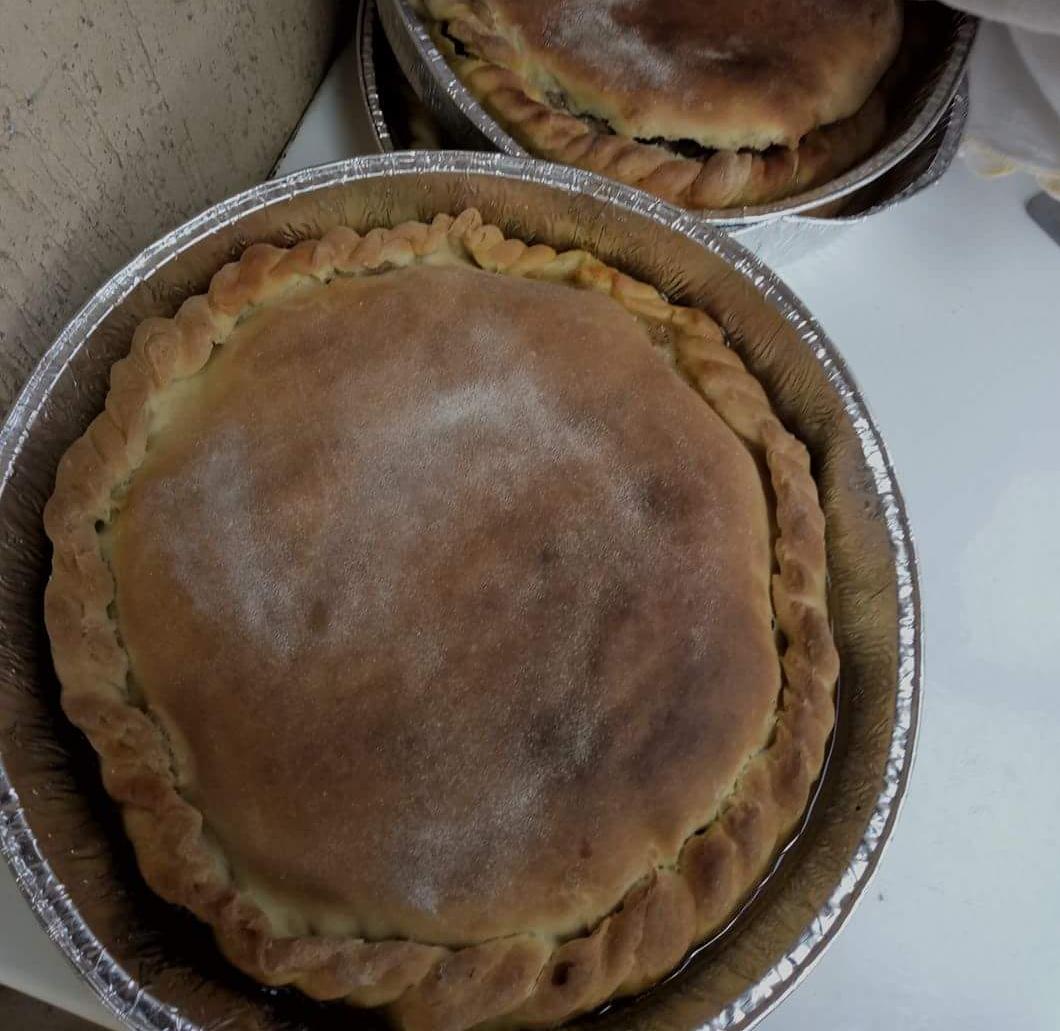
Ragusa eats from its plateau: the Hyblaean hills are Sicily's dairy heartland, and the table runs on the Modicana cow, the wheat fields and the pork butcher. The emblem is the scaccia — Ragusa's folded flatbread, rolled thin, layered and folded over tomato and Ragusano cheese, or onion, or ricotta and sausage, baked until the edges crisp: every bakery in Ibla and Superiore keeps its own fold and its own partisan queue, and the scacce appear at every festa and Christmas table in savoury procession. Beside it, the pasta course carries the local paradox: ravioli di ricotta con sugo di maiale — ravioli filled with sweetened cow's ricotta, dressed in a deep pork ragù, the sweet and the savoury in one deliberate mouthful that defines Ragusa cooking; and cavati (the Hyblaean gnocchi shape), hand-rolled, under the same pork sauce. The cheese behind half of it is Ragusano DOP — the great caciocavallo of the Modicana breed, brine-salted and aged in hanging pairs, eaten shaved over pasta, cubed with the aperitivo, and melted into the scaccia itself.
At the top of the register, Ibla holds one of Sicily's destination tables: Duomo, Ciccio Sultano's two-Michelin-star restaurant inside Palazzo La Rocca, which re-reads this farmhouse canon (his "Spaghetti Taratata" and the black-pig and ricotta courses are essays in the local larder); and Locanda Don Serafino, starred in its turn, dining in the vaulted stables of a palazzo below the duomo. The town's everyday trattorias in Ibla and across in Superiore serve the canon straight — pork in all its forms (the Hyblaean butchers are famous; sausage with wild fennel, salsiccia al ragù), fava beans in spring (the fava cottora of Modica), and the sweets that end every meal here: cannoli made with the local cow's ricotta (lighter than the sheep's-milk west), cassatelle, and — fifteen minutes away in Modica — the cold-processed chocolate of the Cioccolato di Modica IGP, ground with sugar at low temperature so the crystals stay gritty, as the Aztec method the Spanish brought never melted away (Antica Dolceria Bonajuto, working since 1880, is its temple).
The drinks follow the farm: the olive oil first — Olio Monte Iblei DOP, pressed from the Tonda Iblea olive on the plateau's terraces, peppery and green, tasted at the frantoi in Chiaramonte Gulfi's oil country — then the wines of the Vittoria plain at the province's western edge (the Cerasuolo's own country, given its full answer separately), carob and almond sweets from the Hyblaean groves, and the amaro to close. Order the ravioli even if the combination alarms you. It is the plate Ragusa would use to explain itself, and one forkful does.
Picture the place
A Superiore bakery at noon: trays of scacce coming out blistered and folded, a queue of office workers and grandmothers, and the smell of tomato and hot olive oil rolling into the street.
The easily missed detail
The ricotta ravioli's sweetness is not an accident or a modern twist — it is a survival. Sugar in the savoury course was the Arab-Sicilian court's grammar (the same court that gave Palermo cassata), and Ragusa's farmhouse kitchens kept what the capitals dropped: ricotta sweetened with sugar and a whisper of cinnamon, married to the pork sauce of the winter pig-kill. The locals judge a cook by the balance — too sweet is dessert, too shy is fear. Ask for them "come si deve," as they should be, and the kitchen will know a serious person has arrived.
A practical rhythm
- Scacce at noon, canon at night — The bakeries sell out of the best folds by lunch; the ravioli and cavati are the trattoria evening
- Book Duomo far ahead — Sultano's room is small and famous; the trattorias of Ibla carry the trip if it is full
- Modica for the sweet run — Chocolate in the morning (Bonajuto opens early), before the town's Baroque afternoon
What could complicate the plan
Ragusa's two halves are a physical constraint before they are a culinary one: Ibla lies below the modern Superiore, the walk between them is a long flight of steps down and back up, and a bakery breakfast up top with a palace dinner below is a decision about legs and taxis as much as about menus. The destination dining room is the scarcity — a small room in a palazzo carrying 2 stars takes bookings long in advance, and the alternative on the night is the trattoria canon, which is no hardship but is not the same evening. The chocolate run compounds it, because the cold-worked chocolate is made 15 minutes away in Modica rather than in Ragusa, so the sweet half of this answer is a separate half-day with its own drive.
What to do next
Buy scacce warm from a Superiore bakery tomorrow, book the Ibla dinner tonight, and order the ricotta ravioli without negotiation.
Sources
- Consorzio di Tutela del Ragusano DOP — the Modicana-breed caciocavallo: production, ageing and use
- Michelin Guide — Duomo (Ciccio Sultano), Ragusa Ibla, two stars; Locanda Don Serafino
- Consorzio Cioccolato di Modica IGP — the cold-processed chocolate and Antica Dolceria Bonajuto (1880)
- Comune di Ragusa / Hyblaean producers — Olio Monte Iblei DOP (Tonda Iblea) and the scacce tradition