Rwanda country guide Places and experiences
What should a first-time traveler see in Rwanda beyond the obvious highlights?
The short answer
Visit Nyungwe Forest, Akagera National Park, Lake Kivu and Kigali alongside the Virunga volcanoes; together they show how Rwanda changes from montane rainforest to eastern savanna.
The answer, with local context
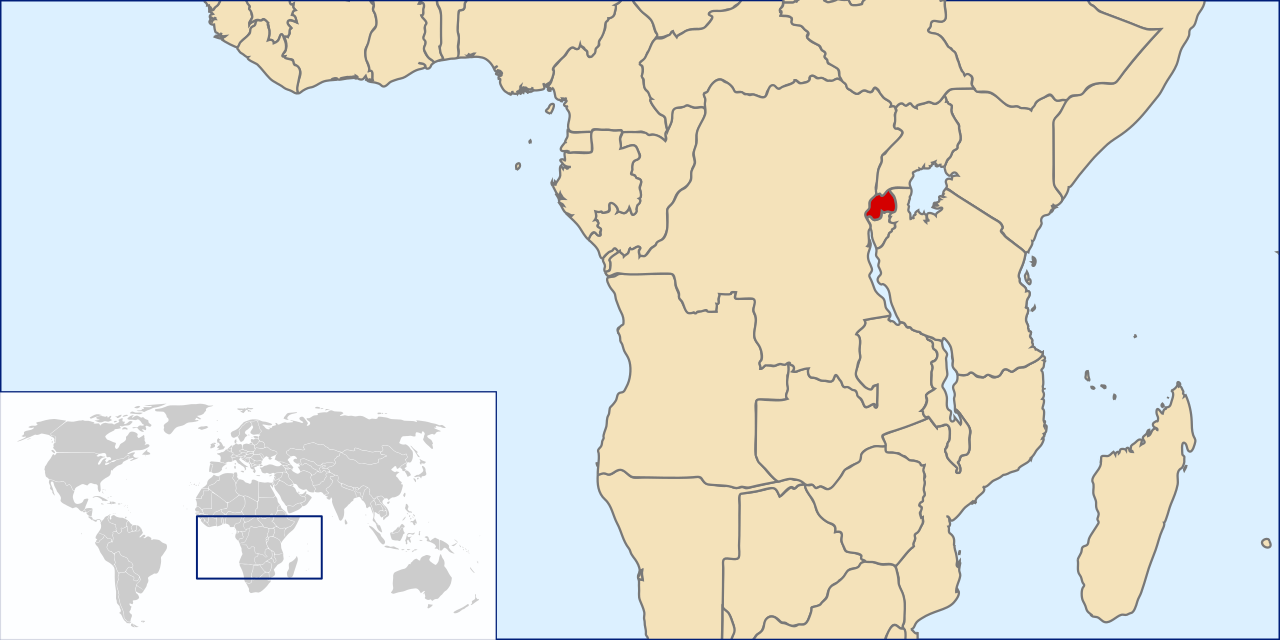
The biggest surprise for a first-time visitor can be Nyungwe in the southwest. Rwanda’s destination information describes a forest canopy walkway with three suspended bridge sections rising as much as roughly 70 meters above the forest floor. The park is known for primates, including chimpanzees, and for birdlife. It is a very different environment from the cultivated foothills of Volcanoes National Park; a Nyungwe excursion needs its own travel time and activity arrangements. Scale is the part that surprises first-time visitors: the Rwanda Development Board puts the park at 101,900 hectares, the largest remaining block of natural forest in the region, and counts 322 bird species and some 200 identified orchid species within it. UNESCO inscribed Nyungwe on 19 September 2023, making it the first Rwandan property on the World Heritage List.
Akagera, on the eastern side of Rwanda, provides savanna, lake and wetland landscapes and a conventional safari-oriented itinerary. That eastern ecosystem contrasts with the cool Virunga mountains. Lake Kivu adds a western lakeshore setting, with towns such as Rubavu and Karongi providing potential breaks between wildlife or forest legs. Kigali should not be reduced to a transfer terminal: it is the capital and a useful place to explore Rwanda’s contemporary cultural and coffee scene.
Climate helps structure the loop. Visit Rwanda describes two wetter periods, mid-February–May and mid-September–mid-December, separated by a main dry period June–mid-September. The country’s elevation means the colder mountains and warmer lowland areas call for different clothing. Moving from the eastern savanna to Nyungwe without accounting for terrain and road travel is more strenuous than the map initially suggests.
Picture the place
Nyungwe’s dense canopy hides the sky, while the eastern Akagera landscape opens into grassland and water, and Lake Kivu adds broad western lake views.
The easily missed detail
Nyungwe’s aerial walkway is not the same activity as chimpanzee tracking. They have different logistical and permit implications, even though both take place in the same forest destination.
A practical rhythm
- Kigali — Include a real city day for museums, markets or a coffee stop.
- Forest leg — Stay near Nyungwe and choose a specific activity such as a canopy walk or permitted primate trek.
- Wildlife leg — Allocate separate time for Akagera rather than presenting it as part of the gorilla excursion.
What could complicate the plan
Activity permits, staffing and opening arrangements differ across parks. Mountain roads take time, and visitors who book a gorilla permit must not risk missing its fixed early briefing because of a long overnight transfer.
What to do next
explains the gorilla-focused seasonal choice; shows how to distribute nights across these distinct regions.
Sources
- Rwanda Development Board, gorilla booking — permit, briefing, duration, age and group limits
- Visit Rwanda, national tourism authority — rain seasons and altitude-dependent climate
- UN Tourism, Rwanda gastronomy — isombe, plantains, coffee and tea
- Visit Rwanda — tracking terrain and equipment
- Rwanda Development Board, Nyungwe National Park inscribed on the UNESCO World Heritage List — the park's 101,900 hectares, 322 bird species, roughly 200 orchid species and the 19 September 2023 inscription as Rwanda's first World Heritage property
- U.S. State Department — visa and entry requirements