Saint Lucia country guide Food and drink
What local dishes should I try in Saint Lucia, and where should I look for them?
The short answer
Green fig and saltfish, the national dish — unripe bananas boiled with salt-cured cod, which the Saint Lucia Tourism Authority names as the signature meal to have on the island.
The answer, with local context
The Tourism Authority's culinary pages set out a Creole cuisine that blends African, French and Caribbean influences, and name the dishes worth hunting: callaloo soup, bouyon, breadfruit, cassava preparations, fried fish cakes with mango salsa, fried plantains, saltfish breakfasts and traditional bakes. Cocoa belongs on that list too — the Authority describes cacao grown in volcanic soil, and artisanal chocolate and rum as part of the island's culinary tradition, with cooking experiences that include cocoa farm visits and chocolate-making sessions.
The fishery behind the saltfish and the fresh fish is partly a wetland story. Ramsar's listing for Mankòtè Mangrove in the Vieux Fort district records the site as a nursery for the local fishery, with local communities carrying out subsistence fishing and charcoal production there. One of its co-managers is the Aupicon Charcoal and Agricultural Producers Group — a producers' body, not a conservation NGO, which is a direct link between a protected wetland and what reaches a southern table.
Timing can be tied to the Creole calendar rather than to a restaurant guide. In 2026 the Tourism Authority's listings put the launch of Kwéyòl Heritage Month at Laborie Market on 30 September, the Creole Queen Pageant at the National Cultural Centre on 10 October, the Fèsten Jwé traditional games festival at Corinth Playing Field on 11 October, and Jounen Kwéyòl on 25 October across La Clery Playing Field, La Caye, Dennery South and Vieux Fort. October is the month when Creole food and Creole language are publicly on display together.
The easily missed detail
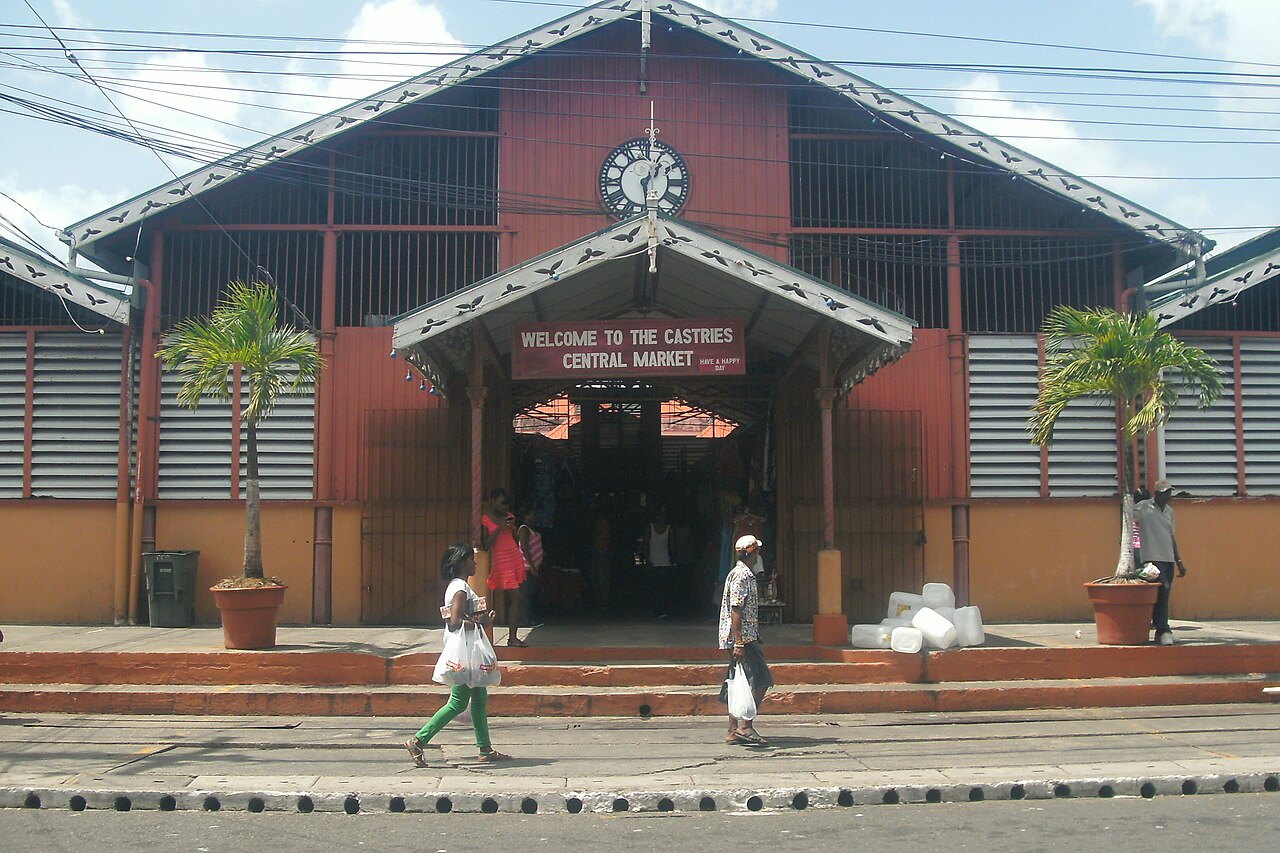
Cooking classes here often start before the kitchen. The Tourism Authority notes that classes frequently open with a market or garden visit, and run in hotels, beachfront restaurants and private homes — so the useful version of a Saint Lucian food day is one that begins at Castries Market in the morning rather than at a stove in the afternoon.
A practical rhythm
- Breakfast — Saltfish appears at breakfast as well as in the national dish; it is not only an evening preparation.
- Market first — A class or a cook who starts with the market is buying what actually landed, which on a small island changes week to week.
- Late October — Jounen Kwéyòl ran across 4 locations in 2026, which is when Creole cooking is most visible outside private homes.
What could complicate the plan
Customs rules are strict in both directions. The FCDO records that Saint Lucia enforces tight controls on goods brought in or taken out, and that anything prohibited or subject to tax or duty must be declared, with the Saint Lucia Customs service as the reference point. For wetland-sourced food, the Mankòtè listing's own data dates from 2002, so the harvesting and charcoal arrangements described there may have shifted. The Creole heritage dates move with the calendar year rather than sitting on fixed dates.
What to do next
The Saint Lucia trip-planning answer covers the 6-week stay limit and the arrival paperwork; the places answer has the Mankòtè designation detail and the island's protected-area picture.
Sources
- Saint Lucia Tourism Authority, Culinary — national dish and its ingredients, named dishes, cocoa and rum, cooking-class structure, Castries Market advice, 2026 Kwéyòl Heritage Month dates and venues
- Ramsar Sites Information Service, Mankòtè Mangrove — fishery nursery function, subsistence fishing and charcoal production, Aupicon Charcoal and Agricultural Producers Group, 2002 data vintage
- UK Foreign, Commonwealth and Development Office, St Lucia entry requirements — customs declaration rules and Saint Lucia Customs