Saint Lucia country guide Places and experiences
What should a first-time traveler see in Saint Lucia beyond the obvious highlights?
The short answer
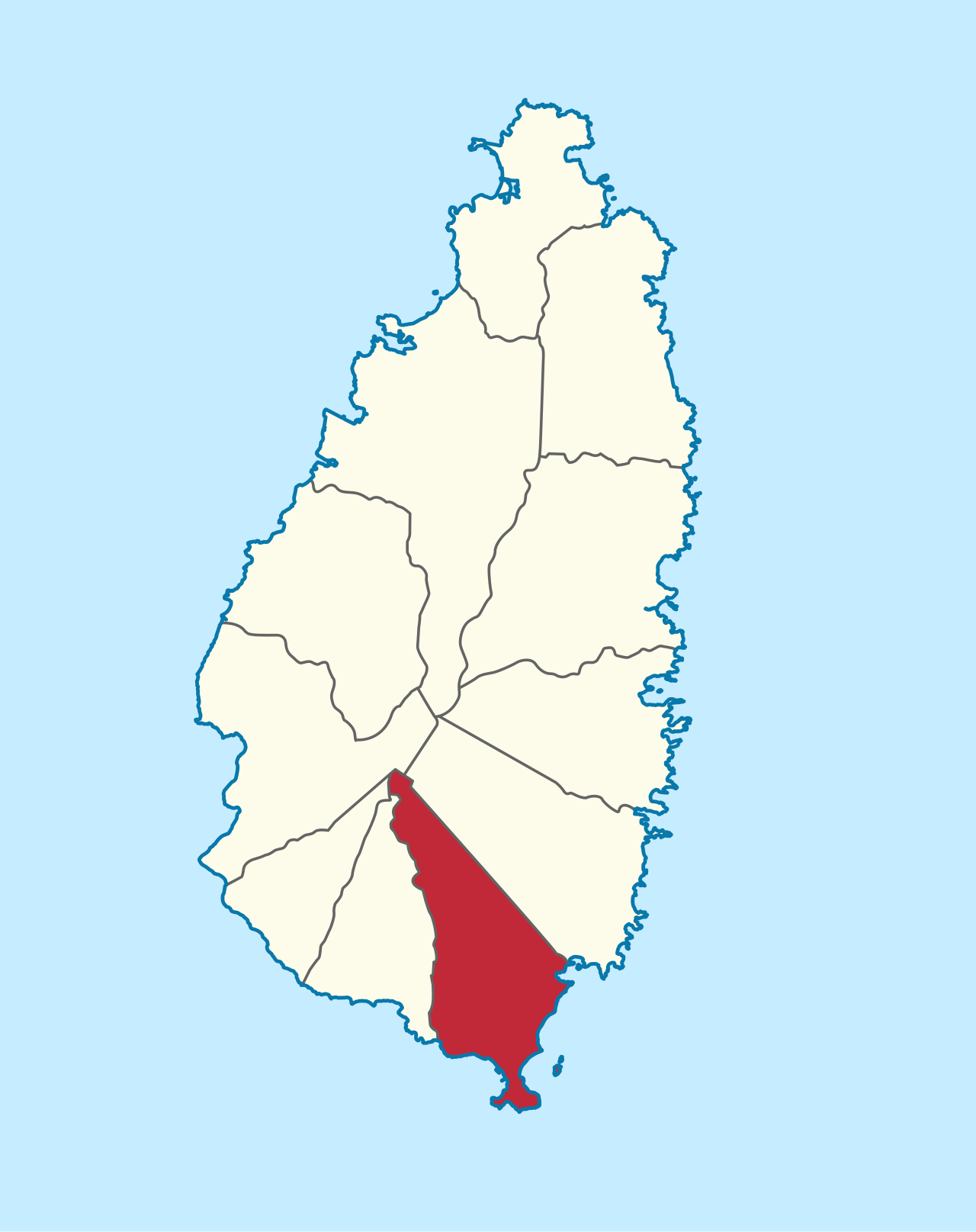
Mankòtè Mangrove in the Vieux Fort district — Ramsar site number 1170, designated on 19 February 2002, and described in its own listing as the largest contiguous wetland area in Saint Lucia.
The answer, with local context
Mankòtè is small and significant at once. The Ramsar listing gives it 60 hectares, about 148 acres, and records a national designation as a Marine Reserve, with the site having been proposed for National Park status. Management is shared rather than governmental alone: the Departments of Fisheries and Forestry co-manage it alongside the Caribbean Natural Resources Institute and a local producers' group, and birdwatching is being actively promoted there. The most recent Ramsar Information Sheet data for the site dates from 2002, so the designation facts are firm while the activity picture is two decades behind.
The wider protected landscape is thinner than most Caribbean islands can claim on paper. Saint Lucia has 1 World Heritage property and 0 Tentative List entries, which means there is no second nominated site drawing visitor attention away from the southwest. That concentration is visible in IUCN's threat assessment for the Pitons, which rates invasive plant species and possible future geothermal energy development nearby as low threats alongside the heavier pressures — a reminder that the island's protected areas sit inside a working, developing landscape rather than apart from it.
In the capital, the obvious counterweight to the southwest is the market. The Saint Lucia Tourism Authority recommends Castries Market in the morning as where Saint Lucians actually shop, and names Laborie Market in the south as a venue in the national Creole heritage calendar rather than only a produce stall.
The easily missed detail
Mankòtè's value is partly industrial history. Its listing records that management practices have reduced the threat from uncontrolled mangrove wood harvesting — meaning the wetland you can visit today exists because a harvesting pattern was changed, not because the area was never used. That is a different kind of conservation story from a fenced national park, and it is the reason a 148-acre wetland earns an international designation.
A practical rhythm
- Vieux Fort — Mankòtè sits in the southern district; a 60-hectare wetland is a morning, not a day, and it pairs naturally with the south coast.
- Castries, early — The Tourism Authority's own advice is to go to the market in the morning; it is a working market first.
- Laborie — The southern coastal village appears on the national Creole heritage calendar, which makes it a different kind of stop from a scenic one.
What could complicate the plan
Saint Lucia's protected sites are not uniformly ticketed, staffed or signposted, and Mankòtè's co-management arrangement means access arrangements run through several bodies rather than one gate. The 2002 vintage of the site's information sheet means facilities described there may have changed. More broadly, the FCDO notes that the border officer must stamp your passport, because stamps are what the authorities use to check length of stay — so an unstamped arrival creates a problem for any extension of a southern-island itinerary.
What to do next
For the Pitons themselves and the coolest months to climb them, see the Saint Lucia when-to-visit answer; the food question covers green fig and saltfish and October's Kwéyòl programming.
Sources
- Ramsar Sites Information Service, Mankòtè Mangrove — Ramsar site number, designation date, area, Vieux Fort location, Marine Reserve designation, largest contiguous wetland statement, co-management bodies, National Park proposal, birdwatching promotion, mangrove harvesting reduction, 2002 data vintage
- UNESCO World Heritage Centre, Saint Lucia States Parties page — inscribed count and absence of Tentative List entries
- IUCN World Heritage Outlook, Pitons Management Area — invasive species and geothermal development threat ratings
- Saint Lucia Tourism Authority, Culinary — Castries Market and Laborie Market
- UK Foreign, Commonwealth and Development Office, St Lucia entry requirements — passport stamping and length-of-stay checks