Salvador Bahia / Brazil Things to do
What are the most worthwhile things to do in Salvador Bahia on a first visit?
The short answer
Spend the first day inside the 78.28-hectare (193-acre) historic center UNESCO inscribed in 1985 under cultural criteria (iv) and (vi).
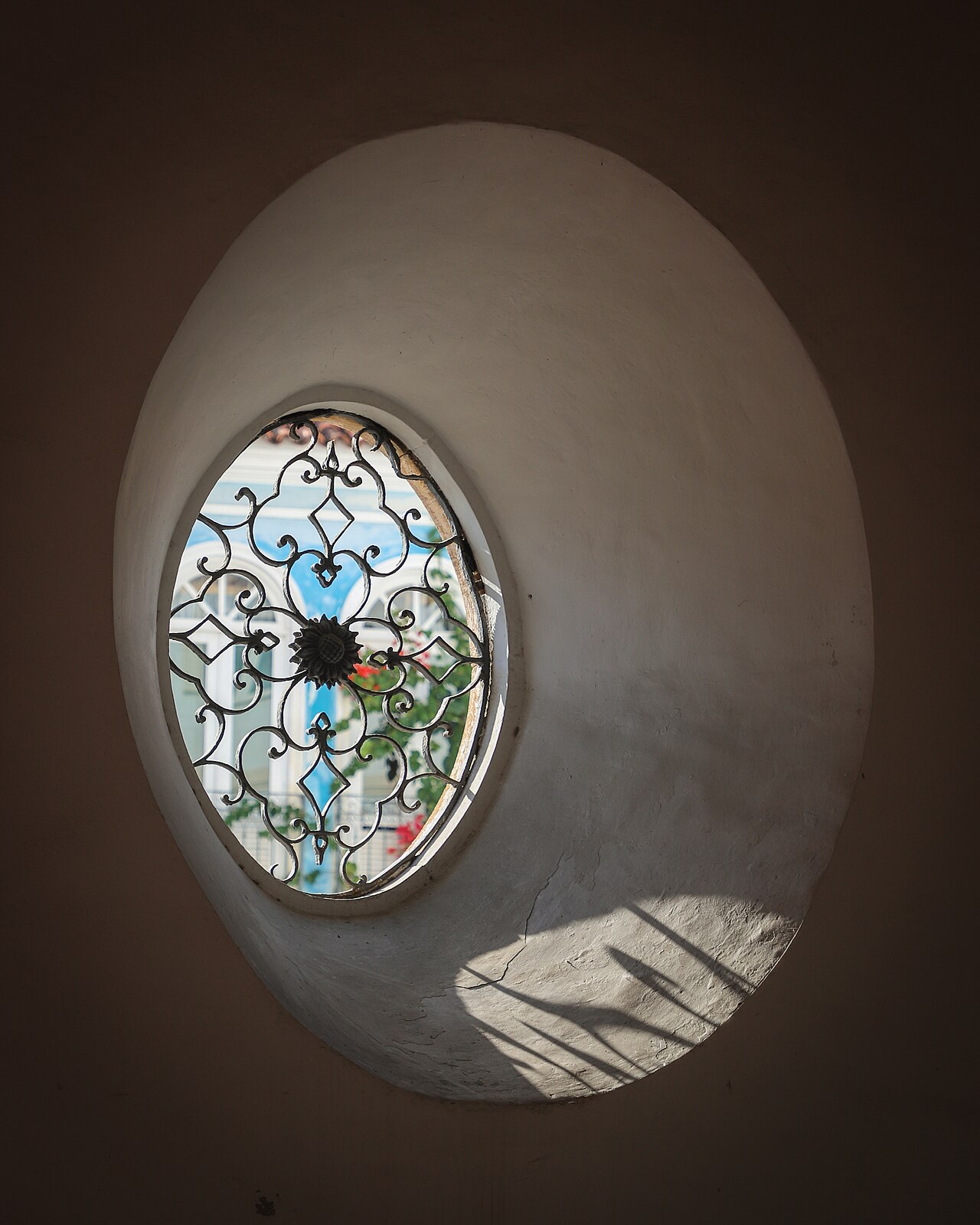
The answer, with local context
Salvador was founded in 1549 and served as the capital of Portuguese America until 1763, and the inscription recognizes criterion (iv) for its Renaissance-style urban planning adapted to a colonial site — an upper defensive and residential town placed above a commercial lower one. Criterion (vi) covers something harder to see from a street corner: the convergence of European, African and American Indian cultures here between the 16th and 18th centuries, and the city's place in the history of world exploration. The buildings you walk past date mainly from the 17th to the 19th centuries.
The inscription also records a demographic fact that explains the district's atmosphere. The historic center's resident population fell from 9,853 in 1980 to 3,235 in 2000, and about 1,350 properties in the Pelourinho district were restored during the 1990s. What you see is a restored quarter that lost two-thirds of the people who lived in it over 2 decades.
The living heritage is listed separately and is worth planning around. UNESCO inscribed the Capoeira circle on the Representative List in 2014, at the Committee's 9th session, as element No. 00892 under decision 9.COM 10.8, which describes it as "A celebration born out of resistance against all forms of oppression." The same decision records that Brazil had already entered the element in its own Book of Expressive Forms and recognized it as Cultural Heritage of Brazil in 2008, with IPHAN required to update the inventory at least every 10 years.
Beyond the city, IPHAN's Bahia superintendency runs safeguarding work for the Samba de Roda of the Recôncavo Baiano across 26 municipalities in that region — the hinterland of sugar towns behind the bay, and the place the music actually comes from.
Picture the place
The city's plan is a defensive idea you can still read from the ground: a residential and administrative town set on the heights, a working port town below it, and an escarpment between the 2 — exactly the arrangement UNESCO cites under criterion (iv), with 17th to 19th-century buildings filling both levels.
The easily missed detail
Criterion (vi) is the one most visitors miss, and it is the reason the intangible listings matter as much as the architecture. The capoeira roda was recognized nationally in 2008 and internationally in 2014, and the decision inscribing it names its safeguarding as IPHAN's responsibility with community participation. Seeing a roda is therefore not a sideshow to the World Heritage visit; it is the part of the inscription that criterion (vi) was written for.
A practical rhythm
- Day one, 78.28 hectares — The inscribed area is small enough to walk and dense enough to fill a day.
- Day two, the roda — Element No. 00892 was inscribed in 2014 and nationally recognized in 2008; it is a scheduled practice, not a street performance.
- Day three, the Recôncavo — IPHAN's samba de roda safeguarding covers 26 municipalities behind the bay, which is where to go if you want the music at source.
What could complicate the plan
The US Department of State designates favelas, vilas, comunidades and conglomerados as Level 4 "Do Not Travel" areas at any time, and states explicitly that this includes guided tours — advice that rules out a category of excursion widely sold to visitors. It also designates as Level 4 anywhere within 160 km (100 miles) of Brazil's land borders with Bolivia, Colombia, Guyana, French Guiana, Paraguay, Peru, Suriname and Venezuela, excepting Foz do Iguaçu and the Pantanal national parks, which matters if Salvador is one stop on a longer route. Inside the historic center, UNESCO's own record of a population falling to 3,235 by 2000 is a reminder that parts of the quarter are more restored than inhabited, and that activity is concentrated rather than spread.
What to do next
The Salvador Bahia food answer in this group covers the Ofício das Baianas de Acarajé, the registered practice that supplies the district's street food, and the when-to-visit answer gives the rainfall figures that decide which months the climb is comfortable.
Sources
- UNESCO World Heritage Centre — the 1985 inscription under criteria (iv) and (vi), the 78.28-hectare area, the 1549 founding and 1763 end of capital status, the criterion texts, the 17th to 19th-century building stock, the population fall from 9,853 to 3,235 and the 1,350 restored Pelourinho properties
- UNESCO Intergovernmental Committee for the Safeguarding of the Intangible Cultural Heritage, Decision 9.COM 10.8 — the Capoeira circle, element No. 00892, inscribed 2014 at the 9th session, the quoted finding, the 2008 national recognition and the 10-year inventory requirement
- IPHAN, Superintendência da Bahia — samba de roda safeguarding across 26 municipalities of the Recôncavo
- US Department of State, Brazil Travel Advisory — the Level 4 designation for informal housing developments including guided tours, and the 160 km border-zone designation