Serengeti / Tanzania When to visit
When should I visit Serengeti, Tanzania, for the best experience?
The short answer
June to October, the dry season — and whichever month you pick, Tanzania National Parks sets the frame of the day: gates run 06:00 to 18:00, and driving inside the park is prohibited between 19:00 and 06:00.
The answer, with local context
TANAPA divides the Serengeti year into a dry season from May to October and a rain season from November to April. In the dry months the grass is short, water is scarce and game concentrates where water is not — which is the condition that makes the park famous. In the rains the plains green up, the herds move south onto the short-grass plains to calve, and some tracks become impassable.
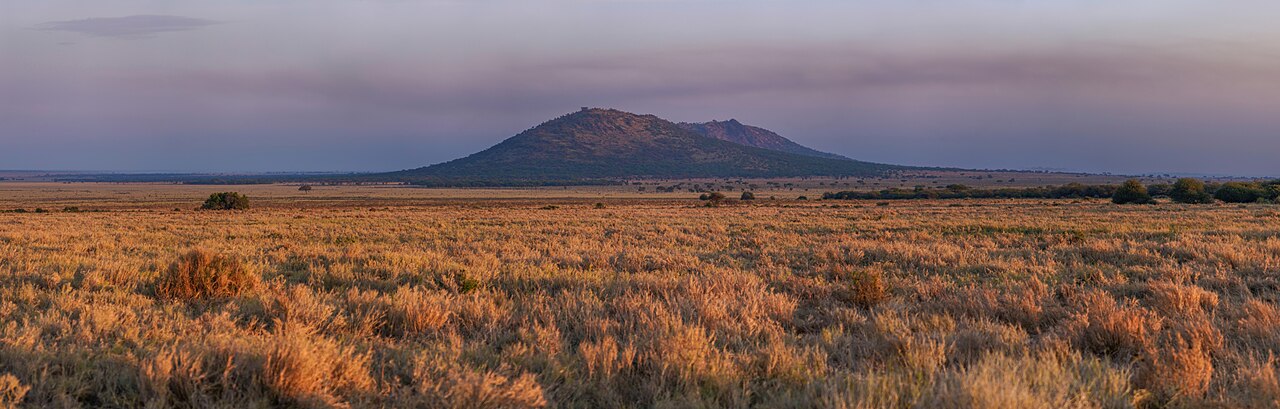
The scale behind that is worth holding in mind when you choose dates. UNESCO inscribed Serengeti National Park in 1981 under criteria (vii) and (x), describing about 1.5 million hectares of savannah, with treeless, nearly flat grassland plains covering roughly 25,000 square kilometers, broken by rocky outcrops called kopjes, rivers and woodlands. Crossing that in a vehicle inside a 06:00-to-18:00 window is the real constraint on an itinerary.
The entrance fee is the one published figure to check rather than assume, because TANAPA's own documents do not agree. One published tariff sets USD 70 per non-resident adult per day in peak season, defined as 16 May to 14 March, and USD 60 in low season, 15 March to 15 May. Another TANAPA publication states USD 60 per non-resident visitor aged 16 and above, exclusive of 18 percent VAT, with no seasonal split at all. Confirm which schedule your operator is billing against before you budget the park days.
Water is the hinge of the dry season. UNESCO's assessment notes that surface water is scarce in dry years because only the Mara River flows year-round across the ecosystem, and that it faces cross-boundary pressures. That is why June to October works: the animals have fewer choices about where to be.
Picture the place
The short-grass plains in the dry season are genuinely treeless for miles, so the kopjes — granite outcrops rising straight out of the grass — become the only vertical features in the landscape, and the only shade. Sunrise comes fast this close to the equator, and the gates open at 06:00 for a reason: the light and the animals are both at their best in the first ninety minutes.
The easily missed detail
The 19:00-to-06:00 driving prohibition means night drives are not a Serengeti option inside the national park, however much a brochure implies otherwise. If spotlit night game viewing matters to you, it has to come from a stay in an adjoining concession or conservation area where different rules apply — a decision made when you book, not on arrival.
A practical rhythm
- 06:00 — Through the gate as it opens; the first hours are the coolest and the most productive.
- Middle of the day — Back to camp or a picnic site; across 25,000 square kilometers of open plain there is no shade to drive to.
- Before 18:00 — Gates close, and the driving ban starts at 19:00, so the afternoon drive has a hard end.
What could complicate the plan
The US Department of State placed Tanzania at Level 3, Reconsider Travel, in an advisory dated 31 October 2025. The CDC lists Global Polio at Level 2, Practice Enhanced Precautions, with Tanzania including Zanzibar named as an affected destination. UNESCO records management concerns for the property including poaching, tourism pressure, wildfires and limited resource monitoring, plus a planned transport route that could divide the wider ecosystem. Rain-season tracks on black-cotton soil can strand vehicles, and the fee conflict above means the park component of a quote may be understated.
What to do next
The things-to-do question in this group covers what the park's wildlife listing actually promises and what it does not. For meals and camp logistics, see the food and drink question.
Sources
- Tanzania National Parks, Serengeti information — gate hours, night driving prohibition, dry and rain season dates, conservation fee and VAT
- Tanzania National Parks tariff schedule — peak and low season fee bands and their dates
- UNESCO World Heritage Centre, Serengeti National Park — inscription year and criteria, property area, plains extent, kopjes, Mara River, management threats
- US Department of State, Tanzania travel advisory — advisory level and date
- US Centers for Disease Control and Prevention, Global Polio notice — notice level and Tanzania's listing