Serengeti / Tanzania Food and drink
Where should I eat in Serengeti, and which local food or drink is worth trying?
The short answer
Every meal comes from a camp, a lodge or a picnic box — there are no restaurants inside the park and driving is prohibited between 19:00 and 06:00, so dinner happens wherever you are sleeping, and the Tanzanian food worth asking for is ugali with nyama choma, mchuzi and chipsi mayai.
The answer, with local context
The driving ban sets the shape of the day's eating more firmly than any menu. With no movement permitted from 19:00 to 06:00, you are at camp before dark and not leaving it until dawn, which means dinner is a long, fixed event and breakfast is frequently taken in two parts — something before the gate, something substantial brought out mid-morning.
Distance does the rest. The property covers about 1.5 million hectares and its plains alone run to roughly 25,000 square kilometers, so a day's drive can put you hours from your kitchen. The packed box is not a quaint tradition here; it is the only option.
Tanzanian food is worth asking for by name, because camp kitchens default to international menus for guests. Ugali, the stiff maize-flour staple, is the base; mchuzi is the general word for the stew served with it; nyama choma is charcoal-grilled meat; mshikaki are marinated skewers; chipsi mayai is a chip omelette, and it is genuinely national. Mandazi, a lightly spiced fried dough, is the breakfast or tea-time bread. Chai is brewed with the milk in the pot and often with ginger or cardamom.
The Swahili coast's influence reaches inland through spice. Zanzibar's cloves, cardamom and black pepper are the reason a pilau in Tanzania tastes different from a pilaf anywhere else, and a camp that cooks pilau or biryani properly is cooking something regional rather than something generic.
Picture the place
Camps on the plains cook on gas and charcoal and eat under canvas or in the open, and because there is no ambient light for a hundred miles in any direction, dinner is taken under a sky bright enough to see the table by. The 19:00 driving ban means the sound at dinner is whatever is moving outside the camp, not vehicles.
The easily missed detail
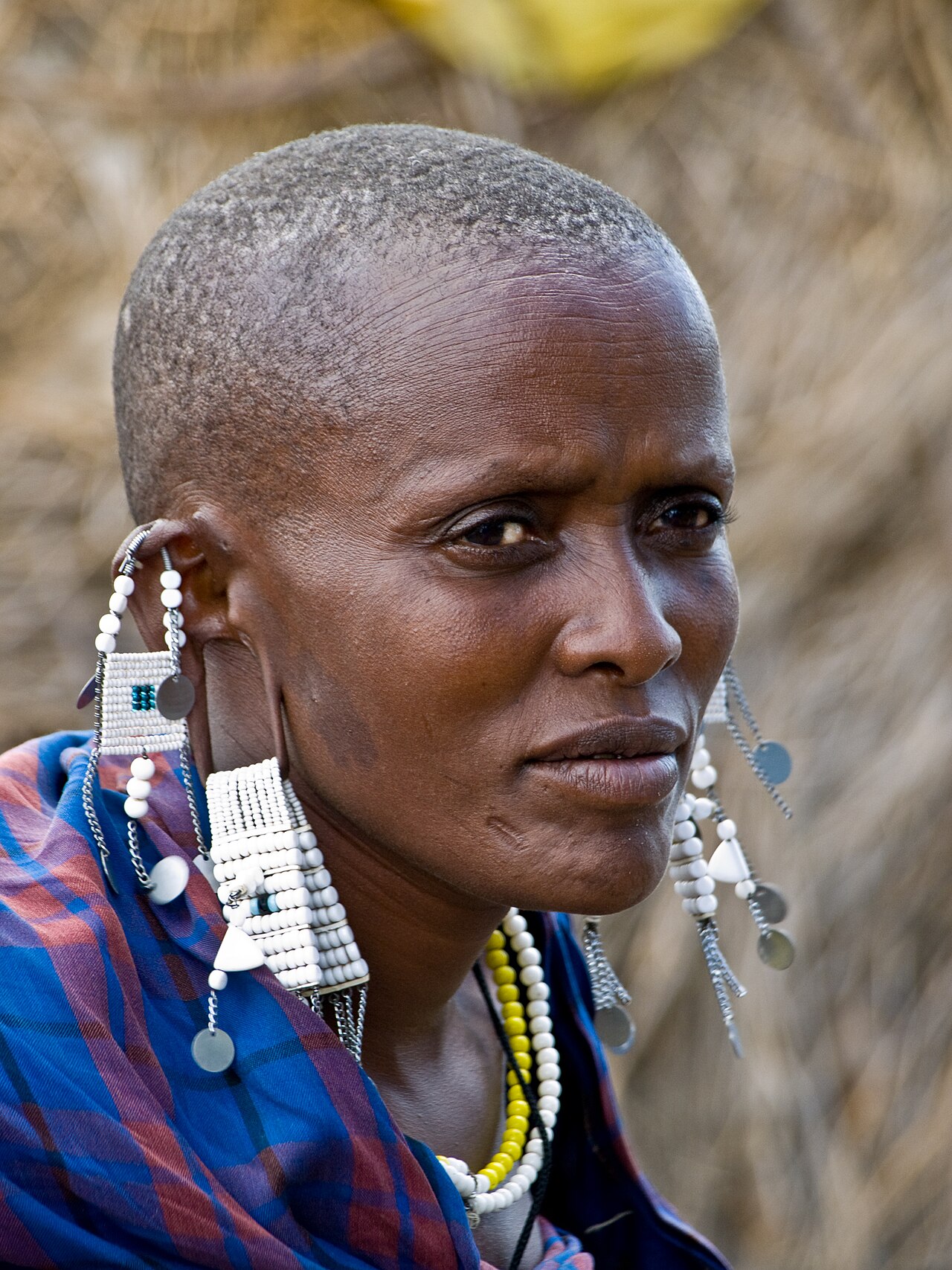
Maasai pastoralists live across this ecosystem, and their food culture is built on cattle, not crops: milk, and traditionally blood and meat, rather than the maize that dominates Tanzanian cooking elsewhere. A camp-arranged visit to a Maasai homestead is a different proposition from a camp dinner, and it is where the distinction between herding food and farming food becomes concrete.
A practical rhythm
- 05:30 — Tea and something quick; the park's gates open at 06:00 and the vehicle leaves with the light.
- Mid-morning — The packed brunch, set up in the shade of a kopje, since the plains are treeless for miles.
- After 19:00 — Dinner at camp, because driving is prohibited until 06:00 and nobody is going anywhere.
What could complicate the plan
The CDC's Global Polio notice stands at Level 2, Practice Enhanced Precautions, with Tanzania including Zanzibar listed as an affected destination, which is a vaccination matter rather than a dietary one but belongs in the same planning step. Tanzania sits at Level 3, Reconsider Travel, on the US Department of State's advisory scale as of 31 October 2025. Dietary requirements must be confirmed well ahead, because a camp supplied by road or light aircraft across 1.5 million hectares cannot shop again mid-stay. Water should be bottled or treated; UNESCO notes that surface water in the ecosystem is scarce in dry years, with only the Mara River flowing year-round.
What to do next
The when-to-visit question in this group covers the seasons and the park's gate hours in detail. For the drives themselves and the species to plan around, see the things-to-do question.
Sources
- Tanzania National Parks, Serengeti information — prohibition on driving between 19:00 and 06:00, gate opening at 06:00
- UNESCO World Heritage Centre, Serengeti National Park — property area, extent of the treeless plains, scarcity of year-round surface water
- US Centers for Disease Control and Prevention, Global Polio notice — notice level and affected destinations
- US Department of State, Tanzania travel advisory — advisory level and date