Seychelles country guide Trip planning
How can I plan a memorable first trip to Seychelles without rushing?
The short answer
Allow approximately nine to twelve days for Mahé, Praslin and La Digue, using two or three overnight bases instead of attempting a new island every day.
The answer, with local context
Mahé is the country's largest and most populated island, with Seychelles International Airport and the capital, Victoria. It makes a practical starting point for beaches, markets and mountain walks. Spend roughly three nights here to allow for arrival and an inland excursion.
Praslin, the second-largest island, can be reached from Mahé by ferry or domestic flight. Staying about three nights allows a visit to Vallée de Mai, time on the coastline and potentially an excursion to Curieuse.
La Digue is best experienced slowly. A two- or three-night stay permits exploration of its beach coves, village roads and reserve without turning the island into a hurried ferry excursion. Bicycles are a common way to explore its main settlement areas, although distances and terrain should still shape the day.
Seychelles consists of both granitic and coral islands. The populated inner-island circuit is practical for most first-time visitors, while remote outer islands such as Aldabra operate under entirely different conservation and access conditions.
The difference is one of scale as much as of rules. The Seychelles Islands Foundation places Aldabra more than 1,000 kilometers southwest of Mahé, an atoll roughly 35 kilometers by 15 kilometers enclosing a shallow lagoon of about 200 square kilometers, and charges an impact fee of USD 250 per passenger and crew member per day. Treat that as a separate expedition rather than an add-on to a 10-day inner-island trip.
Picture the place
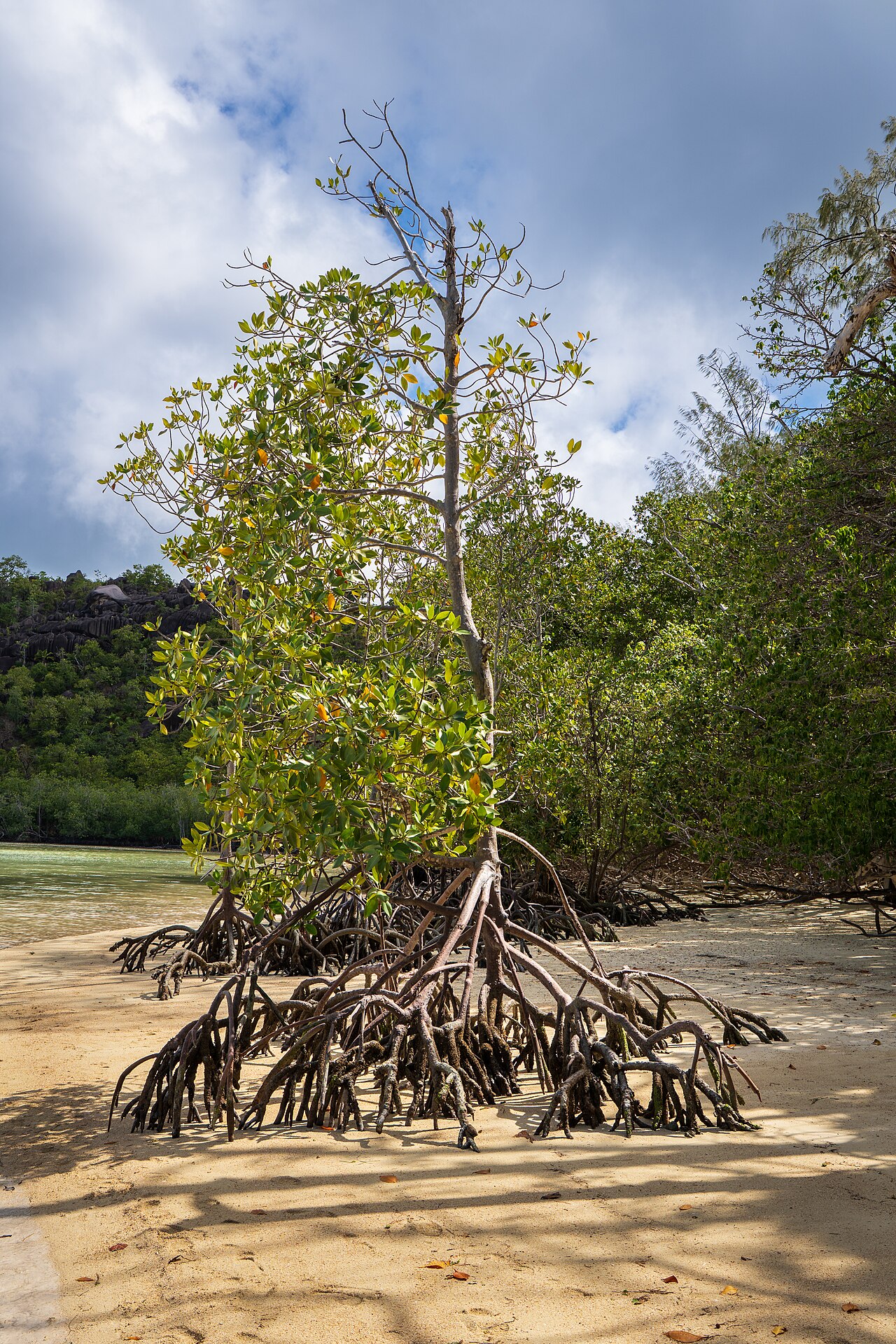
The journey moves from Mahé's forested mountain slopes and busy capital to Praslin's palm-covered interior, then to La Digue's lower coastal roads and remarkable granite formations.
The easily missed detail
Seychelles is visa-free for many visitors but requires an approved Travel Authorization before arrival. This is a separate border requirement from accommodation and ferry reservations.
A practical rhythm
Days 1–3: Mahé, Victoria, a beach area and an inland walk.
Days 4–6: Praslin, Vallée de Mai and a nearby marine-park excursion.
Days 7–10: La Digue, with flexible beach and cultural days before returning for departure.
What could complicate the plan
Ferries depend on sea conditions and schedules, particularly during stronger trade winds. International flights normally use Mahé, so the final inter-island transfer should leave sufficient margin before departure. One more planning detail is easy to miss: the archipelago's long climate record is a fairly short one. NOAA's engineering weather archive gives the Seychelles station at 4.67 degrees south and 55.52 degrees east with a period of record running from 1973 to 1996, so the seasonal averages quoted for these islands rest on that window.
What to do next
For island-specific beach and dining choices, continue with Group 171, beginning at .
Sources
- Tourism Seychelles — island geography and transport context.
- Seychelles Ministry of Foreign Affairs — entry authorization requirement.
- Seychelles Meteorological Authority — sea-season considerations.
- Seychelles Islands Foundation, Aldabra — distance from Mahé, atoll and lagoon dimensions, and the daily impact fee.
- NOAA National Centers for Environmental Information, Engineering Weather Data, Seychelles — station coordinates and period of record.