Stockholm / Sweden Food and drink
Where should I eat in Stockholm, and which local food or drink is worth trying?
The short answer
Fika with a cardamom bun in a proper bakery, meatballs at a Södermalm institution, a smörgåsbord at the Grand Hôtel — and one wood-fired or three-starred dinner to taste what Stockholm did with its own larder.
The answer, with local context
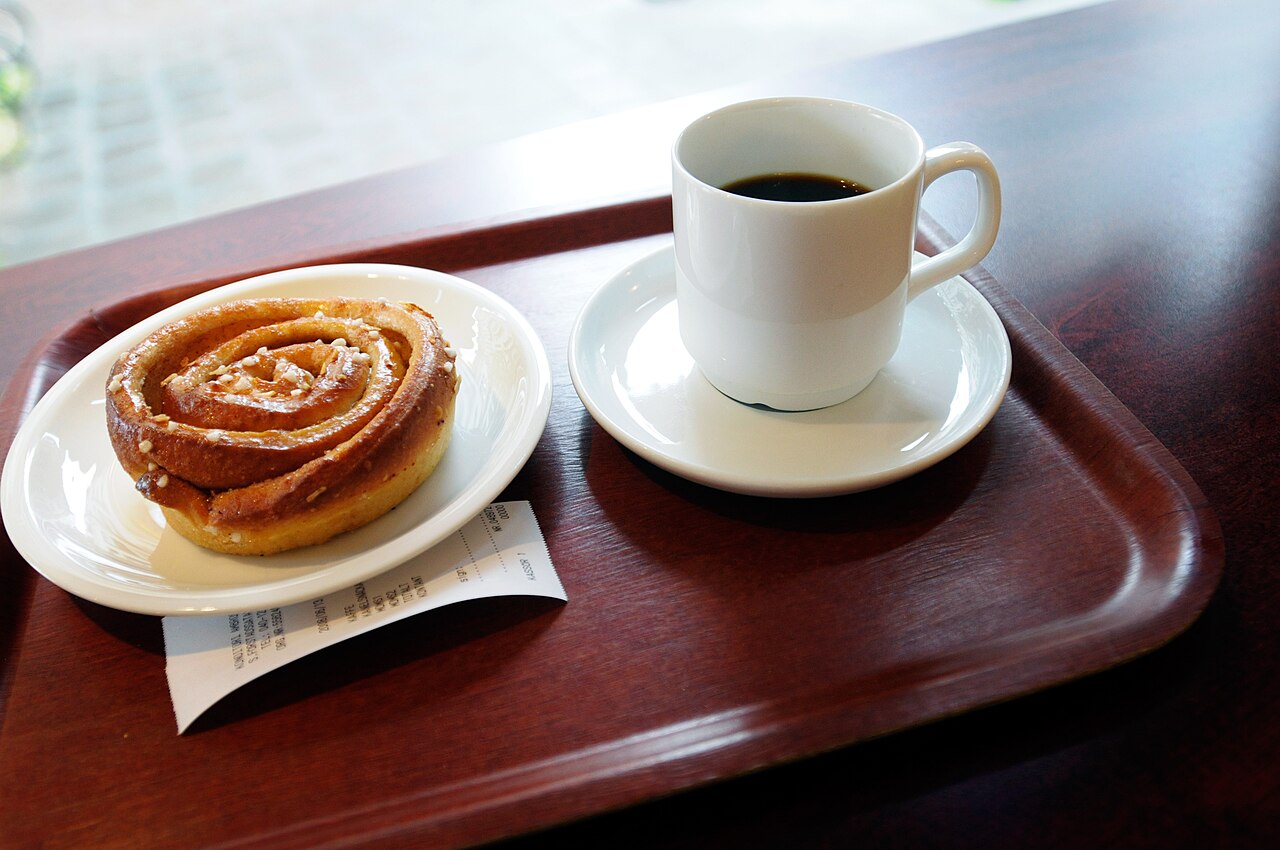
Stockholm eats on a schedule the visitor should honour, and the first appointment is fika: coffee and a bun, taken as a pause with company, ideally twice a day. The city's bun hierarchy runs kanelbulle (cinnamon, pearl-sugar crowned; it gets its own national day, October 4) against the kardemummabulle (cardamom) that Stockholm's bakers have lately elevated to the city's signature — eat both at Lillebrors bageri in Vasastan or Stora Bageriet by the Royal Dramatic Theatre, where the queues are the review. The coffee itself is serious — Swedes are among the world's heaviest coffee drinkers per head — and fika is the social software everything else runs on: to be offered fika is to be offered time.
The canonical lunch is köttbullar: meatballs with cream sauce, lingonberries, pressed cucumber and mash. The dispute is only about the venue — Pelikan, the great Södermalm beer hall (in its 1904 premises), serves them with dark beer and a century of working-city company; Meatballs for the People (also Södermalm) builds a whole menu on the ball's variations (elk, veal, vegetarian); Operakällaren, the grand old dining room of 1895 by the opera house, pours the formal version. Around them the herring canon: pickled herring in its flavour families (mustard, onion, garlic, curry at the daring end), gravlax cured with dill, toast Skagen (prawns in dill mayonnaise on fried bread, created by restaurateur Tore Wretman), and Västerbottensost — the hard, sharp cheese of Burträsk, made only there since 1872, whose recipe legend says a lovesick dairymaid's neglect invented it — baked into the pie that is August's crayfish-party law. For the full ceremonial survey, the smörgåsbord at the Grand Hôtel (served since the 19th century, courses in their strict order: herring, cold fish, cold meats, warm dishes, cheese, dessert) or its Christmas form, the julbord, in December.
The top of the city's table is world-ranked and distinctly Stockholm: Frantzén — Sweden's first three-star restaurant (Michelin's 2018 call), Björn Frantzén's counter-service performance in a Gamla Stan townhouse — books out months ahead; Ekstedt cooks everything over open wood fire (no gas, no electricity in the kitchen) for its star; and the market halls feed the middle register best: Östermalms Saluhall (1888, restored to its brick glory in 2020) for the stalls and their counters (herring at Melanders, the classic dishes at Lisa Elmqvist's fish restaurant), Hötorgshallen for the basement's world-food buzz. Sweet endings follow the calendar: the semla (cardamom bun, almond paste, cream) from January to Fat Tuesday; the green-marzipan prinsesstårta all year; and in August the crayfish party — kräftor, dill crowns, aquavit and singing — which the city's restaurants stage for visitors who lack a Swedish summer house. The aquavit, at least, is available to everyone: spiced snaps (OP Anderson is the 1891 original) at the Systembolaget shops or by the glass — Sweden's state alcohol monopoly keeps shop hours, so a Friday-evening bottle is a Thursday errand.
Picture the place
Pelikan at lunch: dark wood, clinking beer glasses, and a plate of meatballs arriving with lingonberries the color of rubies, while Södermalm talks through the tall windows.
The easily missed detail
The fika has a rule visitors break constantly: it is not coffee-to-go. Ordering a kanelbulle in a paper bag and walking off with it misses the institution's entire function — the sitting, the second cup (påtår, the refill, is a word and a right), the unbilled minutes. The food-ordering corollary is the herring protocol at the smörgåsbord: herring first, always, before any warm dish — mixing the courses reads to a Swedish host the way putting ice in Barolo reads in Piedmont. And the semla has a dissenting service the bakeries all know: hetvägg — the bun served in a bowl of warm milk — the old way, ordered by name.
A practical rhythm
- Fika twice, deliberately — Morning at a bakery (Stora Bageriet), afternoon in Gamla Stan; the bun changes, the institution doesn't
- Book high, lunch low — Frantzén/Ekstedt reserve out; the market halls and Pelikan are the walk-in city's strength
- Systembolaget before Friday — The state shops shut for the weekend's spontaneity; the restaurants pour regardless
What could complicate the plan
Several items in this answer are only available at the right moment of the year. The cream-and-almond bun belongs to January through Lent and disappears afterwards; the crayfish party is an August event the restaurants stage rather than a standing menu; and the cold table's Christmas form is a December thing. The 3-star counter is a months-ahead booking and the wood-fire kitchen is not much easier, so the trip's grand evening has to be fixed before the flights if it matters at all. And alcohol is not a convenience purchase in Sweden: it comes from the state monopoly's shops, which keep shop hours rather than evening ones, so a bottle for Friday night is a weekday errand while licensed restaurants pour as normal.
What to do next
Start with cardamom at Stora Bageriet tomorrow, take the meatballs at Pelikan for lunch, and put the Grand Hôtel smörgåsbord on the trip's grand evening.
Sources
- Michelin Guide — Frantzén (three stars, Sweden's first, from 2018) and Ekstedt (wood-fire kitchen) in Stockholm
- Visit Stockholm — the fika institution, Cinnamon Bun Day (October 4) and the market halls (Östermalms Saluhall, 1888; Hötorgshallen)
- Grand Hôtel Stockholm — the smörgåsbord's ceremonial order and its Christmas form, the julbord
- Västerbottensost (Burträsk) — the protected cheese made only in Burträsk since 1872; the Västerbotten pie of the crayfish season
- Systembolaget — Sweden's state alcohol retail monopoly and its Stockholm stores