Tokyo / Japan When to visit
When should I visit Tokyo, Japan, for the best experience?
The short answer
Late March to mid-May, or November — avoiding October, which is Tokyo's wettest month at 9.24 inches of rain, or 234.8 mm, under the Japan Meteorological Agency's 1991–2020 normals.
The answer, with local context
Tokyo's wettest month is not in the summer rainy season, which surprises most first-time visitors. The JMA normals for the Tokyo station put October at 9.24 inches — a total driven by late-season typhoons and autumn fronts rather than by the June plum rains. That single figure reshapes the standard advice to come in the fall: early November is a very different proposition from mid-October.
Spring and late autumn both sit between the city's two problem seasons. Behind them is a summer that peaks in August, the warmest month of the Tokyo year, and ahead of them a winter that is dry and bright but short on daylight. A trip in late March, April or early May gets mild air and the longest run of dry days in the first half of the year.
Museum calendars sharpen the choice at the year's end. The Tokyo National Museum closes from December 26 to December 31, 2026 for its year-end break, and closes on Mondays through the rest of the year except when a Monday is a holiday — in which case it opens that day and shuts the following one instead. A late-December trip can therefore lose the city's largest collection entirely, on dates that are published well in advance.
Picture the place
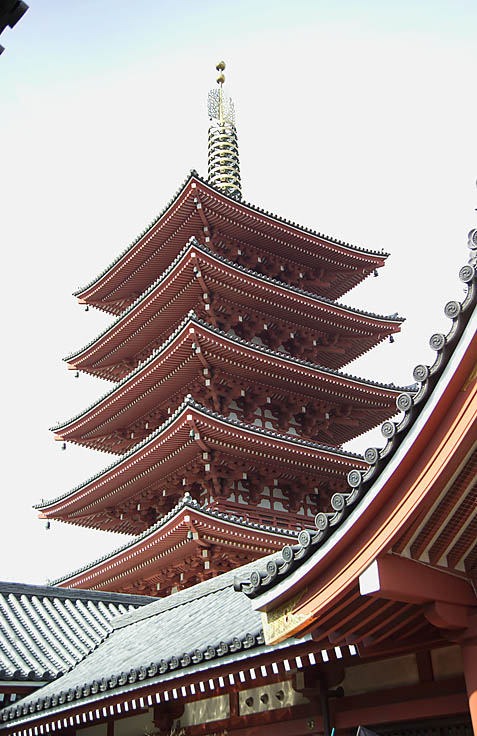
Tokyo sits on a bay at the eastern edge of the Kantō plain, and the city's weather arrives off the Pacific rather than over mountains — which is why autumn rain comes in long systems rather than in afternoon storms, and why October's total is spread rather than concentrated.
The easily missed detail
Japan's holiday-Monday rule does not just move the Tokyo National Museum's closing day; it moves it onto the Tuesday, which is the day a visitor rescheduling around a holiday is most likely to choose. Checking the specific Monday against the holiday calendar is worth more than any general rule about museum closures.
A practical rhythm
- Late March to mid-May — Mild, with the year's best run of dry days before the plum rains.
- October — The wettest month at 9.24 inches; plan indoor alternatives rather than outdoor set pieces.
- Late December — The Tokyo National Museum is shut from December 26 to 31, 2026; build the week elsewhere.
What could complicate the plan
Japan's travel advisory is Level 1, Exercise Normal Precautions, issued May 15, 2025, so entry and safety are not the constraints here — the calendar is. Typhoon season overlaps the autumn shoulder, and the same systems that make October wet can disrupt domestic flights and rail. The museum's Monday rule and year-end closure both apply regardless of season, and holiday weeks concentrate domestic travel.
What to do next
The things-to-do question in this group covers the museum's hours and admission in detail, which is what a rain day in October actually depends on.
Sources
- Japan Meteorological Agency, climate normals — 1991–2020 Tokyo station wettest month and rainfall total
- Tokyo National Museum — closing day rule and year-end closure dates
- US Department of State, Japan — advisory level and date