Tokyo / Japan Food and drink
Where should I eat in Tokyo, and which local food or drink is worth trying?
The short answer
Eat seasonally and in single-dish specialist shops — the pattern behind washoku, the traditional dietary culture of the Japanese, which UNESCO inscribed on its Representative List in 2013.
The answer, with local context
The 2013 inscription of washoku is the most useful frame a visitor can carry into a Tokyo meal. It recognizes a dietary culture organized around seasonality and the respect of natural ingredients rather than around a set of recipes, which is exactly how the city's small specialist shops operate: one counter, one dish, changing with what is in season. UNESCO added traditional koji-based sake brewing to the same list in 2024, so the drink beside the meal carries its own designation.
That seasonality is not decorative. August is the warmest month of the Tokyo year, at a normal high of 88.3°F (31.3°C) under the Japan Meteorological Agency's 1991–2020 figures, and the city's summer menus turn to chilled sōmen and hiyashi chūka in response. Winter turns the same shops to oden, nabe and hot soba. Ordering the thing the season calls for is more reliable in Tokyo than ordering the thing you came for.
The dishes with the strongest claim on a first visit are sushi and sashimi; ramen, in the city's own soy-based shōyu style as well as the richer imports; soba and udon; tempura; tonkatsu; yakitori; monjayaki, which is specifically a Tokyo dish rather than a national one; and unagi. Where to look: basement floors of department stores for prepared food, the lanes behind major stations for yakitori and izakaya, and standing counters near commuter hubs for soba at lunchtime.
Picture the place
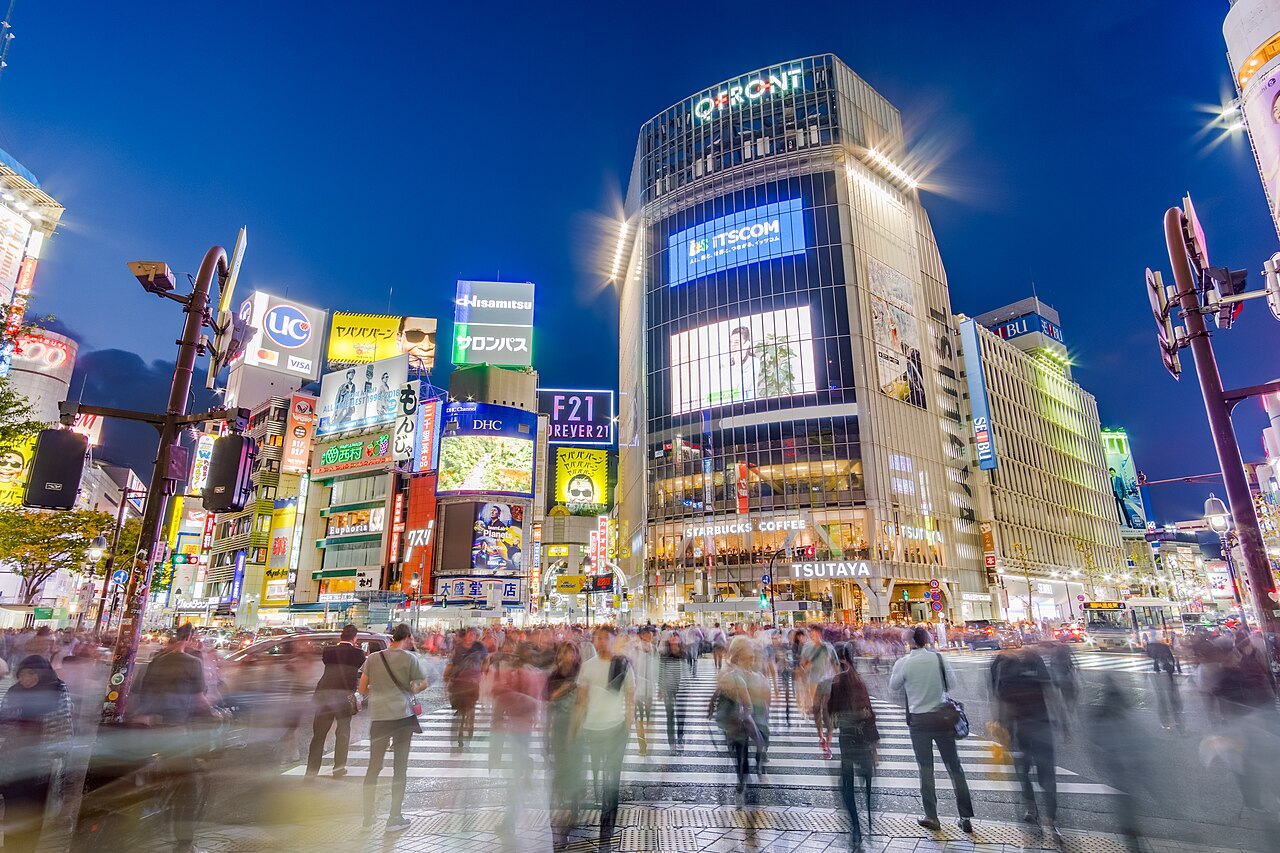
A specialist shop in Tokyo often seats eight or ten at a counter facing the cook, with the menu on the wall and a ticket machine by the door. The alleys behind the big stations are narrow enough that the seating spills into them, lit by paper lanterns at head height and loud at seven in the evening.
The easily missed detail
Washoku's inscription emphasizes the social function of the practice — meals shared at New Year and at seasonal turning points — which is why late December and early January see a wholesale change in what shops serve and which of them open at all. A food-led trip in that window gets osechi and toshikoshi soba, but also finds many counters closed for the holiday.
A practical rhythm
- Lunch — Standing soba or a ramen counter near a station; fastest and cheapest time of day to eat well.
- Late afternoon — A department store food basement, where prepared seasonal dishes are sold to take away.
- Evening — Izakaya and yakitori in the station-side lanes, with sake brewed by the koji method the 2024 inscription recognizes.
What could complicate the plan
Japan's advisory is Level 1, Exercise Normal Precautions, issued May 15, 2025, and the CDC's Global Measles travel health notice, Level 1, dated May 28, 2025, lists Japan among affected destinations. Practically, the obstacles are smaller: many counters seat under a dozen people and do not take reservations, cash is still expected at some, and the New Year closure runs across several days at the turn of the year. August heat, at a normal high of 88.3°F, makes a long queue outdoors genuinely unpleasant.
What to do next
The when-to-visit question in this group sets out the months that suit outdoor eating and the ones that do not, including the city's wettest month.
Sources
- UNESCO Intangible Cultural Heritage — Washoku, traditional dietary cultures of the Japanese, inscription year; traditional koji-based sake brewing, inscription year
- Japan Meteorological Agency, climate normals — 1991–2020 Tokyo station warmest month and normal high
- US Department of State, Japan — advisory level and date
- US Centers for Disease Control and Prevention, travel notices — measles notice level and date