Tonga country guide When to visit
When is the best time to visit Tonga for Vava'u?
The short answer
September — deep in the July–October whale season's peak (mothers and calves at their most numerous), with the dry season still holding, the Port of Refuge full of yachts, and the water at its clearest before October's tail-end.
The answer, with local context
Tonga runs 2 calendars that converge on this anchor. The weather calendar: a hot, wet season from November to April (the cyclone months, worst late December to early April — Cyclone Gita, Tonga's strongest recorded, struck in February 2018) and a cooler, drier season from May to October, with rainfall stepping down the archipelago from about 2,400 mm a year in the northern groups to about 1,600 mm at Tongatapu in the south — Vava'u sits near the wet end, so its dry season matters: June to September are its least rainy months, highs around 77–81°F (25–27°C), nights cool enough for a layer. The whale calendar: humpbacks migrate from Antarctic feeding grounds to Tonga's sheltered northern waters to breed and calve, and Tonga is 1 of very few countries where swimming with them is legal — under the published authority this MUST question requires: the Whale Watching and Swimming Act 2008 and its 2013 Regulations, administered by the Ministry of Tourism, which license operators, confine swimming to the official season (July 1 to October 30), allow a maximum of 4 swimmers plus 1 licensed guide in the water with any pod, permit only 1 vessel's swimmers per pod, cap each encounter at 90 minutes followed by a 1-hour break, and bar Sunday operations entirely (Tonga's constitutionally protected day of rest). August and September hold the peak of mothers with calves; September keeps that peak while shedding August's fullest boats — and the regulations themselves explain the experience's quality: the whales set the terms, encounters end when a mother decides, and no operator may chase a pod that declines.
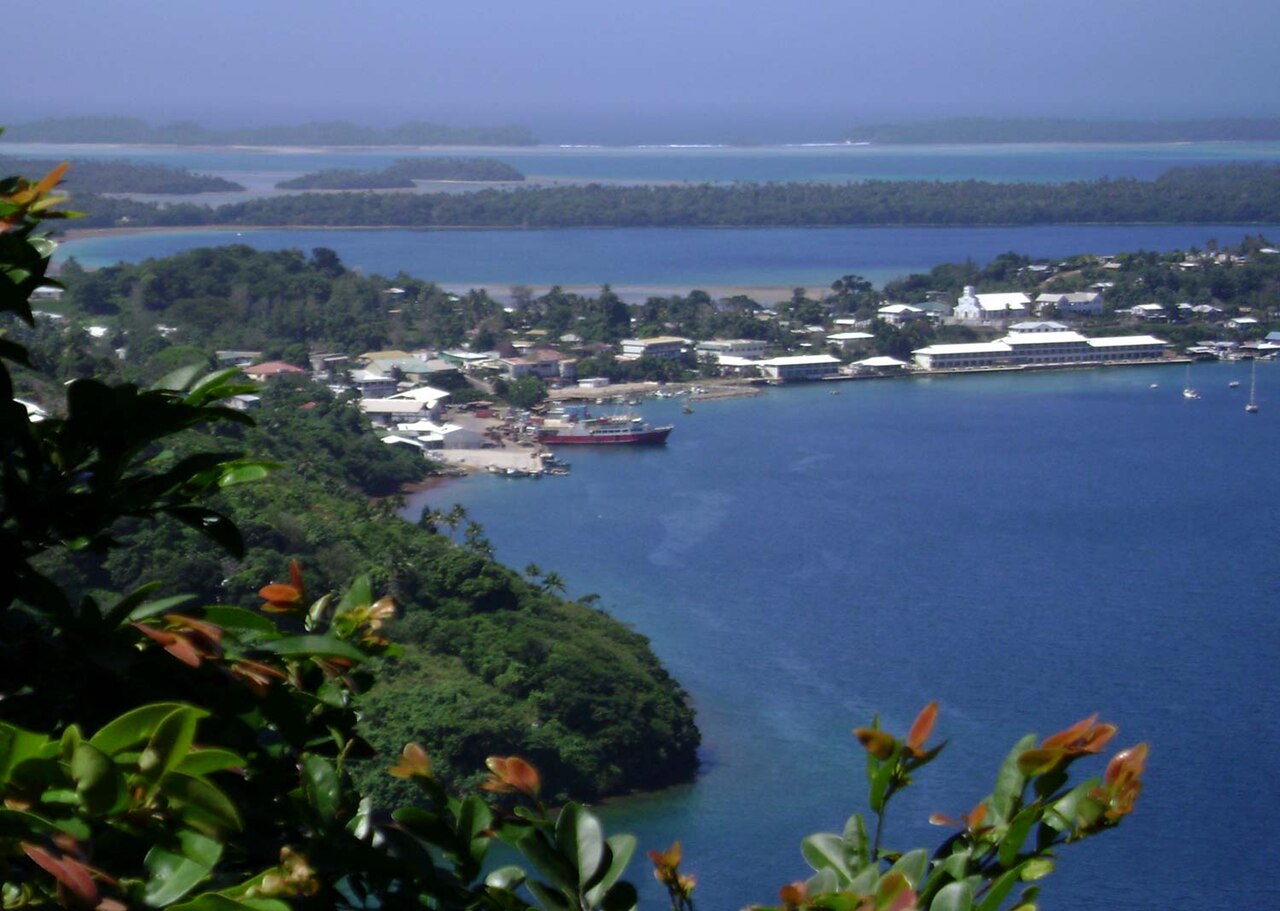
Vava'u itself is the country's sailing capital: about 60 islands scattered across a drowned volcanic landscape 300 km north of Tongatapu, the town of Neiafu on the Port of Refuge (among the Pacific's finest natural harbours, a cyclone hole that fills with cruising yachts all season), and a sea-cave-and-lagoon geography made for boat days between swims — Swallows Cave's light cathedral on Kapa Island, the garden reefs of the northern islets, Mariners Cave (entered underwater, named for the crew of the wrecked Port-au-Prince). Entry paperwork, for completeness: the U.S. State Department's current Tonga guidance (advisory dated October 15, 2026; Level 1) records no visa required for stays of 30 days or less, a passport with 6 months' validity beyond arrival, and a TOP 10,000 currency-declaration threshold; Tongan practice issues a free 31-day visitor permit on arrival, extendable through the Immigration Division in Nuku'alofa. September, then: peak whales, dry skies, rules that protect both, and the harbor at its most alive.
Picture the place
Neiafu from Mount Talau at first light: the Port of Refuge furled below in silver rows of masts, whale boats slipping out past the headland, and the islands of the group layered blue to the horizon.
The easily missed detail
1978: King Tāufa'āhau Tupou IV declared Tonga's waters a royal sanctuary for whales — decades before the swim industry existed — and the same royal protection abolished commercial whaling in Tongan waters for good. The licensed-swim industry you book is the sanctuary's second act, which is why Tongan guides speak of the whales as guests of the King. The second detail is Sunday: Tonga's Sabbath is legal, not folkloric — businesses close, boats stay tied, no whale trips run, and the day fills with church harmony instead (Tongan congregational singing is world-class and visitors dressed modestly are welcome at services). Plan your Vava'u week with Sunday as the harbor-and-hymns day rather than a lost day, and the rhythm of the group explains itself.
A practical rhythm
- Book whales first — Licensed operators' August–September places go earliest; the Tonga Tourism Authority's own advice is swims first, itinerary second
- 4 swims minimum — Whale mood and weather take their share; a week in Neiafu with 4 booked days flexes well
- Sunday ashore — Church singing, a slow town day, the market's Saturday haul eaten at leisure
What could complicate the plan
Capacity is the first wall: licences are capped by group (Vava'u carries the most operators, Ha'apai and 'Eua far fewer), encounters are 4 swimmers at a time by law, and in peak weeks the reputable boats sell out months ahead — a traveler who arrives in September without swim bookings may watch whales only. The rules cut days as well as numbers: a resting mother-and-calf pair that declines approach ends that encounter lawfully, rough trade-wind days cancel small boats, and the 90-minute/1-hour-break rotation means your pod may be another group's second rotation — patience is built into the statute; build it into the schedule too. The 2022 Hunga Tonga–Hunga Ha'apai eruption and tsunami still echo (that event severed the country's undersea cable for weeks and damaged resorts on Tongatapu's west coast; Vava'u was lightly touched) — inter-island infrastructure keeps improving, but card acceptance and connectivity outside Neiafu and Nuku'alofa remain hopeful rather than certain. And the season has hard edges: swimming outside July 1–October 30 is unlawful regardless of whales present (they arrive in June and linger into November for watching only), and after October the cyclone calendar — Gita's February lesson — begins to load.
What to do next
Reserve licensed whale-swim days for mid-September through the Tonga Tourism Authority's operator list before booking anything else, then build Neiafu around them.
Sources
- Government of Tonga — the Whale Watching and Swimming Act 2008 and Regulations 2013 (Ministry of Tourism licensing): season July 1–October 30; maximum 4 swimmers + 1 licensed guide per pod; 1 vessel per pod; 90-minute encounters with a 1-hour break; no Sunday operations; the 1978 royal whale sanctuary
- U.S. Department of State, Tonga (advisory October 15, 2026; Level 1) — no visa required for 30 days or less; passport valid 6 months beyond arrival; TOP 10,000 currency threshold
- Tonga Meteorological Services / climate records — wet season November–April; dry May–October; rainfall from about 2,400 mm in the north to 1,600 mm at Tongatapu; Cyclone Gita (February 2018)
- Tonga Tourism Authority — Vava'u and the Port of Refuge; peak mothers and calves in August–September; book swims first