Uruguay country guide Places and experiences
What should a first-time traveler see in Uruguay beyond the obvious highlights?
The short answer
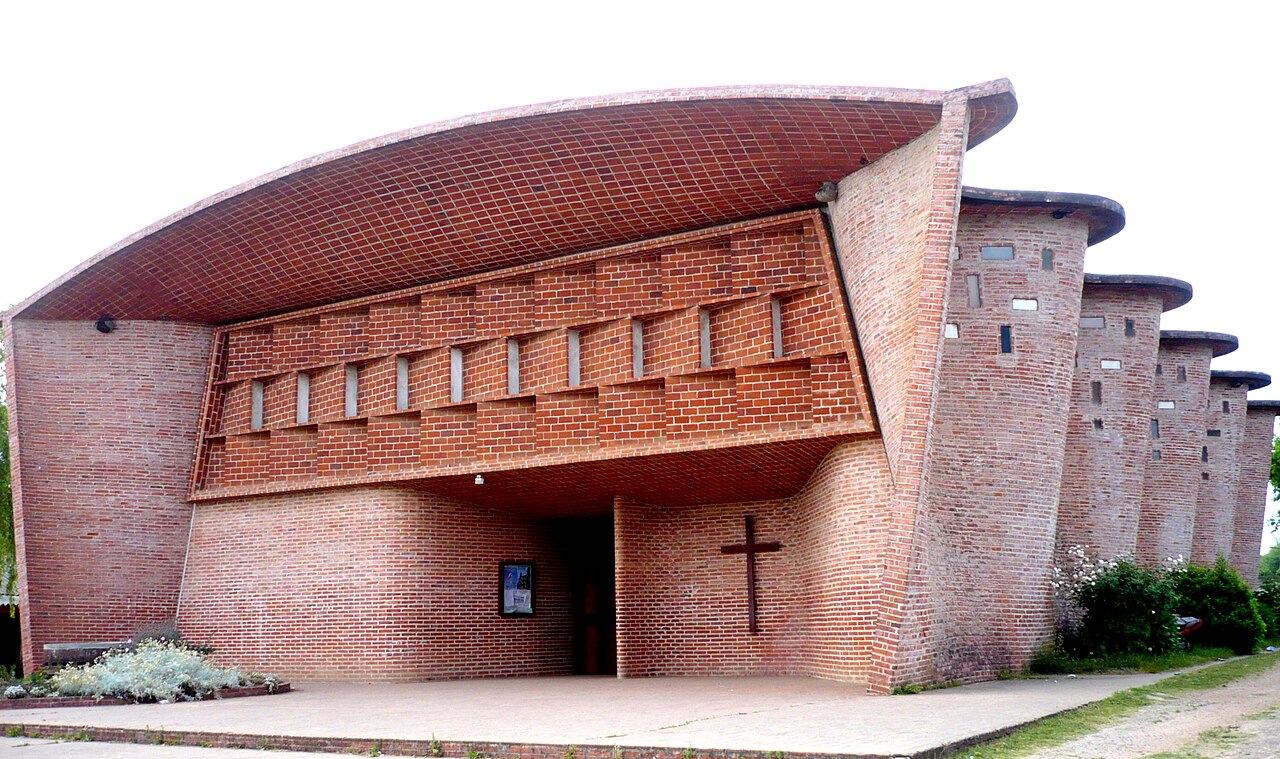
Go for the third World Heritage property, the one almost nobody visits — the work of engineer Eladio Dieste at the Church of Atlántida, inscribed on 27 July 2021 under criterion (iv).
The answer, with local context
Uruguay's foreign ministry announced the inscription the day it happened, in press release number 130/21, noting that the World Heritage Committee made the decision at its 44th session held in Fuzhou, China, and that the citation treats the building as an eminently representative example of a type of construction. The same release names the country's two earlier properties and their years: the historic quarter of Colonia del Sacramento, inscribed in 1995, and the Fray Bentos industrial landscape, inscribed in 2015. Three inscriptions in total, and the newest is a mid-twentieth-century church built of reinforced brick rather than a colonial street or a meatpacking plant.
The Tentative List is where the rest of the country hides. Uruguay has 6 entries on it, and 3 of them sit well outside the usual circuit: Chamangá, a rock painting area, submitted in 2005; the insular area and bay of Colonia del Sacramento, also 2005, which is the water and islands beyond the inscribed old town; and the Isla de Flores cultural landscape with its fluvio-marine context, submitted in 2015. Chamangá in particular points inland, to the department of Flores, which has nothing else drawing visitors at all.
Wine country is the other overlooked region. The Ministry of Tourism counts 50 wineries and vineyards open to visitors nationally, and names Las Piedras in Canelones as the capital of grapes and wine. It also records new high-end vineyard investment in Maldonado and Colonia, which means the wine map is moving east and west from Canelones rather than staying put. The Fiesta Nacional de la Vendimia is held at Las Piedras, organized by the Intendencia de Canelones with support from the national wine institute and the tourism ministry, and includes a parade of carriages and a craft fair.
Picture the place
Dieste built in brick, not concrete, so the church that carries Uruguay's newest World Heritage designation is a rippling masonry shell in a small Atlantic-coast town rather than a monument in a capital city.
The easily missed detail
Colonia del Sacramento appears twice in Uruguay's UNESCO paperwork — once as an inscribed property, the historic quarter listed in 1995, and once as a 2005 Tentative List entry covering the insular area and the bay. That is a strong hint about how to visit. Most day-trippers arrive from Buenos Aires, walk the inscribed streets and leave on the afternoon boat, which misses the water and islands that Uruguay itself considers heritage-grade. Staying a night converts the trip from a street-walk into a landscape.
A practical rhythm
- One day inland — Chamangá's rock paintings, on the list since 2005 and almost unvisited.
- One day on the coast — Atlántida for the 2021 inscription, Uruguay's third and newest.
- One day among vines — Las Piedras in Canelones, the named capital of grapes and wine, among 50 wineries open to visitors.
What could complicate the plan
Tentative List status is not inscription: Chamangá, the Colonia bay and Isla de Flores have no visitor infrastructure guaranteed by any designation, and submission years of 2005, 2005 and 2015 show how long entries can sit. Fray Bentos is a long way upriver from Montevideo and is a working industrial site turned museum rather than a town to wander. The Church of Atlántida is a functioning church, so access follows a parish schedule, not a museum one. And the winery figures come from a ministry article published on 14 February 2022, so the count of 50 and the named investments need confirming.
What to do next
The food question in this group goes deeper into Uruguayan wine and the country's meat culture; the when-to-visit question covers the season that suits all of these regions at once.
Sources
- Ministerio de Relaciones Exteriores del Uruguay, Comunicado de Prensa Nº 130/21, 27 July 2021 — Atlántida inscription date, session, criterion, and the years for Colonia del Sacramento and Fray Bentos
- UNESCO World Heritage Centre, States Parties record for Uruguay — inscribed property count and the 6 Tentative List entries with submission years
- Ministerio de Turismo del Uruguay — wineries open to visitors, Las Piedras, Maldonado and Colonia investment, the Fiesta Nacional de la Vendimia