Vancouver / Canada Things to do
What are the most worthwhile things to do in Vancouver on a first visit?
The short answer
Circle Stanley Park on the seawall to the Brockton Point totem poles, cross False Creek to Granville Island's Public Market, and add the Capilano Suspension Bridge on the North Shore if there is a second day.
The answer, with local context
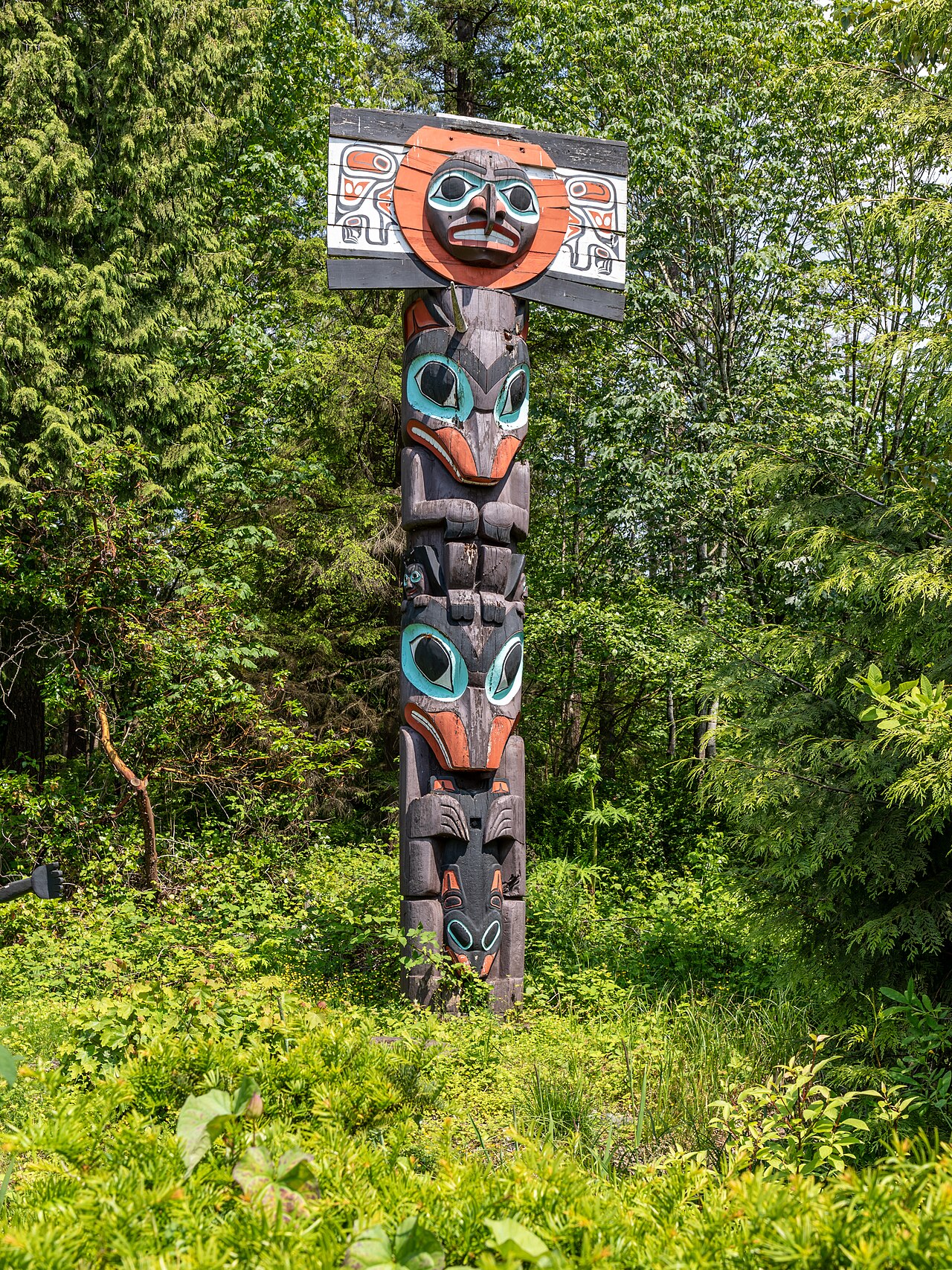
Stanley Park is the city's founding gesture. The 405-hectare (1,001-acre) peninsula — traditional territory of the Musqueam, Squamish and Tsleil-Waututh peoples — opened as a park on September 27, 1888, named for Lord Stanley, the Governor General of the day, and was designated a National Historic Site of Canada a century later, in 1988. Its edge is the seawall, a 5.5-mile (8.8 km) paved loop begun in 1917 as erosion control and finished more than 60 years later, running under some 500,000 cedar, fir and hemlock trees. At Brockton Point, on the park's east end, stand nine totem poles that the City of Vancouver describes as the most visited attraction in British Columbia; the Park Board began collecting poles in the 1920s for a planned Indigenous village that was never built, and the newest pole, added in 2009, was carved by Robert Yelton of the Squamish Nation.
Granville Island is Stanley Park's opposite: a place the city manufactured. Dredging in False Creek in 1916 turned a sandbar into Industrial Island, a grid of factories and sawmills that decayed until the federal government redeveloped it in the 1970s, keeping the corrugated sheds and opening the Public Market in 1979. Around 50 vendors now sell BC produce under the old crane rails, and the little Aquabus ferries cross from downtown in a few minutes, which is the right way to arrive.
The North Shore add-on earns its detour. The Capilano Suspension Bridge was first strung across its canyon in 1889, hemp rope and cedar planks; the present bridge, built in 1956, runs 450 feet (137 m) at 230 feet (70 m) above the Capilano River and now draws more than a million visitors a year into the park's rainforest walkways. Back downtown, Gastown's steam clock — built in 1977 and powered by the city's underground steam system — whistles the quarter hours a short walk from the park gates.
Picture the place
From the seawall's west side the path runs at the water's edge beneath the park's old-growth wall, container ships and freighters anchored out in English Bay, and the North Shore mountains standing across Burrard Inlet with their ski runs still striped white into early summer.
The easily missed detail
Granville Island is still an industrial site. A working cement plant operates at its eastern end, mixer trucks threading the same lanes as the market crowds — the redevelopment kept the island's factories in the picture instead of sweeping them away.
A practical rhythm
- Morning — Ride the seawall loop by bike from Coal Harbour, stopping at the Brockton Point poles on the way round.
- Midday — Take the Aquabus across False Creek and eat standing up in the Granville Island Public Market.
- Afternoon — Cross to the North Shore for Capilano, coming back through Gastown in time to hear the steam clock whistle the hour.
What could complicate the plan
The Capilano bridge is one span carrying both directions of foot traffic, and it backs up at midday in July and August; the park also charges admission, unlike municipal Lynn Canyon's free bridge a few miles east. In the park, the seawall's seaward side is fully exposed — the same rainstorm that is a non-event downtown turns the loop into a wet hour.
What to do next
Eat on the route: the food question in this group covers the sushi bar that changed North American sushi and the six-week prawn season.
Sources
- Parks Canada — Stanley Park National Historic Site of Canada, designated 1988
- City of Vancouver — Stanley Park and the seawall: park size and 1888 opening, the Brockton Point totem poles as British Columbia's most visited attraction
- Granville Island (Canada Mortgage and Housing Corporation) — the island's 1916 industrial creation and the Public Market's 1979 opening
- Capilano Suspension Bridge Park — bridge history from 1889, the 1956 span, and its 137-metre length and 70-metre height