Andorra country guide Trip planning
How can I plan a memorable first trip to Andorra without rushing?
The short answer
Plan the approach before anything else — the FCDO states that you must travel through France or Spain to enter Andorra, so your first decision is which Schengen country you cross, and that single choice shapes the whole trip.
The answer, with local context
Because every land approach runs from one of 2 neighbours, the document test you have to pass is the Schengen one rather than an Andorran one. The FCDO's Andorra entry-requirements page sets it out: a passport issued less than 10 years before arrival, valid until at least 3 months after you plan to leave the Schengen area, and compliance with Schengen entry requirements for France or Spain even if you hold Andorran residency. No visa is needed for Andorra itself, and stays beyond 3 months require applying in person at the Andorran immigration department for a work or residence permit.
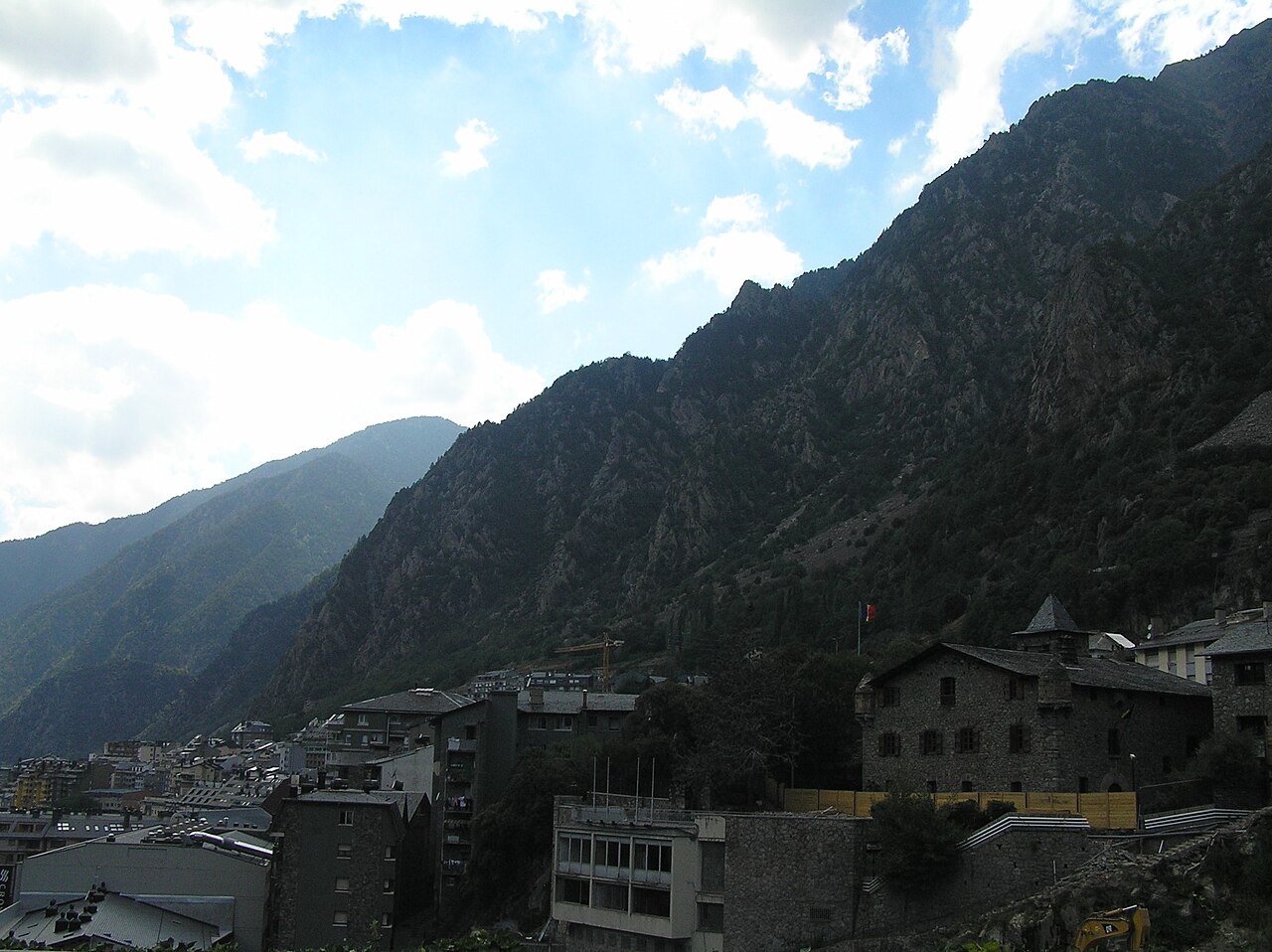
Once inside, the country is small enough that an unhurried trip means depth rather than distance. The Madriu-Perafita-Claror Valley, inscribed by UNESCO in 2004 under Decision 28COM 14B.36, has a central zone of 4,247 hectares and a peripheral protection area of 4,092 hectares, covers about 10% of the country's surface in its basin, and spans the parishes of Encamp, Andorra la Vella, Sant Julià de Lòria and Escaldes-Engordany. With the central and peripheral zones together making up almost a fifth of Andorra's territory, a week spent walking into one valley is a reasonable use of a first visit rather than an eccentric one.
The trail network gives the structure. Andorra Turisme records a GRP circuit of almost 120 km that can be approached in 4 different ways, plus the GR 7 and GR 11 at just over 40 km each, both reaching over 2,600 m, and notes that 3 of the trails cross the Madriu valley.
The easily missed detail
Sleeping altitude, not walking altitude, is what the medical guidance keys on. The CDC Yellow Book 2026 states that unacclimatized travelers sleeping at 2,450 m (8,000 ft) or higher are at risk of altitude illness; that going from below 1,200 m (4,000 ft) to a sleeping altitude of 2,750 m (9,000 ft) or above in a single day should be avoided; that the acute acclimatization phase takes about 3 to 5 days; that 2 to 3 nights at roughly 2,450 to 2,750 m before going higher is markedly protective; and that anyone developing symptoms should descend at least 300 m (1,000 ft) and never ascend to sleep higher while symptomatic. On a slow Andorran trip, that argues for basing in the valleys and climbing out daily rather than chaining nights in high refuges.
A practical rhythm
- Days 1 to 2 — Settle in a parish at valley level, which keeps your sleeping altitude below the CDC's 2,450 m risk threshold.
- Days 3 to 5 — Take the long trails, including the 3 that pass through the Madriu, with the big ascents in this window once the acute acclimatization phase has passed.
- Days 6 to 7 — Come down to the towns, settle any purchases, and plan the exit against the French or Spanish customs rules.
What could complicate the plan
Leaving can be more complicated than arriving. Because Andorra is outside the EU, the FCDO page notes that tobacco, liquor and luxury goods may incur tax or duty when you re-enter France or Spain, that both countries limit personal tobacco exports from Andorra, and that officials may seize excess tobacco and the vehicle carrying it. The same page records that hotels and tourist apartments must register overnight guests with the police using passport details, and that single parents or adults traveling alone with children should carry custody documents or written permission from the other parent. In the mountains, routes above 2,600 m hold snow well past the valley thaw, so a spring trip and a summer trip are not the same trip; Andorra Turisme identifies summer as the season for outdoor terraces and for eating at bordes, the converted livestock buildings that serve as mountain restaurants.
What to do next
The Andorra when-to-visit answer in this chapter gives the hiking season and trail figures; the places answer covers the designated valley and the parishes it crosses.
Sources
- UK Foreign, Commonwealth and Development Office, Andorra entry requirements — approach via France or Spain, Schengen passport rules, long-stay permits, customs and tobacco limits, guest registration, child travel documents
- Madriu-Perafita-Claror Valley management body, Government of Andorra — zone areas, share of territory, parishes
- UNESCO World Heritage Centre, Madriu-Perafita-Claror Valley documents — inscription year and decision code
- CDC Yellow Book 2026, High-Altitude Travel and Altitude Illness — sleeping-altitude thresholds, acclimatization timing, descent rule
- Andorra Turisme, long-distance trails and gastronomy — trail lengths and altitudes, seasonality of bordes