Antananarivo / Madagascar Food and drink
Where should I eat in Antananarivo, and which local food or drink is worth trying?
The short answer
Start with romazava and rice at a Malagasy restaurant, try ravitoto for a cassava-leaf dish, and sample mofo gasy or koba at a traditional bakery or market.
The answer, with local context
Rice is central to everyday eating in Madagascar. The Malagasy embassy in France identifies rice as accounting for approximately 60% of the traditional diet in its cultural description. It accompanies major dishes rather than being an occasional side. A typical Malagasy restaurant, sometimes called a hotely, can therefore be a better introduction to local food than a restaurant serving only international cuisine.
Romazava is a broth made with meat, commonly zebu beef or chicken, and leafy greens. Madagascar's national tourism board identifies anamalaho, also called brèdes mafane, as a characteristic ingredient. The plant creates a distinctive slightly tingling sensation in the mouth. Richer versions may also include pork or shrimp.
Ravitoto uses pounded cassava leaves cooked with meat. Different traditional descriptions identify pork or beef preparations, so the exact meat needs to be read from the menu. Unlike romazava's broth, ravitoto has a denser texture because the leaves are crushed before cooking.
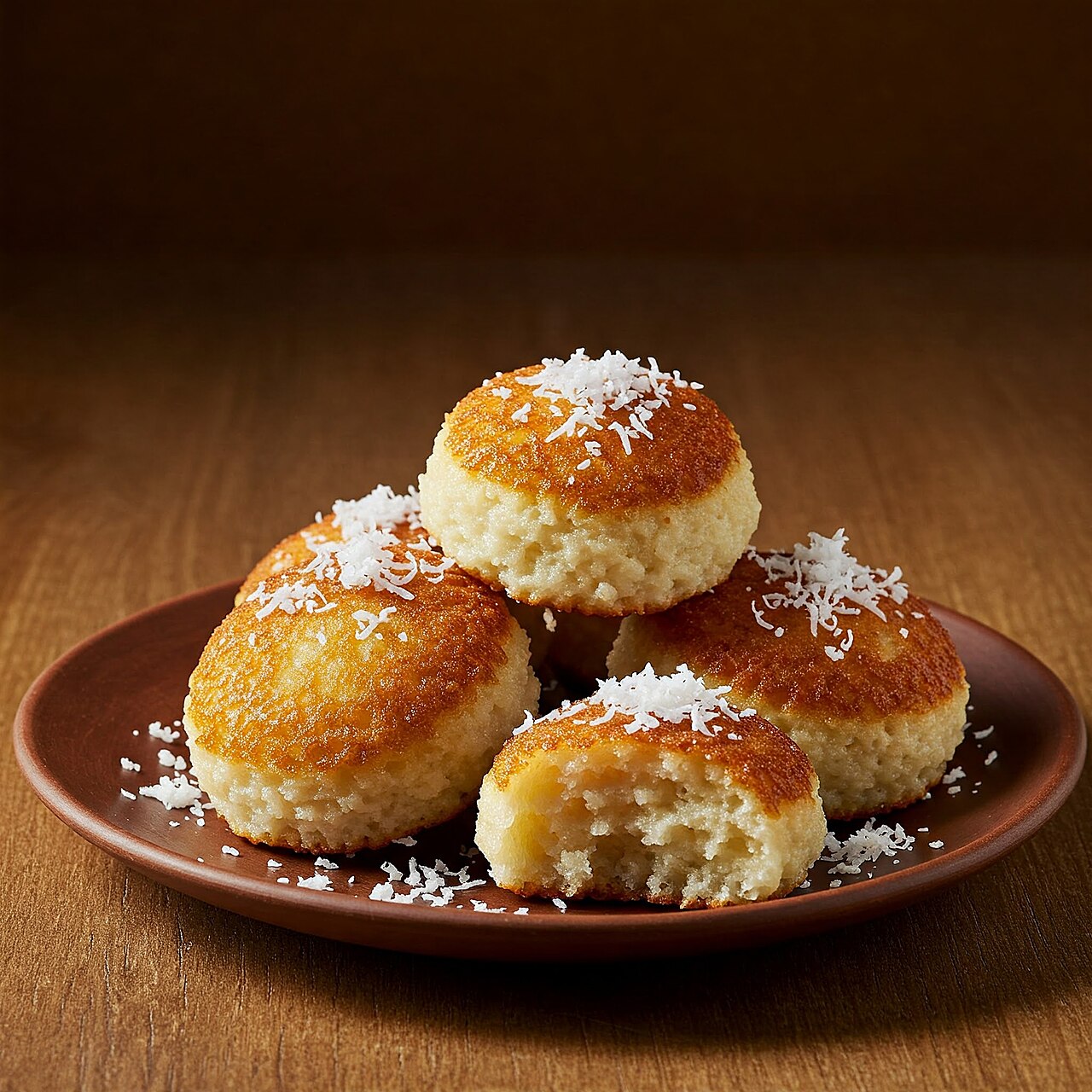
For breakfast, mofo gasy is a traditional rice-based cake cooked in small rounded portions. Madagascar's tourism board also identifies ramanonaka, mofo baolina, and mofo sakay among common snack preparations. These should not all be treated as the same product: their dough, fillings, and seasonings differ.
Koba ravina is a sweet made from sticky rice, banana, and crushed peanuts, wrapped in banana leaves. For a drink, ranovola is prepared using toasted rice residue and water. Madagascar's embassy describes the closely related ranon'ampango as water heated with the browned rice remaining at the bottom of a cooking pot.
The capital's restaurants also reflect historical influences. The embassy identifies Chinese cooking as established in Antananarivo and parts of eastern Madagascar, alongside French and other international food traditions. Travelers who want a specifically Malagasy meal should therefore look for dishes by name rather than assuming every restaurant in the capital serves the same local menu.
Picture the place
Romazava appears as a broth with meat and greens; ravitoto is darker and thicker because of its finely pounded leaves. Mofo gasy forms small rounded cakes, while koba is wrapped in leaves around a compact, sweet filling.
The easily missed detail
Romazava and ravitoto are two different uses of leafy greens. Romazava is a broth; ravitoto uses crushed cassava leaves. Ordering both gives a clearer picture of Malagasy cooking than treating them as interchangeable vegetable dishes.
A practical rhythm
Breakfast — Market bakery: Try freshly cooked mofo gasy.
Lunch — Malagasy hotely: Order rice with romazava or ravitoto.
Afternoon — Sweet snack: Seek banana-leaf-wrapped koba and a traditional rice-based drink.
What could complicate the plan
Koba contains peanuts, while romazava and ravitoto may contain different meats or seafood. The U.S. State Department identifies Madagascar as a predominantly cash-based economy and says many restaurants do not accept cards. It also advises against drinking untreated tap water. Cash availability and food preparation matter particularly at smaller market stalls.
What to do next
provides the historic neighborhoods to pair with a traditional meal. identifies the drier months for exploring the capital's outdoor markets.
Sources
- Madagascar National Tourism Board, Gastronomy — romazava, ravitoto, koba, mofo gasy, and traditional drinks.
- Embassy of Madagascar in France, Meals and Drinks — rice, regional dishes, restaurant traditions, and culinary influences.
- U.S. Department of State, Madagascar Travel Guidance — currency, restaurant payments, and water safety.