Antigua Guatemala / Guatemala Food and drink
Where should I eat in Antigua Guatemala, and which local food or drink is worth trying?
The short answer
Order pepián, Guatemala's national stew, at a traditional kitchen like La Fonda de la Calle Real, breakfast on banana bread at Doña Luisa Xicotencatl, and drink Antigua's own high-grown coffee — one of Anacafé's eight protected regional coffees.
The answer, with local context
Start with the dish the state itself has certified. In September 2007 Guatemala's Ministry of Culture declared pepián part of the Intangible Cultural Heritage of the Nation, naming it among the country's emblematic dishes. It is a thick, rust-red stew of chicken, beef or pork — often all three — in a sauce of toasted pumpkin seeds (pepitoria), sesame, dried guaque and pasa chiles and roasted tomato, a recipe that fuses pre-Columbian Maya technique with ingredients that arrived with the Spanish in the 16th century. In Antigua the dependable place for it is La Fonda de la Calle Real, a traditional Guatemalan restaurant a block from the Arch that has built its name on the classic repertoire: pepián, jocón (chicken in a green tomatillo and herb sauce) and kak'ik, the fiery turkey soup of the Q'eqchi' Maya of Alta Verapaz, flavored with cobanero chile.
Antigua eats its other emblematic meal in the morning. Doña Luisa Xicotencatl, a bakery-café near La Merced, is famous across Guatemala for banana bread served in a colonial courtyard, and market stalls and fondas ladle out atol de elote, a hot, sweet corn drink thick enough to need a spoon. Saturdays belong to tamales colorados — pork tamales in annatto-red sauce, sold on Saturdays by tradition across the country — and the street dessert to hunt down is the rellenito, a mashed sweet plantain stuffed with black beans, fried and rolled in sugar.
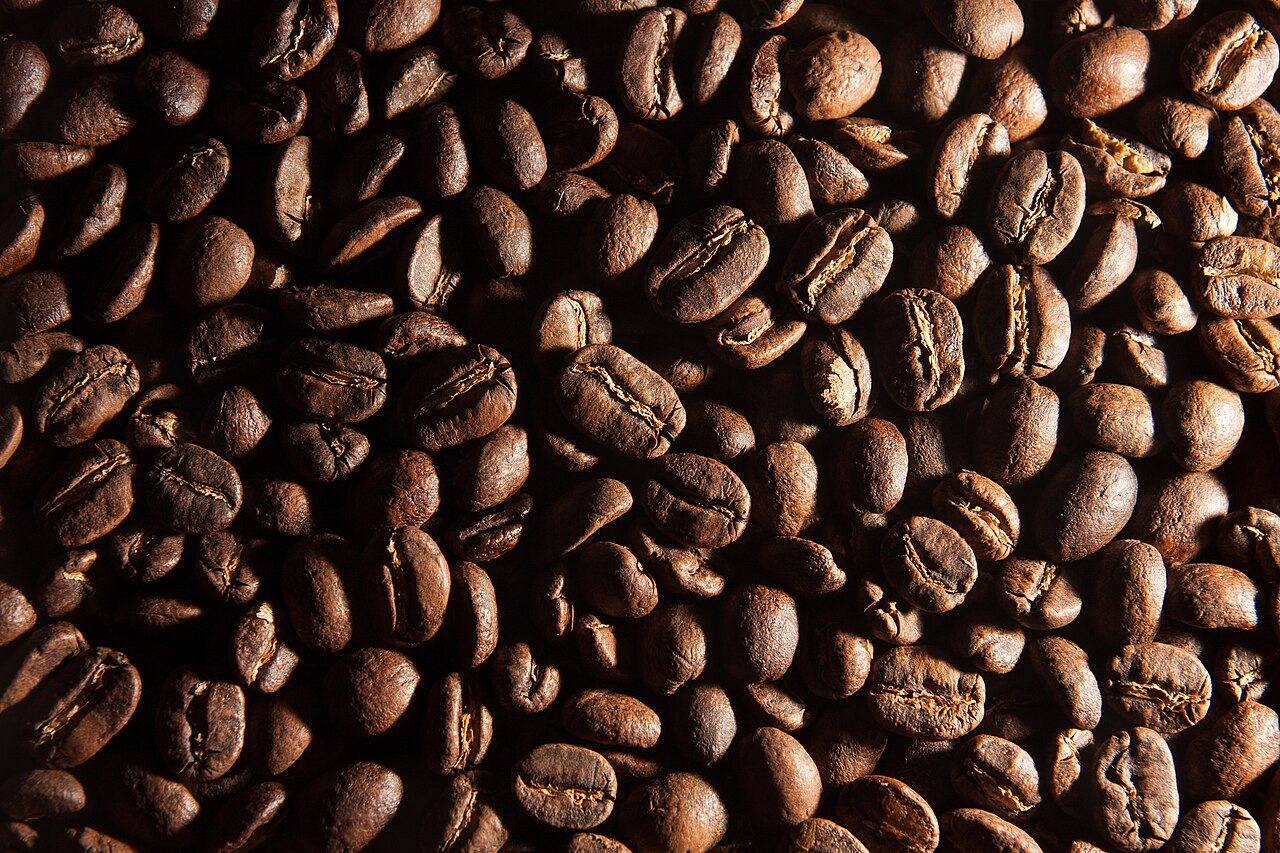
The drink that matters most here is coffee, and it is not generic. Anacafé, Guatemala's national coffee association founded in 1960, recognizes eight coffee regions, and Antigua Coffee — shade-grown arabica at 5,000 to 5,600 feet in volcanic soil that Fuego's ash keeps replenishing — is the most famous; Anacafé describes the cup as elegant and well balanced with a rich aroma and a very sweet taste. In 2018, by Ministerial Agreement 606-2018, Guatemala went further and declared the traditional knowledge of coffee growing part of the nation's intangible heritage. Drink it at the source on a finca tour at La Azotea or Finca Filadelfia, or in town where cafés pour single-origin Antigua bourbon; pair it after dinner with hot chocolate, the older local tradition in a country that gave cacao to the world.
Picture the place
A courtyard table at Doña Luisa at 8 a.m.: banana bread still warm, a mug of Antigua coffee black as the volcanic soil it grew in, bougainvillea coming over the colonial wall, and Volcán de Agua filling the end of the street.
The easily missed detail
Pepián's sauce is thickened without a grain of flour or cream — the body comes entirely from ground toasted seeds and torn-up tortilla blended into the broth, which is why the stew tastes nutty before it tastes spicy, and why no two fondas' versions match: each family's seed-to-chile ratio is its signature.
A practical rhythm
- Breakfast like a local — Banana bread and coffee at Doña Luisa, or atol de elote from a market stall, before sightseeing
- The heritage plate at lunch — Pepián at La Fonda de la Calle Real, with kak'ik as the alternative for anyone who wants real heat
- Coffee at the source — Take an afternoon finca tour and finish with a cupping of the same harvest you walked through
What could complicate the plan
Kak'ik and pepián are celebratory dishes, so smaller kitchens may only serve them on weekends, and Saturday is when tamales replace them on many menus. Antigua's restaurant scene also includes a large international layer aimed at visitors; the traditional dishes above are concentrated in fondas around the grid's center rather than in the hotel restaurants at its edge. Coffee quality drops off outside the named region — a bag labeled simply "Guatemalan" is not Antigua Coffee under Anacafé's rules.
What to do next
Make pepián at La Fonda de la Calle Real your first sit-down meal, and book one finca tour so the coffee you drink all week has a place attached to it.
Sources
- Guatemala Ministry of Culture and Sports — pepián declared Intangible Cultural Heritage of the Nation in September 2007, among the country's emblematic dishes
- Anacafé (Guatemalan Coffees) — Antigua Coffee region at 5,000 to 5,600 feet, one of eight regions, with its published cup profile
- Government of Guatemala, Ministerial Agreement 606-2018 — traditional coffee-growing knowledge declared national intangible heritage
- INGUAT visitor information — Antigua's traditional restaurants, bakeries and coffee fincas including La Fonda de la Calle Real and Doña Luisa Xicotencatl