Armenia country guide When to visit
When is the best time to visit Armenia for Geghard Monastery?
The short answer
Mid-May through mid-October — UNESCO's own file for the property puts the monastery at roughly 1,700 m above sea level, about 5,600 feet, and the half-subterranean rock-cut chambers that make Geghard worth the drive hold winter in them long after the valley floor has thawed.
The answer, with local context
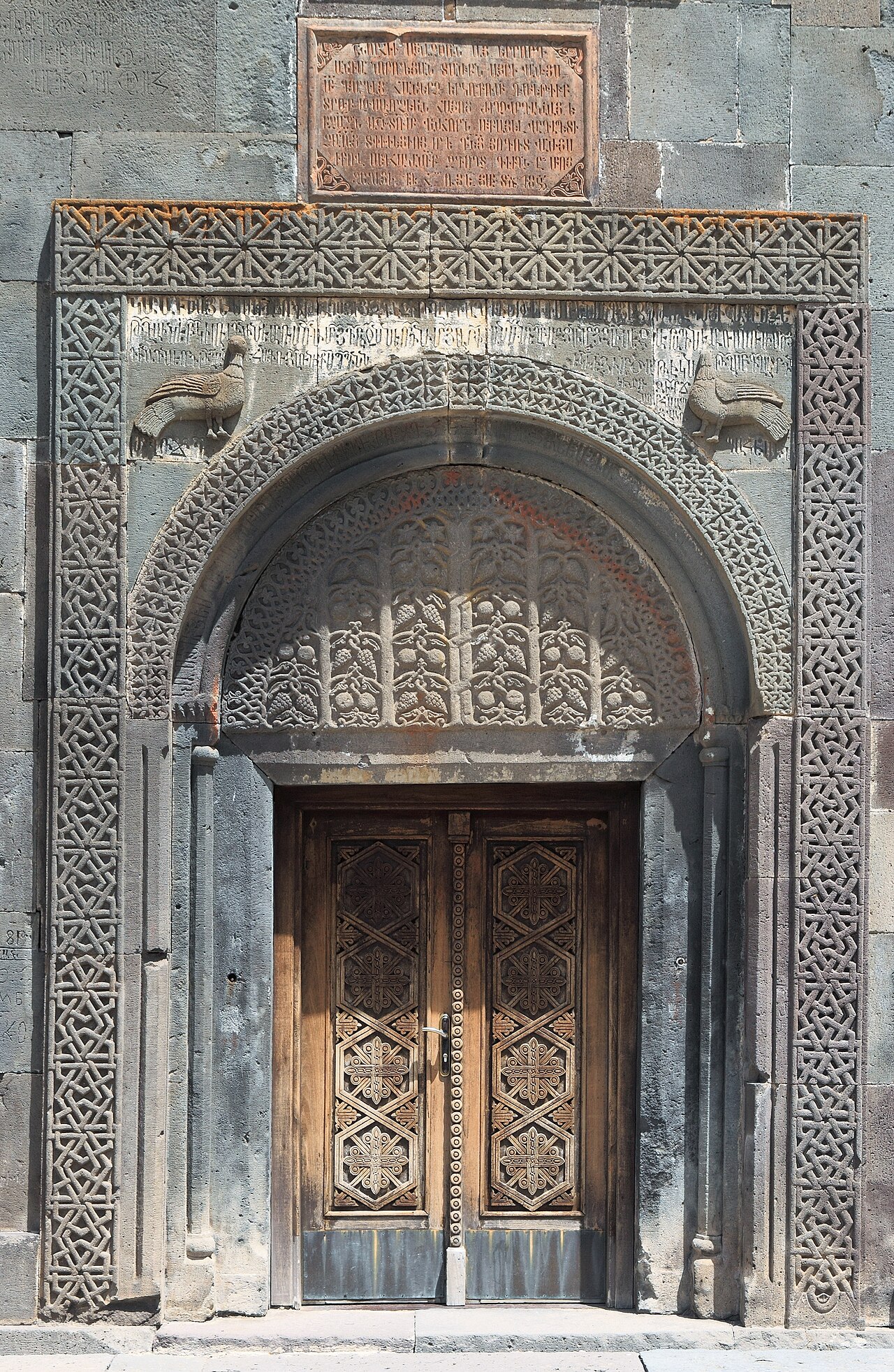
Geghard is not a building you admire from a forecourt. UNESCO inscribed the Monastery of Geghard and the Upper Azat Valley in 2000 under Decision 24 COM X.C.1, on criterion (ii) alone, citing its rock-cut churches and tombs as an exceptionally well preserved example of medieval Armenian monastic architecture whose innovations shaped later building across the region. The monuments on site span the 4th to the 13th century. The first of the rock-cut churches was finished before 1250; the second was carved in 1283. The St. Astvatsatsin chapel carries inscriptions dated 1177 and 1181, and residential and service buildings were added in the 17th century.
That chronology is the reason season matters. The oldest spaces are hollowed directly out of the cliff, so they stay at the rock's temperature rather than the air's. In the warm half of the year that is a relief; in late autumn and winter it is a problem, because there is no heating a cave church.
Armenia keeps a single time zone, GMT+4, and does not shift for daylight saving, which the US International Trade Administration notes in its Armenia guide. Clock time therefore tracks real solar time all year, and a June evening in the Azat gorge stays usable far later than the hour suggests.
Picture the place
High cliffs close the complex off on its northern side, and a defensive wall takes over where the rock does not — UNESCO describes the site as shut in on all sides by one or the other. The gorge narrows as you approach, so the monastery arrives suddenly rather than growing on the horizon.
The easily missed detail
Armenia's land borders with Türkiye and Azerbaijan are closed, a fact the US Department of State states plainly in its Armenia country information, and the country-wide advisory reads "Exercise increased caution in Armenia due to areas of armed conflict." Neither changes anything about Geghard itself, which sits an easy drive east of Yerevan, but both decide how you get into the country in the first place: a flight into Yerevan, or an overland crossing from Georgia. A buffer zone around the property was established in 1986, which is why the approach road and the valley above it look less built-up than the volume of day visitors would predict.
A practical rhythm
- Early — Go before the tour coaches. The rock-cut churches are small, and the acoustics that draw singers into them only work when the rooms are not full.
- Midday — Pair Geghard with the Azat valley road itself; the property's inscribed area is the valley, not just the walled complex.
- Late afternoon — Save the carved interiors for last, when outside light has dropped enough that your eyes adjust to the cave churches quickly.
What could complicate the plan
The altitude is the practical constraint: at about 1,700 m, snow and ice on the access road are a real possibility from late autumn into spring, and the carved chambers are unheated year-round. The US State Department also lists earthquakes and landslides among Armenia's natural hazards, which matters on a road cut along a gorge wall. There is no single ticketed entrance with posted hours here — Geghard is a working monastery, so services take priority over visitors.
What to do next
For what else fills a week in Armenia, see the question in this guide on what a first-time traveler should see beyond the obvious highlights; for entry rules and internal distances, see the Armenia trip-planning question.
Sources
- UNESCO World Heritage Centre, Monastery of Geghard and the Upper Azat Valley — inscription year, Decision 24 COM X.C.1, criterion (ii), construction dates, buffer zone, altitude, cliff setting
- US Department of State, Armenia country information — closed land borders, advisory wording, natural hazards
- US International Trade Administration, Armenia Country Commercial Guide, business travel — time zone and absence of daylight saving