Auckland / New Zealand Food and drink
Where should I eat in Auckland, and which local food or drink is worth trying?
The short answer
A hāngī at the Ōtara Market on a Saturday morning — meat and kūmara steam-cooked in an earth oven, eaten standing up in the middle of the largest Polynesian city on Earth.
The answer, with local context
Auckland's food makes sense once its demography is on the table. The city holds about 1.7 million people, roughly a third of New Zealand's population; about 40 percent of Aucklanders were born overseas; and the city has the largest Polynesian population of any city in the world — by the 2023 Census more than 16 percent of residents identify as Pasifika, nearly two-thirds of all Pacific New Zealanders. For some Pacific nations, more of their people live in Auckland than at home. That is why the Pacific food here is not a genre; it is the local cooking.
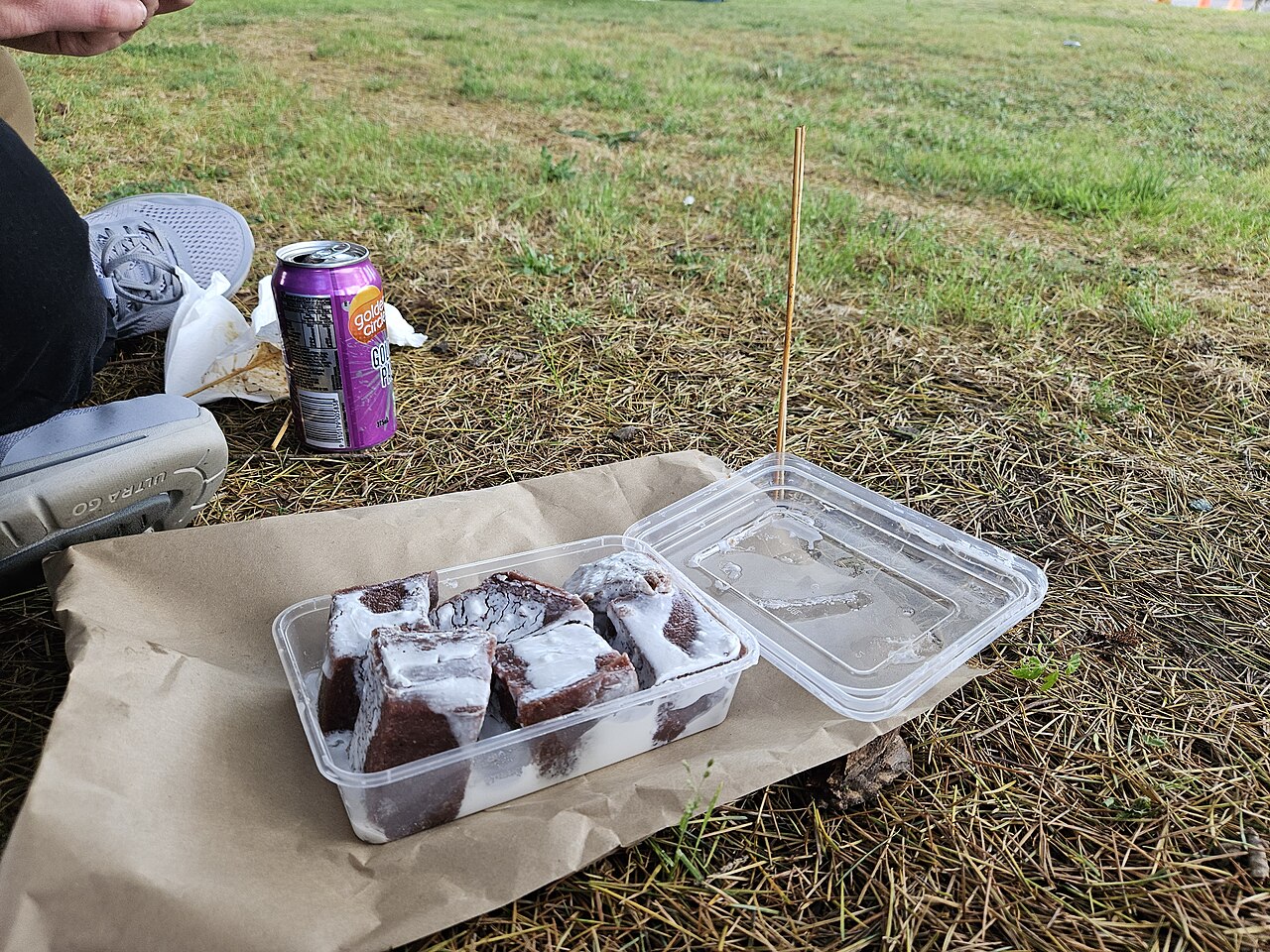
The hāngī is the Māori foundation: stones heated in a pit until they glow, baskets of pork, lamb or chicken layered with kūmara — the sweet potato Māori ancestors carried across the Pacific — and pumpkin, covered and left to steam in the earth for hours until everything comes up smoky and soft. At Ōtara's Saturday market in South Auckland, one of the country's largest weekly markets, stalls sell hāngī alongside the Pacific table: panikeke, Samoa's round fried pancakes; banana poke, the Cook Islands' baked banana pudding under coconut cream; 'ota ika, raw fish cured in citrus and coconut; taro in its leaves, and chop suey in the island style. The market runs from early morning to about midday and doubles as a cultural performance, with Pacific dance and music between the produce trestles. Avondale's Sunday market, the west's counterpart, runs the same play a day later.
The harbor contributes its own signature. The green-lipped mussel, Perna canaliculus, exists wild nowhere else on Earth — it is endemic to New Zealand, named for the green edge of its shell — and reaches Auckland steamed, chowdered and frittered, much of it farmed on lines in the Coromandel, in sight of the city across the Gulf. Fish and chips on a beach at Devonport or Mission Bay covers the British inheritance honestly.
Coffee carries the local argument. Auckland's café folklore dates the flat white to Café DKD in 1984; Sydney claims it for Moors Espresso Bar in 1985, and the two cities have disputed the small, strong, milk-smooth cup ever since — an Auckland barista will happily brief you on why the claim is theirs. The suburbs finish the picture after dark: the Auckland Night Markets rotate through car parks and malls across the city on different nights of the week, several hundred stalls deep, and Ponsonby Road and Britomart handle the sit-down end.
Picture the place
At Ōtara by eight on a Saturday the trestle tables run out of sight — taro and green bananas stacked in pyramids, trays of panikeke still shining with oil, a hāngī stall lifting the lid so the steam rolls up into the cool morning while a dance troupe drums somewhere behind the produce.
The easily missed detail
The hāngī on sale at Ōtara was not cooked in a kitchen. Vendors dig the pits and heat the stones in the small hours, and the baskets come out of the ground the same morning they are sold — which is why the market's real start time is dawn and why the hāngī stalls are the ones with queues by nine.
A practical rhythm
- Morning — Ōtara Market on Saturday from early: hāngī, panikeke and poke for breakfast, produce and pounamu carving after.
- Midday — Green-lipped mussels or fish and chips on the waterfront — Devonport by ferry, or Mission Bay along the promenade.
- Evening — A night-market dinner grazing the stalls, or a Ponsonby Road restaurant for the modern Pacific Rim version of the same ingredients.
What could complicate the plan
The best eating in Auckland runs on a market clock: Ōtara is Saturday only and winds down by midday, Avondale is Sunday only, and each night market has its own assigned evening. A trip that misses the weekend misses the point. The hāngī also sells out — at festival times and fine Saturdays, the earth ovens' output is spoken for by late morning.
What to do next
Put Saturday morning in Ōtara before anything else in the diary; the timing question in this group explains why late summer makes that market morning a pleasure.
Sources
- Stats NZ (2023 Census) — Auckland's population of about 1.7 million and more than 16 percent of residents identifying as Pasifika
- Ōtara Flea Market Trust — the Saturday market in South Auckland, its Pacific food stalls, hāngī vendors and cultural performances
- Fisheries New Zealand — the green-lipped mussel (Perna canaliculus) as a species endemic to New Zealand
- Auckland Council — the Avondale Sunday Market and the city's programme of suburban night markets