Bali / Indonesia Things to do
What are the most worthwhile things to do in Bali on a first visit?
The short answer
Spend time in the island's five inscribed World Heritage components rather than only on the coast — UNESCO listed the Cultural Landscape of Bali Province in 2012 under criteria (iii), (v) and (vi) for the subak system and its water temples.
The answer, with local context
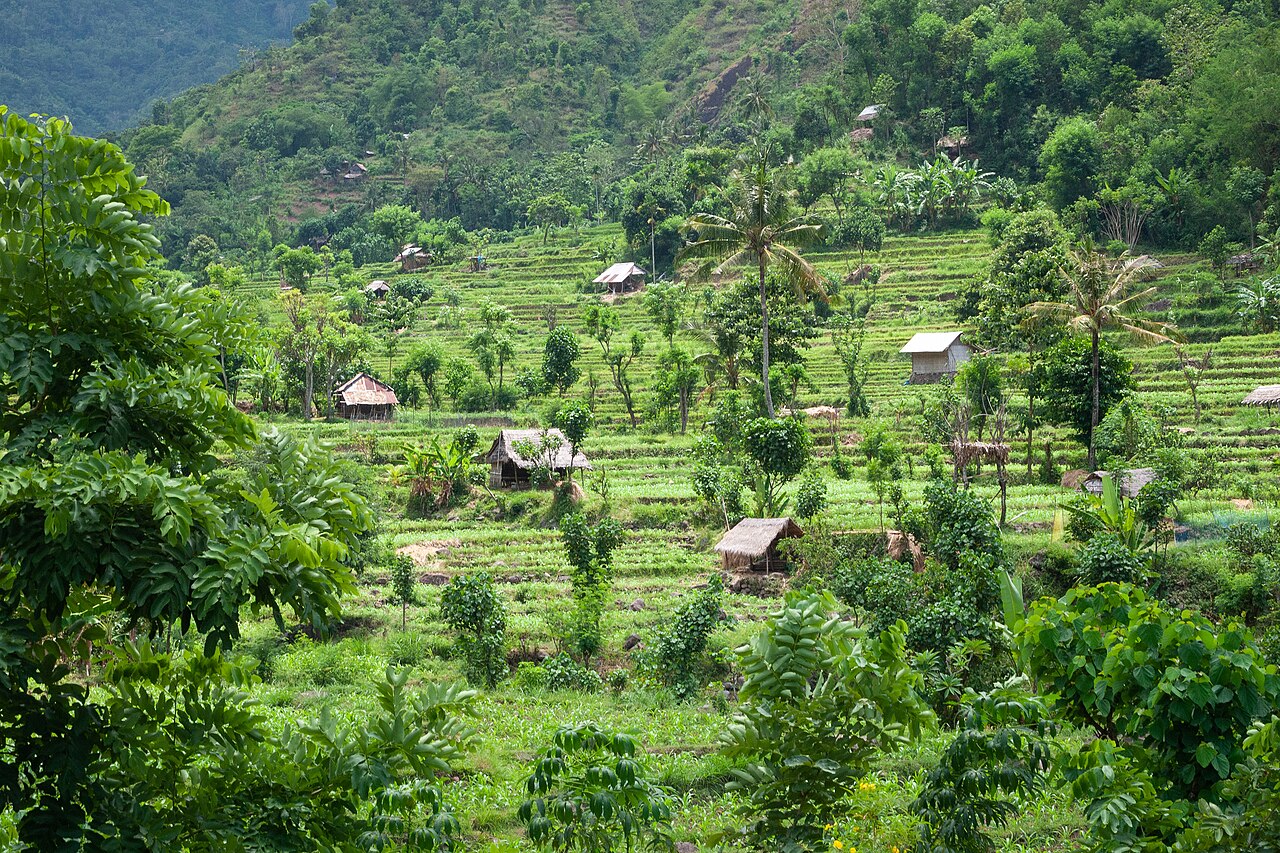
The property is a set of places, and knowing them turns a first visit into a route. Named components include the Supreme Water Temple of Pura Ulun Danu Batur on the edge of Lake Batur; the Subak Landscape of the Pakerisan Watershed, which UNESCO calls the oldest known irrigation system in Bali; the Subak Landscape of Catur Angga Batukaru, whose terraces are among the oldest on the island and which takes in the fields at Jatiluwih; and the Royal Water Temple of Pura Taman Ayun at Mengwi, described as the largest and most architecturally distinguished regional water temple.
The system behind them is social as much as agricultural. UNESCO records about 1,200 water collectives on Bali, each sharing a water source among 50 to 400 farmers, and credits the water temples with coordinating water management across whole watersheds since the 11th century. Criterion (v) describes it as a democratic and egalitarian system focused on water temples, and the whole is tied to Tri Hita Karana, the philosophy of harmony between the spiritual world, human society and nature.
That gives a first-visit structure the beach districts cannot: a lake and crater temple in the north, an ancient watershed in the center near Tampaksiring, terraces on the Batukaru slopes in the west, and a royal temple close to Denpasar.
Lake Beratan's Pura Ulun Danu Beratan, often confused with the inscribed Batur temple, sits on its own lake in the Tabanan uplands and is a separate and much-photographed site.
Picture the place
At Mengwi the temple sits inside a moat, with multi-tiered meru towers rising behind a walled courtyard and water on three sides. Up at Lake Batur the air is noticeably cooler — upland Bali averages nearer 73°F (23°C) against about 82°F (28°C) on the coast.
The easily missed detail
The subak is still operating. These are working irrigation collectives with ritual calendars, not preserved landscapes, which is why planting and flooding stages differ from one terrace to the next and why the view at Jatiluwih changes month to month. Walking paths run between active fields, and the water temples hold ceremonies that take precedence over visiting hours.
A practical rhythm
- Morning — A watershed site such as the Pakerisan group, before heat and coach traffic build.
- Midday — The Batukaru terraces, where elevation keeps temperatures below coastal levels.
- Late afternoon — A water temple such as Pura Taman Ayun at Mengwi, when the light is low on the meru towers.
What could complicate the plan
The Rp 150,000 foreign tourist levy is payable once per trip by every international tourist traveling to Bali. Indonesia is at Level 2, Exercise Increased Caution, for natural disasters, unrest and terrorism, with some areas at increased risk. Temple dress rules apply at all of these sites, and ceremonies can close courtyards to visitors without notice. Mount Batur is an active volcano, and crater-area access depends on alert status.
What to do next
The responsible-travel answer in this group goes further into the upland districts beyond the inscribed sites; the food answer covers what the subak rice actually becomes.
Sources
- UNESCO World Heritage Centre, Decision on the Cultural Landscape of Bali Province — inscription year, criteria, named components, water collective and water temple detail
- Bali Provincial Government, Love Bali — foreign tourist levy
- World Bank Climate Change Knowledge Portal, Indonesia Climate Risk Country Profile — coastal and upland temperature averages
- US Department of State, Indonesia Travel Advisory — advisory level and reasons