Cairo / Egypt When to visit
When should I visit Cairo, Egypt, for the best experience?
The short answer
November through March is Cairo’s strongest sightseeing season, with average daytime highs ranging from 66°F (19°C) in January to 76°F (24.7°C) in November.
The answer, with local context
Cairo’s winter offers unusually favorable conditions for exploring a city whose most significant heritage includes extensive outdoor streets and monumental courtyards. Egyptian Meteorological Authority observations published through the World Meteorological Organization show a January average low of 49°F (9.7°C), a February high of 69°F (20.3°C), and a March high of 74°F (23.4°C). December’s average daytime high is approximately 69°F (20.7°C). These are Cairo Airport climate normals for 1981–2010.
The contrast with summer is considerable. April reaches an average high of 83°F (28.2°C); May rises to 89°F (31.9°C), and July peaks near 95°F (34.8°C). Overnight temperatures also remain elevated in summer, with July averaging 73°F (22.9°C) at its daily minimum. October offers a transition, although its average high of 85°F (29.7°C) is still noticeably warmer than November.
Rainfall is rarely the limiting factor. March, among the wetter months in the station record, receives approximately 0.22 inches (5.7 mm) of average rainfall. January receives 0.19 inches (4.8 mm), and June through August record essentially no measurable rainfall. The trade-off for summer’s dryness is prolonged exposure to heat on stone-paved streets and open archaeological grounds.
Historic Cairo is especially rewarding during the cooler months. UNESCO’s protected area encompasses approximately 524 hectares, including streets and religious monuments built across several Islamic dynasties. The Citadel of Saladin occupies the Muqattam Hills, while the historic Al-Muizz corridor contains a concentration of medieval architectural complexes. Their outdoor settings explain why the difference between January and July temperatures matters.
Picture the place
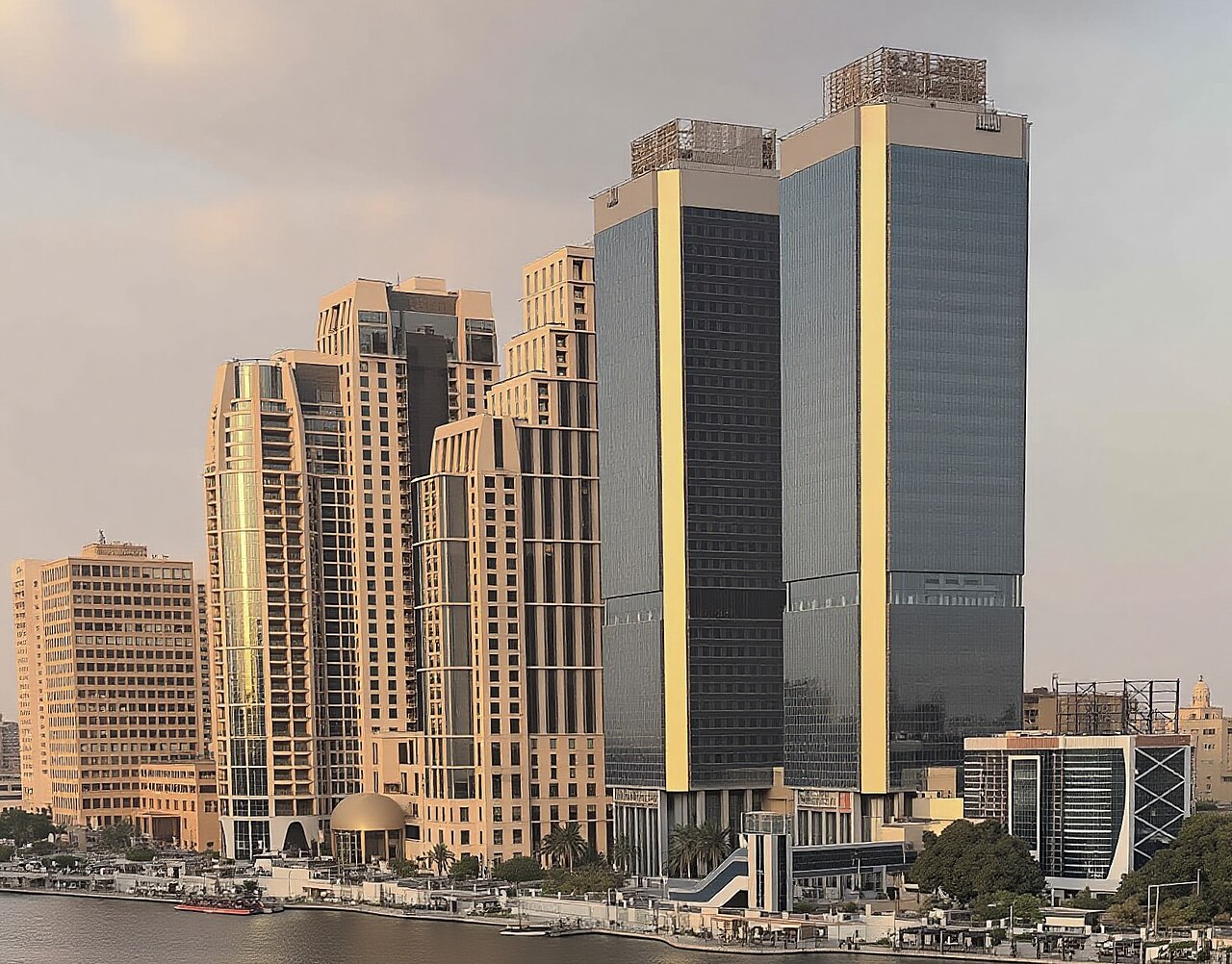
The Nile passes through a densely built metropolis, while historic quarters contain stone minarets, enclosed courtyards and narrow commercial lanes. Above the city, the Citadel stands on elevated ground overlooking Cairo’s extensive urban landscape.
The easily missed detail
A Cairo winter day can have a large temperature difference between early morning and afternoon. January’s average low of 49°F (9.7°C) and high of 66°F (19°C) make removable layers more useful than dressing for the afternoon alone. The Citadel’s elevated location adds another exposed setting to an otherwise street-based itinerary.
A practical rhythm
Morning — Al-Muizz Street: Explore its historic building facades and religious complexes in the cooler part of the day.
Midday — National Museum of Egyptian Civilization: Visit the Fustat museum and its Royal Mummies Hall.
Late afternoon — Citadel: Explore the fortress’s mosques and elevated views during its published 8 a.m.–5 p.m. operating period.
What could complicate the plan
March through May can bring dust-bearing winds associated with the khamsin season. Between May and September, daytime temperatures commonly make prolonged outdoor walking more difficult. Egypt also has geographically specific security restrictions; the U.S. State Department advises increased caution nationwide and identifies areas outside the principal Cairo sightseeing districts with stricter warnings.
What to do next
covers the monuments and museums that make Cairo distinctive. provides a food itinerary for the historic districts and downtown.
Sources
- World Meteorological Organization, Cairo Airport climate normals — Egyptian Meteorological Authority monthly temperatures and rainfall, 1981–2010.
- UNESCO World Heritage Centre, Historic Cairo — protected area, historic urban character and architectural heritage.
- Egyptian Ministry of Tourism and Antiquities, Cairo Citadel — hilltop setting, history and visitor hours.
- U.S. Department of State, Egypt Travel Advisory — current security guidance and regional restrictions.