Cambodia country guide Trip planning
How can I plan a memorable first trip to Cambodia without rushing?
The short answer
Allow approximately ten to twelve days for Siem Reap, Phnom Penh and one additional region, keeping Angkor as a multi-day experience rather than a single hurried excursion.
The answer, with local context
Begin in Siem Reap, the main visitor base for Angkor Archaeological Park. Four nights provide time for two or three days of temple visits, a local food experience and an excursion into the surrounding landscape.
Angkor Enterprise's three-day pass costs US$62 and is valid across a seven-day window, providing flexibility to separate temple visits rather than completing them consecutively. The seven-day pass, at US$72, permits access over a thirty-day validity window and can suit travelers with a stronger interest in archaeology.
Continue to Phnom Penh for approximately three nights. This provides time for the Royal Palace area, the National Museum and Cambodia's twentieth-century historical memorials. Budget for the memorial sites separately from the temples: Tuol Sleng Genocide Museum charges USD 5 for foreign adults and USD 3 for visitors aged 10 to 17, with children under 10 admitted free.
For the remaining days, select one additional region based on interest. Kampot offers a southern river and agricultural setting, while established routes through Kampong Thom can connect archaeological heritage with the journey between the capital and Siem Reap.
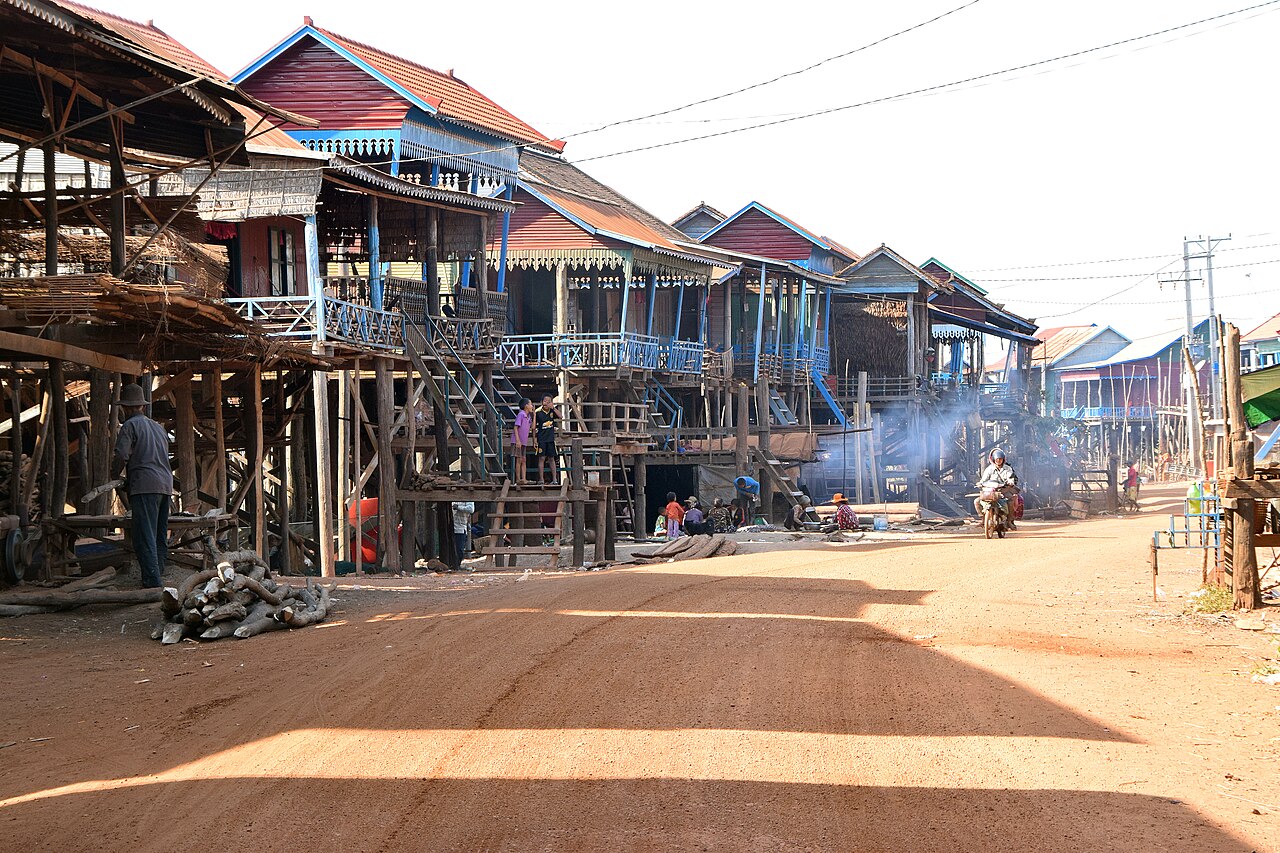
Cambodia's lowland landscapes are shaped by the Mekong and Tonle Sap river systems, and the water year sets the outer limit of any overland plan. The State Department's country information for Cambodia warns that road conditions deteriorate considerably in the rainy season, that roadside assistance is non-existent, and that the National Route highways are the only roads that can be traveled, with caution, at that time of year.
Picture the place
The itinerary moves from Angkor's sandstone temple galleries to Phnom Penh's riverfront and then into either the southern agricultural landscape or quieter central provinces.
The easily missed detail
Cambodia's current security situation makes border-crossing itineraries with Thailand a poor default recommendation. The September 2026 U.S. advisory identifies a 50-kilometer exclusion area along the border because of military tensions.
A practical rhythm
Days 1–4: Siem Reap, Angkor and local cultural experiences.
Days 5–7: Phnom Penh, including historical museums and memorial sites.
Days 8–11: Kampot or another suitable inland destination on established roads.
What could complicate the plan
The State Department recommends traveling on Cambodian roads during daylight, approximately 6:30 a.m.–5:30 p.m., because of road-safety concerns. A wet-season itinerary therefore needs to stay on the National Routes, and border-area restrictions may rule out some overland options altogether.
What to do next
Return to to select the best dates and Angkor admission option for the proposed itinerary.
Sources
- Angkor Enterprise — multi-day pass fees and validity.
- Angkor Enterprise — included archaeological circuits and ticket conditions.
- U.S. Department of State — travel restrictions and road safety.
- U.S. Department of State, Cambodia country information — rainy-season road conditions and the National Route highways.
- Tuol Sleng Genocide Museum — admission rates by age band.