Croatia country guide Trip planning
How can I plan a memorable first trip to Croatia without rushing?
The short answer
Give it two weeks and treat it as two countries — Croatia holds 10 World Heritage properties strung from the Istrian peninsula to the far south, and Zagreb to Dubrovnik is roughly 370 miles by road.
The answer, with local context
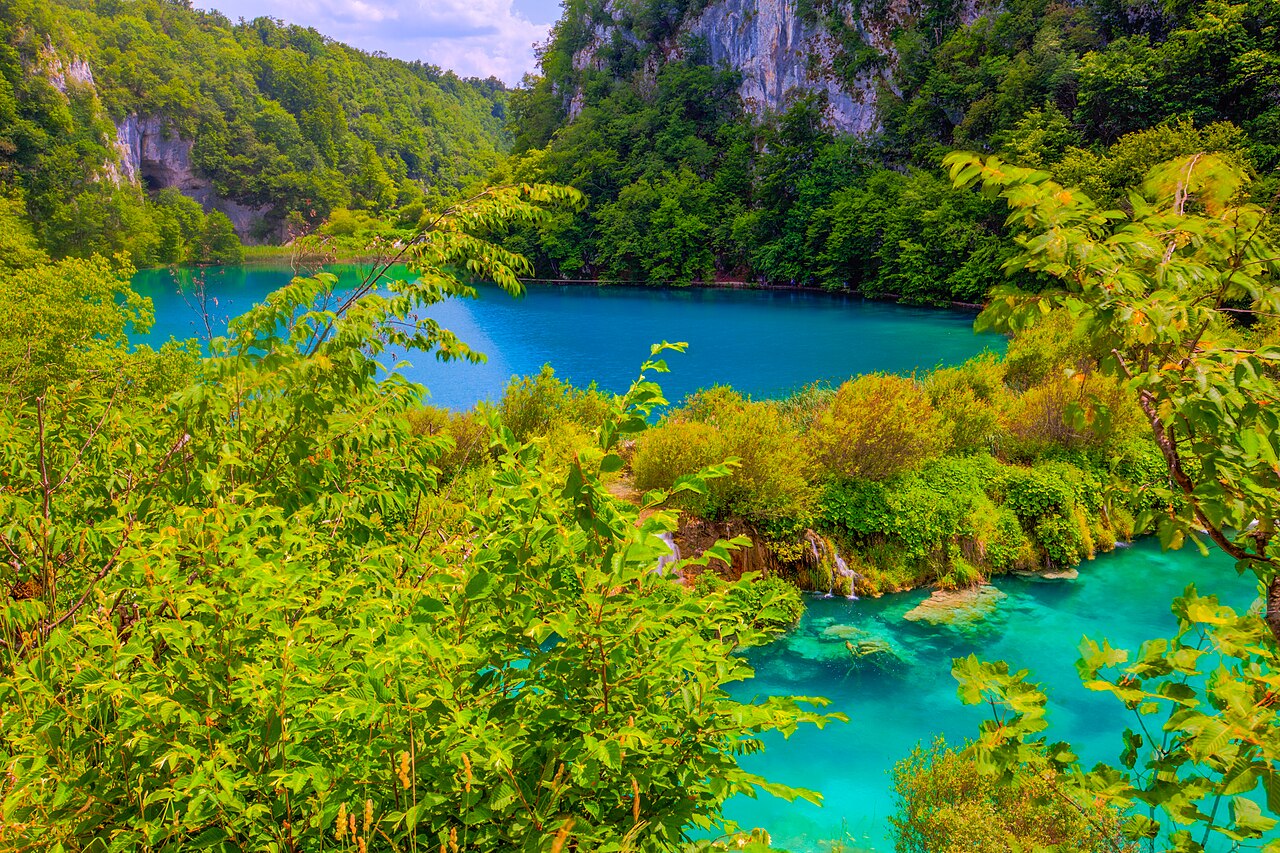
The ten inscriptions are not clustered, and that is the planning problem. They run from Poreč in the northwest to Dubrovnik in the far southeast, with Plitvice inland, Split, Trogir and Šibenik in central Dalmatia, and Hvar offshore. A fortnight lets you take Istria, the Plitvice-and-Lika interior, central Dalmatia and the Dubrovnik region in sequence. Ten days forces you to drop one, and the usual casualty is Istria, which is the half of the country least like the postcard.
Build the route one way rather than out-and-back. The A1 motorway carries most of the length of the country, and since the Pelješac Bridge opened in July 2022 the southern leg no longer requires crossing into Bosnia and Herzegovina. Island hops need to be costed in time rather than distance: a car ferry to Hvar or Mljet can consume most of a day once you add the queue and the return sailing.
Documents are straightforward for US citizens and still worth checking early. The US Department of State states that no visa is required for tourism or business stays of under 90 days within any 180-day period, that your passport must be valid for three months after your planned departure from Croatia — with the US Embassy recommending six months — and that at least one blank page is needed for the entry stamp.
Picture the place
Coming off the A1 toward the coast, the road drops through a gap in the Velebit ridge and the Adriatic appears all at once, several thousand feet below, with the long bare islands laid out in parallel offshore — the one moment on the drive where the country's geography explains itself.
The easily missed detail
Since Croatia joined Schengen, its days count against the same 90-in-180 allowance as France or Germany, and since 10 April 2026 the EU's Entry/Exit System has been fully operational, detecting overstays from registered entries and exits rather than from stamps a border officer reads by hand. A long European trip that treats Croatia as a bonus leg can therefore exceed the allowance without anyone noticing at the time — the system notices later.
A practical rhythm
- Days 1 to 4 — Istria and the Kvarner gulf; the northwest is a short, dense region and rewards being done properly rather than passed through.
- Days 5 to 8 — The interior and central Dalmatia, which is where most of the ten inscriptions sit within reach of one base.
- Days 9 to 14 — The far south, using the post-2022 bridge route, with one island and the Dubrovnik region rather than both at speed.
What could complicate the plan
Passport validity is the most common hard stop: travelers arriving with less than three months remaining may be refused entry regardless of the visa exemption. Internal distances are longer than the map suggests because the coastal road is slow and the motorway sits inland. Ferry timetables contract outside summer, which can strand an island plan built on a June schedule, and the new EES enrollment adds time at your first external border crossing into the area.
What to do next
The Croatia when-to-visit question in this group gives the seasonal detail that decides which order to run this route in, and the Croatia places-and-experiences answer covers the inscriptions themselves.
Sources
- UNESCO World Heritage Centre — Croatia's total of 10 inscribed World Heritage properties
- US Department of State, Croatia country information — visa exemption for stays under 90 days in any 180-day period, passport validity and blank-page requirements
- European Commission, Entry-Exit System — EES data, automatic stay calculation and 10 April 2026 full operation