Croatia country guide When to visit
When is the best time to visit Croatia for Dubrovnik?
The short answer
Late May to mid-June, or the second half of September — Dubrovnik's warmest month is August, where the Croatian Meteorological and Hydrological Service records a mean monthly air temperature of 77.7°F (25.4°C) over 1961–2024, and the shoulders give you the same sea without the peak.
The answer, with local context
That 25.4°C figure is a mean across the full 24-hour day, not an average daytime high: DHMZ's Dubrovnik table publishes mean and absolute maximum temperatures and does not carry a mean-maximum row at all. Afternoons in August therefore run considerably above the quoted mean, which is the part that makes the walled city hard work in high summer.
Croatia is not one climate, and a national trip has to be planned around that. The Adriatic coast and islands run on a Mediterranean pattern with hot dry summers and wet autumns, while the interior — Zagreb, Slavonia, the Lika uplands around Plitvice — behaves continentally, with genuine winters and summer thunderstorms. A July itinerary that works on Hvar is a different proposition in the mountains behind Zadar.
The country's administrative calendar changed sharply in the recent past. Croatia joined the Schengen area on 1 January 2023, which removed systematic internal border checks with Slovenia and Hungary and reshaped how an overland route across the region is timed. For US citizens the US Department of State notes no visa is required for tourism or business stays of under 90 days within any 180-day period, though registration at a local police station is required within three days of arrival, usually handled by the accommodation provider.
Picture the place
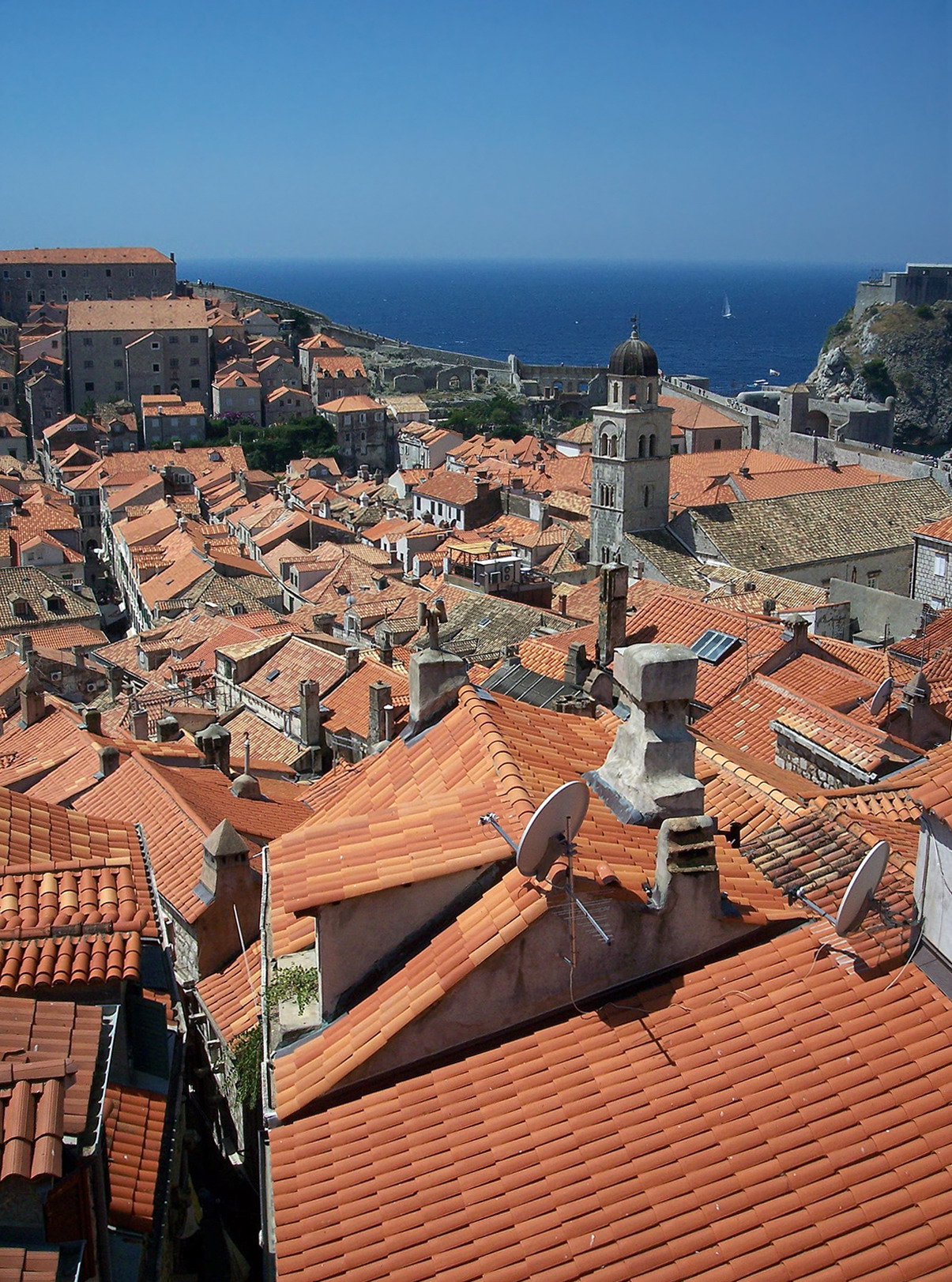
Dubrovnik's limestone absorbs and re-radiates the day's heat, so the walled city stays warm well into a September evening even as the air coming off the Adriatic turns cool — the stone, not the air, sets how the late day feels.
The easily missed detail
The city walls are open every day of the year except Christmas Day, 25 December, which makes a midwinter visit genuinely viable and is the opposite of what most Mediterranean heritage sites allow. That single closure is worth knowing if you are building a late-December trip, because it is the one date on which the headline experience of the city is unavailable.
A practical rhythm
- Late May to mid-June — Coast and interior both comfortable; the only period when a Dubrovnik-and-Plitvice itinerary works without compromise at either end.
- July to August — Peak heat on the Adriatic, with Dubrovnik's monthly mean at its 25.4°C maximum; plan the walls for first light and the middle of the day for shade or water.
- Late September to October — Sea still warm, interior crisp, and the continental half of the country at its best for walking.
What could complicate the plan
The US Department of State's country information for Croatia advises travelers to exercise normal precautions, and it is explicit that passports must be valid for three months beyond the planned departure date, with the US Embassy recommending six months of validity; travelers with less remaining may be denied entry. At least one blank page is needed for an entry stamp. Schengen membership also means Croatia now counts toward the same 90-in-180 allowance as the rest of the area, so a long multi-country trip can run out of days in Croatia rather than in it.
What to do next
For the places that make the interior worth the detour, read the Croatia places-and-experiences question in this group; the Dubrovnik city group covers the walled town's own seasons and hours in detail.
Sources
- Croatian Meteorological and Hydrological Service (DHMZ) — Dubrovnik's warmest month and its mean monthly air temperature, 1961–2024
- US Department of State, Croatia country information — advisory wording, passport validity and blank-page requirement, visa exemption and police registration
- Society of Friends of Dubrovnik Antiquities — the city walls' single annual closing day
- European Commission — Croatia's accession to the Schengen area on 1 January 2023