Czechia country guide Trip planning
How can I plan a memorable first trip to Czechia without rushing?
The short answer
Ten days, two bases, one car — Czechia has been in the Schengen area since 21 December 2007 and is compact enough that Prague to Brno is roughly 130 miles, so the trip succeeds or fails on how little you move.
The answer, with local context
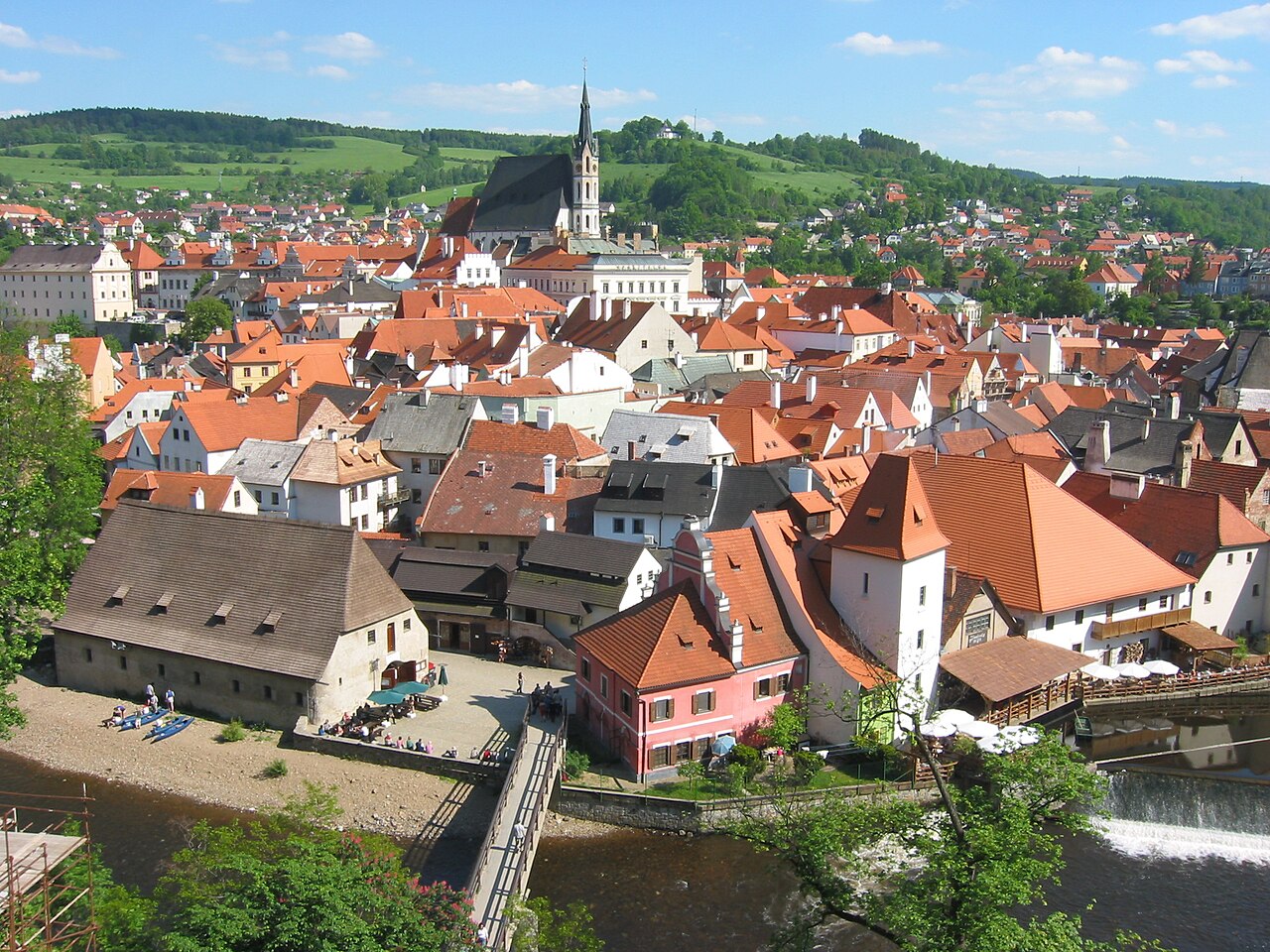
The country is small and the temptation is to treat it as a series of day trips from the capital. That wastes the best of it. A better shape is four or five nights in Prague, then a second base in southern Bohemia or southern Moravia, with the drive between them doing the sightseeing. Český Krumlov is about 105 miles south of Prague; Brno, the Moravian capital, around 130 miles southeast. Neither is a day trip done well.
Prague itself rewards a slower clock than most visitors give it. The castle complex grounds are open from 06:00 to 22:00 every day of the year, which means the ridge, the lanes and the views are available long before the ticketed interiors open at 09:00 and long after they close. Using that window is the single biggest difference between a crowded Prague and a quiet one, and it costs nothing.
Money is simpler than in much of the region. Czechia is in the EU and Schengen but has kept the Czech koruna rather than adopting the euro, so the Czech National Bank sets monetary policy independently and euro cash is not the local currency. Card acceptance is near-universal in cities and patchier in villages.
Picture the place
Walking onto the castle ridge before the ticket offices open, the Old Town spreads out below with the river threading through it, and the only sounds are the gates being unlocked and the first trams climbing on the far bank.
The easily missed detail
Since 10 April 2026 the EU's Entry/Exit System has been fully operational and has replaced passport stamping at external borders for non-EU short-stay travelers, registering fingerprints and a facial image and calculating the length of legal stay automatically. Because Czechia has been inside Schengen since December 2007, arriving overland from Germany, Austria, Poland or Slovakia involves no border formality at all — your enrollment happens at whichever external border you first cross into the area, which may be nowhere near Czechia.
A practical rhythm
- Days 1 to 4 — Prague, using the 06:00 to 22:00 castle grounds for the early and late hours and the ticketed interiors in between.
- Days 5 to 7 — Southern Bohemia, about 105 miles from the capital, as a base rather than an excursion.
- Days 8 to 10 — Southern Moravia and Brno, roughly 130 miles from Prague, for the wine country and a city that behaves nothing like the capital.
What could complicate the plan
Rail and bus links are good between cities and thin between villages, so a trip built on Holašovice-scale places needs a car. The EES enrollment adds time at your first crossing into the Schengen area, and the 90-days-in-180 short-stay allowance applies across all 29 participating countries rather than to Czechia alone, so a long multi-country itinerary can exhaust it. Keep some koruna in cash for rural sites and small pubs that do not take cards.
What to do next
The Czechia when-to-visit answer in this group gives the Prague climate record and castle opening seasons; the Czechia places-and-experiences question covers what fills those two bases.
Sources
- European Commission, Entry-Exit System — EES scope, data registered, 29 participating countries and 10 April 2026 full operation; Czechia's Schengen accession on 21 December 2007
- Prague Castle Administration — castle complex grounds open 06:00 to 22:00 and historical buildings from 09:00
- Czech National Bank — Czechia's retention of the Czech koruna as its currency