Dolomites / Italy When to visit
When should I visit Dolomites, Italy, for the best experience?
The short answer
The first half of September — every lift and rifugio is still open, the high trails are dry, the August crowds have halved, and Lago di Braies' car restrictions end on September 15.
The answer, with local context
The Dolomites run on an infrastructure season, not just a weather one, and a first visit must land inside it. The rifugi (CAI and private mountain huts) mostly open around June 20 and close between mid-September and early October; the lift systems that make the high country day-trippable — Seceda above Ortisei, the Alpe di Siusi gondolas, Lagazuoi above Cortina — turn from mid-June into early October, with the exact dates published each year by the Dolomiti Superski lift consortium and the individual lift companies. Outside that window the landscape remains but the machinery of visiting it — huts, lifts, valley buses — shuts down. September's first half sits at the window's sweet end: a typically stable, high-pressure season with afternoon highs in the valleys near 70°F (21°C), the trails snow-free to 9,800 feet (3,000 m), and the enrosadira — the alpenglow that sets the pale mountains rose at dusk, the Dolomites' namesake spectacle — at its most reliable in the clear autumn air.
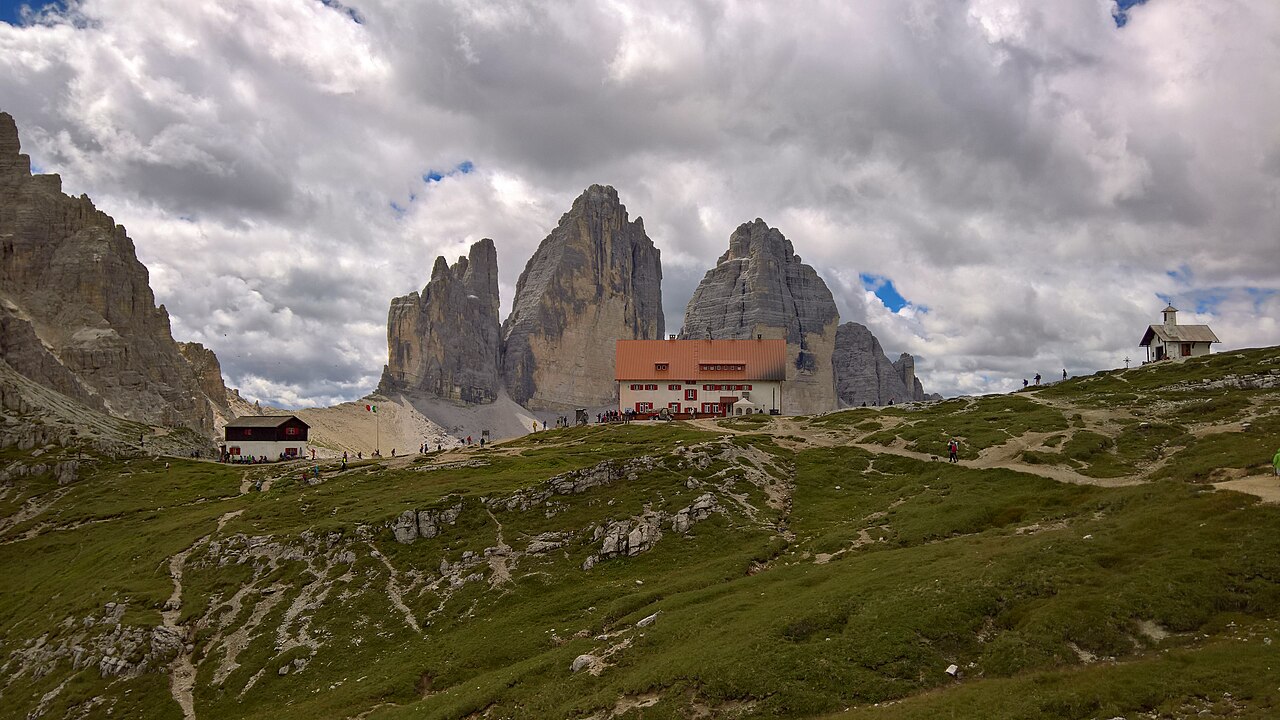
The month's other gift is regulatory. The summer of 2026 confirmed the region's new pattern of managed access: from July 1 to September 15, 2026 the Braies valley was closed to cars between 9:00 a.m. and 4:00 p.m. except by online reservation or bus, and the Rifugio Auronzo toll road under the Tre Cime required a pre-booked €40 car slot. Mid-to-late September keeps one foot in that system (book the Tre Cime slot whenever you go in season) but steps past the Braies restrictions as they lapse — and well past August, when the Tre Cime road alone was absorbing 7,000–8,000 visitors on peak days. September also brings the Almabtrieb, the ceremonial descent of the cattle from the high pastures, celebrated with flower-decked herds in valleys like Villnöss and the Pusteria through mid-to-late September.
The rival window is late June: the alpine flowers peak, the longest days of the year light the trails till 9 p.m., and the Sellaronda Bike Day in mid-June closes the four Sella passes to motor traffic for a cyclists' festival. June loses on weather reliability at altitude — lingering snowfields cross the high passes — and on the rifugi not all being open until the month's end. July and August give the surest sun at the cost of the year's crowds, prices and reservation warfare. Choose September, and count the larches a loss accepted: their famous gold arrives in mid-to-late October, when the huts are shut and the high season of the mountains is over.
Picture the place
A September dusk at Lago di Sorapis or the Seceda ridge: the day-walkers gone, the rifugio terrace holding a dozen people, and the whole pale range turning rose, then violet, then grey — the enrosadira doing its slow nightly chemistry on the stone.
The easily missed detail
The managed-access era is the trip-planning fact of the decade here. Under the published rules in force in the 2026 season, the Tre Cime toll road (Misurina to Rifugio Auronzo) is by online reservation only — a €40 fee buys a 12-hour car slot, bookable via the Auronzo pass portal about 30 days ahead — and the Braies valley's daytime restrictions return each summer on dates announced in spring. September travelers who book the first and check the second will experience these famous places in their emptiest lawful state.
A practical rhythm
- Anchor on the rifugi calendar — Travel between about September 1 and 15, while hut kitchens and lifts run their full rosters
- Book the car slots when they open — Tre Cime's Auronzo reservation (~30 days out) before hotels, if driving; Braies by bus to skip the question
- Two bases, east and west — Cortina or Dobbiaco for the Tre Cime and Braies; Val Gardena for Seceda, the Sella and Alpe di Siusi
What could complicate the plan
The season's edges move: individual rifugi publish their own closing dates (some shut by mid-September), and the first autumn snow can fall on the passes before September ends — the high via ferrata routes become serious undertakings overnight. The Milano-Cortina Winter Olympics of February 2026 have left the Cortina area with rebuilt infrastructure and elevated prices and demand that may persist into the following seasons. And "first half of September" includes the Ferragosto tail in its first days in Italian holiday culture — the valleys empty properly only after the month's first weekend.
What to do next
Set dates in the September 1–15 window, book the Tre Cime car slot the day reservations open, and plan rifugio dinners in advance — hut kitchens feed residents first.
Sources
- UNESCO World Heritage Centre — The Dolomites, inscribed 2009: nine component systems of the pale mountains across the provinces of Belluno, Bolzano, Trento, Pordenone and Udine
- Auronzo di Cadore / pass.auronzo.info — the Tre Cime toll road: €40 per car for a 12-hour slot, mandatory online pre-booking in season
- Braies valley tourism (Valle di Braies) — the summer car restriction (July 1–September 15, 2026, 9:00 a.m.–4:00 p.m.): entry by bus, on foot, by bike, or with an online reservation (combined ticket €44 including parking and a €22 local voucher)
- Dolomiti Superski / lift companies — lift and rifugio season calendars (mid-June to early October for the main summer network)