Galápagos Islands / Ecuador When to visit
When should I visit Galápagos Islands, Ecuador, for the best experience?
The short answer
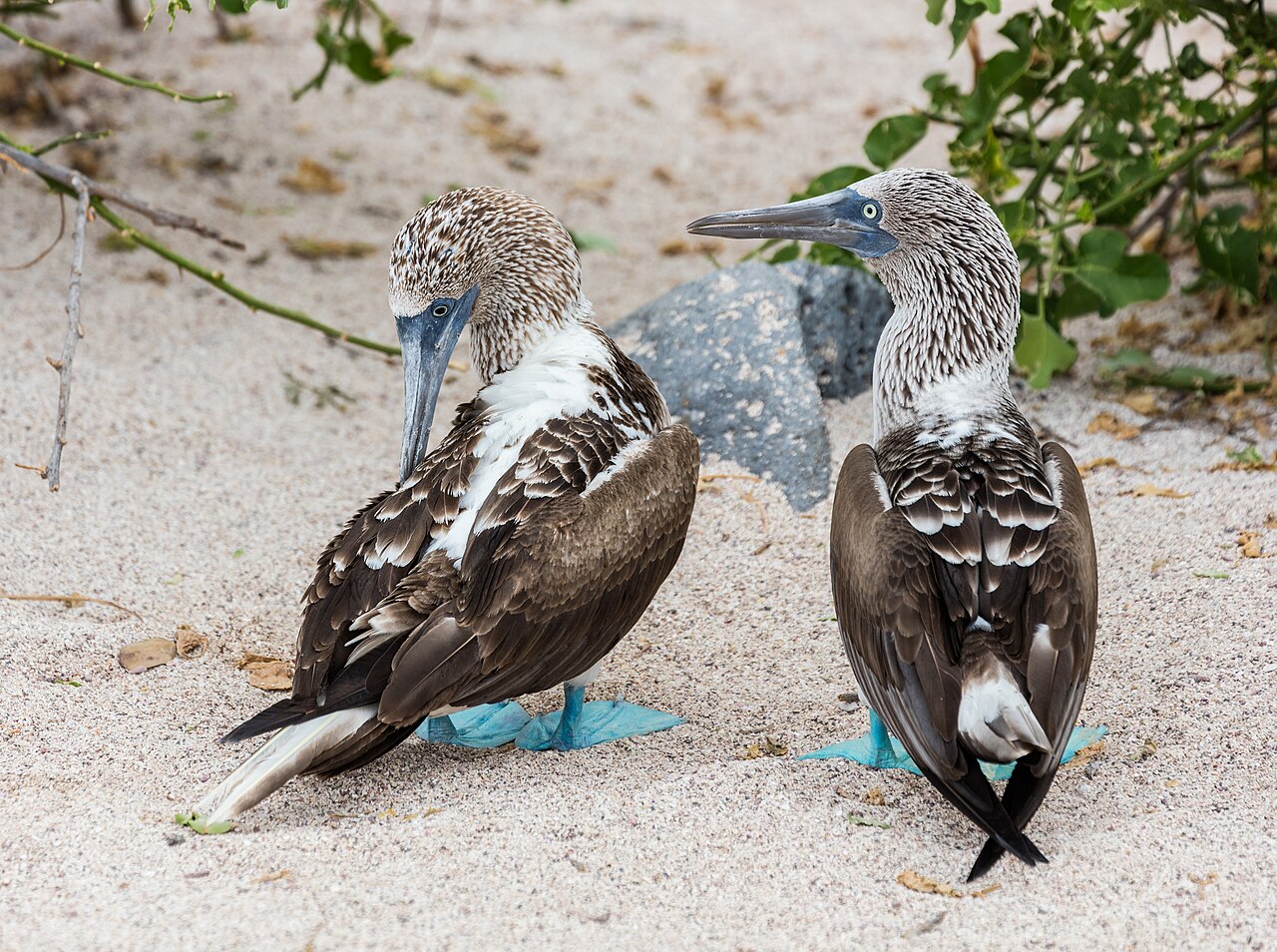
May — the warm season's water has not yet given up its clarity, the blue-footed boobies have started dancing on North Seymour, the frigatebirds are displaying on Genovesa, the albatrosses are back on Española, and the crowds and prices are at their lowest of the year.
The answer, with local context
The Galápagos run two seasons, and the honest secret is that the wildlife calendar matters more than the weather chart. From December to May the warm season brings calm seas and the year's clearest water; from June to November the garúa brings the cold Humboldt upwelling, misty highlands and the richest feeding. The park's own visitor rules hold in every month — reissued on January 29, 2024, they require that every visit inside the protected area be made with an authorized naturalist guide, that visitors keep at least 2 meters (6.5 feet) from the animals, and that nothing be touched or fed — so the experience is structured by the park year-round, and what changes with the month is which animals are performing.
May is the hinge, and the Galapagos Conservation Trust's month-by-month calendar shows why. On North Seymour the blue-footed boobies begin their courtship dances in May, sky-pointing and high-stepping in view of the trail. On Genovesa the great frigatebirds' courtship is in full swing, males inflating scarlet throat pouches from the saltbush. The waved albatrosses have returned to Española, where they arrive from late March and April to breed through December. And the sea is still holding warm-season manners: the roughest, coldest water belongs to August, when the Trust records sea temperatures at their annual low around 64°F (18°C) and the air at its coolest.
The rest of the calendar prices the alternatives. January brings the marine iguanas' mating colors — on Española the males turn red and green, earning them the name Christmas iguanas — and February the calmest, clearest water of the year, with flamingos nesting on Floreana and the first frigatebird pouches on North Seymour. March is the warmest month of all, glorious in the water and steamy on land. August opens the sea lion pupping season in the western and central islands, and September puts the Galápagos penguins at their most active around Bartolomé — but both months carry peak garúa seas. Giant tortoise eggs hatch from December to April, which makes the warm months the season of hatchlings at the breeding centers.
Picture the place
On North Seymour in May the trail threads through nesting frigatebirds close enough to hear the males' pouches trembling with their rattling calls, while twenty paces on, a pair of boobies performs the full ceremony — the male presenting a twig, both birds sky-pointing, whistling and honking over feet of an improbable, electric blue.
The easily missed detail
The month also decides the boat, not just the wildlife: park regulations fix every cruise vessel to an approved rotating itinerary, so the same yacht visits different islands in different weeks of the month. A May departure on the wrong rotation can miss Española entirely — check the itinerary's island list against your priority species before you fall in love with a date, because the albatrosses' island is on some rotations and not others.
A practical rhythm
- Morning — Landings start early by park schedule: the dawn visit is the cool one, with the birds active and the light on the lava before the equatorial sun flattens it.
- Midday — The middle hours belong to the water — the snorkel session, when May's still-clear sea and strengthening light give the year's best combination of warmth and visibility.
- Evening — May evenings are the briefings and the early dark of the equator: dinner aboard or ashore in Puerto Ayora, tomorrow's visitor site announced, and the sea lions already asleep on the town's benches.
What could complicate the plan
May's one condition is that it is a shoulder: a late-season rain shower is normal, and the garúa can arrive early in a cold year. The El Niño forecast for 2026–27, flagged in this library's Ecuador timing answer, hangs over the warm-season breeding most of all — in strong events the frigatebirds and boobies abandon nests. And the cruise rotations mean availability, not desire, often picks the week: book the itinerary first and the month second, in that order.
What to do next
Aim for a May departure whose rotation includes Española and North Seymour, and read the things-to-do answer next for the sites that make the calendar real.
Sources
- Galápagos National Park Directorate, visitor rules (reissued January 29, 2024) — visits inside the protected area only with an authorized naturalist guide; minimum distance of 2 meters from wildlife; no touching or feeding
- Galapagos Conservation Trust, wildlife calendar — booby courtship beginning on North Seymour in May; frigatebird courtship in full swing on Genovesa; albatrosses returning late March–April; August the coolest month with seas around 64°F (18°C); tortoise eggs hatching December–April
- UNESCO World Heritage Centre — the Galápagos property, extended in 2001 to embrace the marine reserve surrounding the islands