Haiti country guide Food and drink
What local dishes should I try in Haiti, and where should I look for them?
The short answer
Joumou soup, which UNESCO inscribed on the Representative List of the Intangible Cultural Heritage of Humanity in 2021 — and the single best date to eat it is 1 January, when it is served as the first meal of the year.
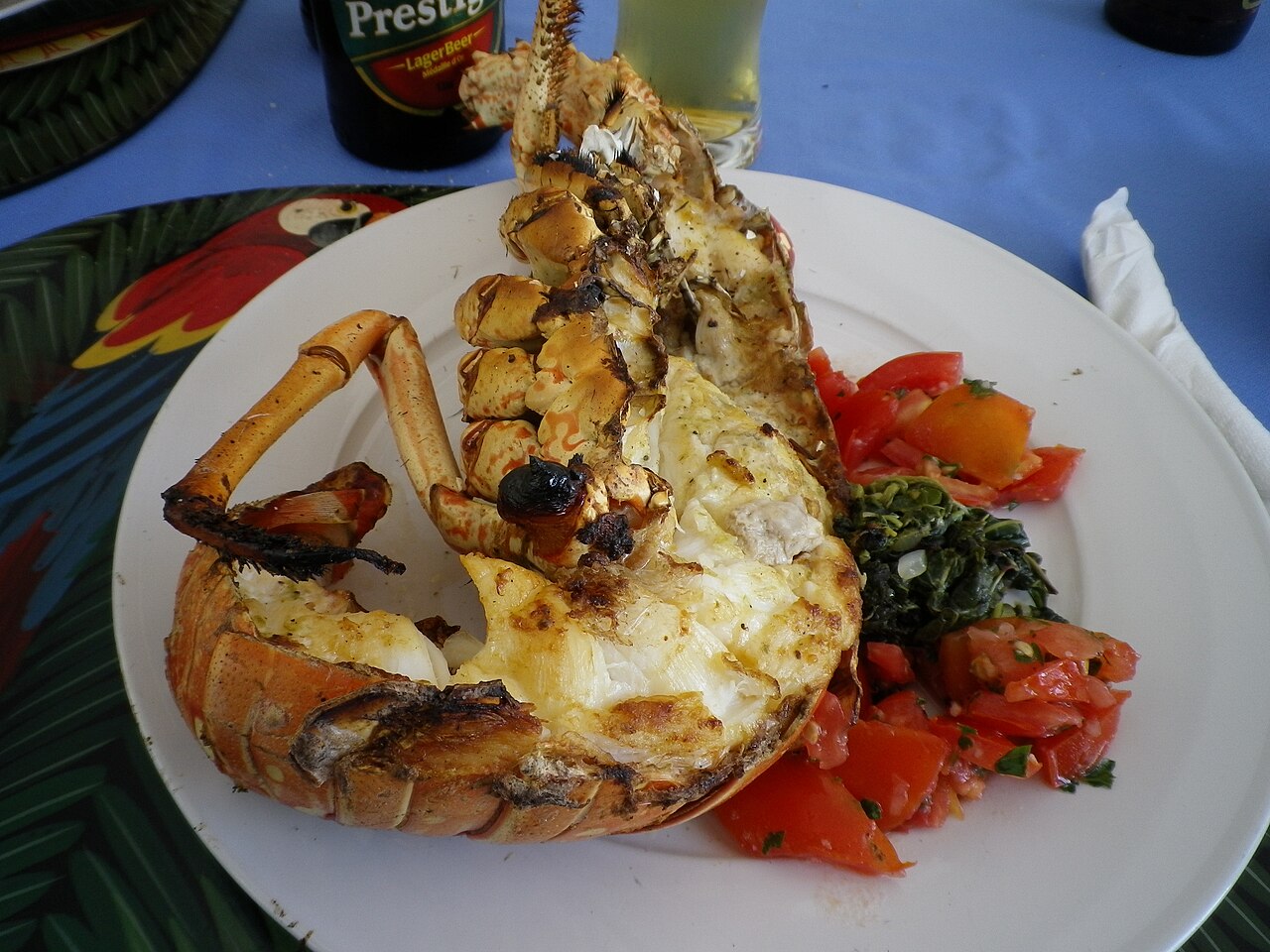
The answer, with local context
The inscription file, numbered 01853 and considered at the 16.COM session in 2021, was submitted by Haiti alone. UNESCO describes joumou soup as a celebratory dish built on giraumon, a pumpkin variety once cultivated by the Caribbean's Indigenous peoples, cooked with vegetables, plantains, meat, pasta and spices. Beyond Independence Day it carries a weekly rhythm too: the file records it as a traditional Sunday breakfast, which means you do not need to be in the country on 1 January to find it being made properly.
Practical mechanics matter more in Haiti than in most places. The Commerce Department's commercial guide notes that French and Haitian Creole are the official languages, with English widely used in business circles. On money, it records the gourde at about 135 HTG to 1 US dollar as of September 2023, and flags a quirk that catches visitors: a 2020 decree requires prices to be quoted in gourdes, but enforcement is weak, and some stores still price in "Haitian dollars" at a rate of 5 gourdes to 1. A menu number can therefore mean two very different amounts.
Hours shape where you eat. The same guide puts retail closing at 6:00 p.m. and supermarkets at roughly 7:00 or 8:00 p.m., so evening food shopping is a narrower window than in a US city, and restaurant-dependent evenings are the norm rather than the exception.
The easily missed detail
Water-borne illness is a live consideration, not a general caution. The Commerce Department guide records that cholera resurged in October 2022, and that as of 5 October 2023 Haiti's Ministry of Public Health and Population had reported 64,618 suspected cases, 3,949 confirmed cases and 922 deaths since the outbreak began. That figure is what should drive decisions about ice, raw produce and untreated water, rather than any general rule of thumb.
A practical rhythm
- Sunday morning — The one recurring slot UNESCO documents for joumou outside Independence Day; it is a breakfast dish, not an evening one.
- Before 6:00 p.m. — Retail shuts at 6, so anything you want to buy rather than be served has to happen in the afternoon.
- Price check first — Ask whether a figure is gourdes or "Haitian dollars" before ordering; the 5-to-1 convention is the difference.
What could complicate the plan
Bringing food in is regulated. The FCDO records that Haiti enforces strict customs rules and that anything prohibited, taxable or subject to duty must be declared. It also notes a yellow fever vaccination certificate is required of travelers arriving from a country listed as a transmission risk, which is a document, not a recommendation. Medical facilities outside the capital are very limited, and the Commerce Department guide records that providers often expect immediate cash payment — relevant if anything you eat disagrees with you.
What to do next
The Haiti trip-planning answer in this guide covers the entry fee, the green card system and the 90-day limit; the when-to-visit answer explains why the drier months make the north easier to reach.
Sources
- UNESCO Intangible Cultural Heritage, Joumou soup — inscription year, session, file number, submitting state, ingredients, 1 January and Sunday practice
- US International Trade Administration, Haiti Country Commercial Guide: Business Travel — languages, exchange rate, 2020 pricing decree, Haitian dollar convention, retail and supermarket hours, cholera figures, payment practice
- UK Foreign, Commonwealth and Development Office, Haiti entry requirements — customs declaration rules, yellow fever certificate