Hokkaido / Japan When to visit
When should I visit Hokkaido, Japan, for the best experience?
The short answer
Late June through August suits Hokkaido’s flower fields and cooler summer sightseeing, while January–February is the choice for snow sports; the best month changes dramatically between Sapporo, Furano, Niseko and Shiretoko.
The answer, with local context
Japan Meteorological Agency normals for 1991–2020 show how unlike Tokyo this northern island can be. In Sapporo, the mean temperature is approximately −3.2°C (26.2°F) in January, 13°C (55.4°F) in May, 21.1°C (70°F) in July, and 22.3°C (72.1°F) in August. Those figures describe Sapporo, not a universal temperature for mountains, the eastern peninsula or higher-altitude resorts. Winter is a real snow season, with different access needs from summer road travel.
For a summer itinerary, connect Sapporo with Furano’s flower-growing districts, and consider a coastal extension toward Otaru or a longer eastern trip. For skiing or powder snow, Niseko and other winter resorts require equipment, transport and weather planning rather than simply a city hotel. The Sapporo Snow Festival, typically held in February, is a notable winter event, although specific dates and sites change annually.
The strongest geographic contrast lies farther east at Shiretoko, inscribed on UNESCO’s World Heritage List in 2005. It is recognized for an ecosystem influenced by seasonal sea ice and its associated marine-terrestrial food web. Its trails and wildlife areas have separate seasonal access and bear-safety procedures. For autumn color, look toward late September and October at elevations and locations appropriate to the specific route, not a single island-wide peak date.
Picture the place
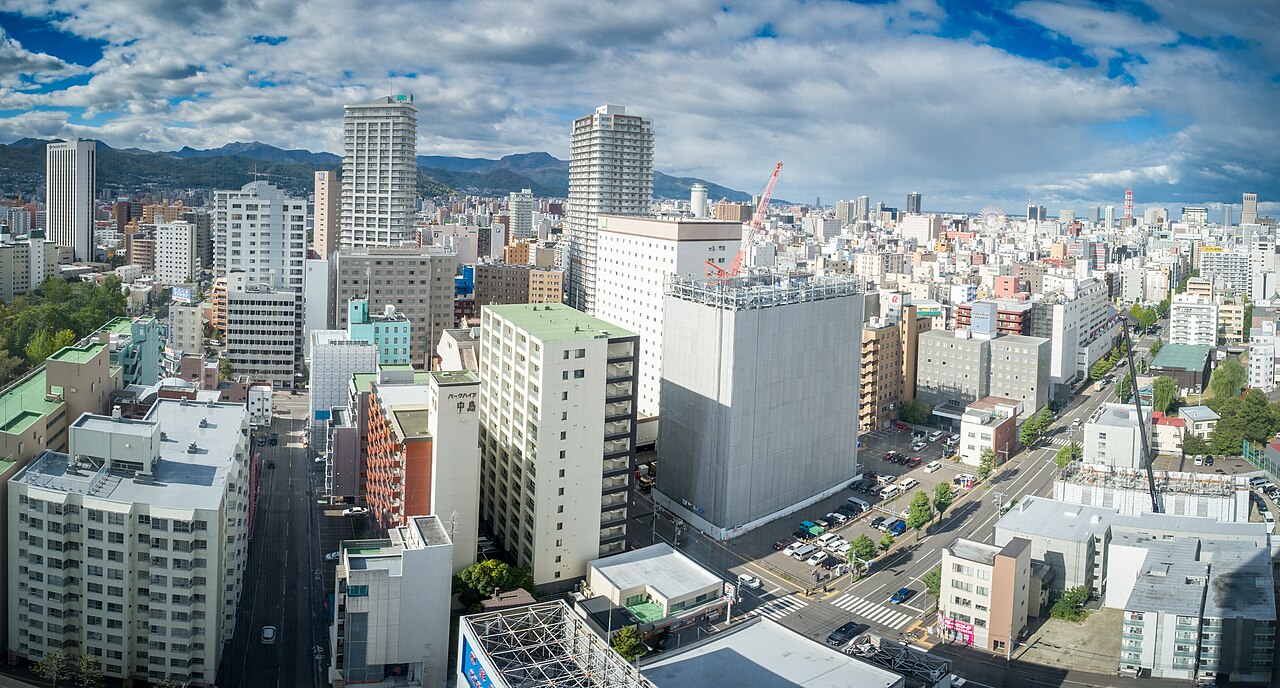
Summer brings flower fields and green hills to inland Hokkaido; in winter Sapporo’s streets, mountains and ski resorts take on a very different snow-covered appearance.
The easily missed detail
The UNESCO-listed Shiretoko Peninsula is not a sightseeing district in Sapporo. Building it into the trip may require a separate long eastern leg, with seasonal access rules different from those of the western cities.
A practical rhythm
- Summer morning — Visit flower landscapes near Furano or outdoor areas near your regional base.
- Summer afternoon — Use Sapporo or Otaru for urban sightseeing and a local meal.
- Winter day — Schedule a planned ski or snow event day, accounting for snowfall and transport changes.
What could complicate the plan
Snowfall can disrupt rail and road movement in winter, while eastern nature trails may limit access for bear activity or weather. Shiretoko’s marine and land excursions operate by season; don’t assume a summer activity is offered during the sea-ice period.
What to do next
explains which Hokkaido regions deserve time, and connects the main bases to their distinctive dishes.
Sources
- Japan Meteorological Agency — Sapporo 1991-2020 temperature normals
- UNESCO World Heritage Centre — Shiretoko world heritage and seasonal sea ice
- Hokkaido Official Tourism Site — Sapporo, Otaru, Niseko and food
- U.S. State Department — national entry conditions