Hokkaido / Japan Food and drink
Where should I eat in Hokkaido, and which local food or drink is worth trying?
The short answer
Eat Sapporo miso ramen and soup curry in the capital, seafood in coastal markets, and regional dairy or grilled lamb dishes inland; Hokkaido’s food geography extends beyond one famous bowl of noodles.
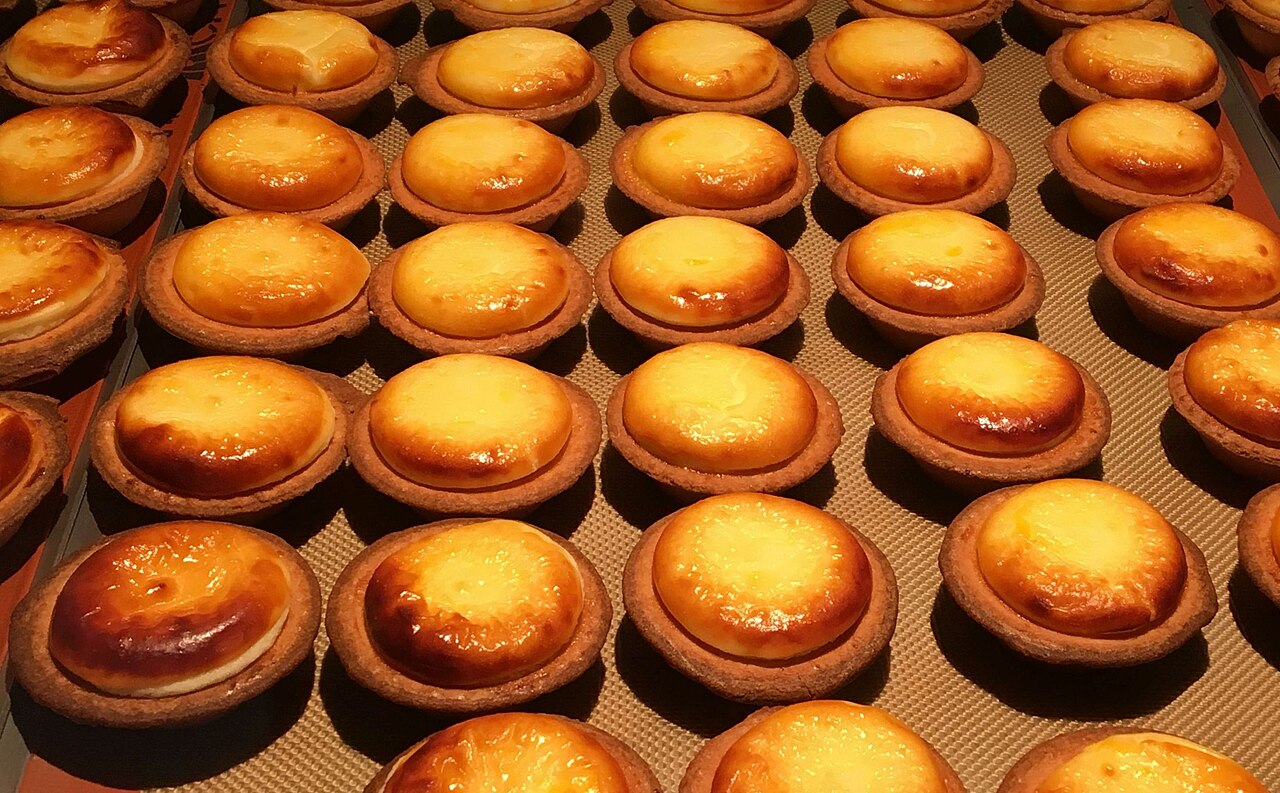
The answer, with local context
Sapporo miso ramen is closely associated with the capital, with a fermented-soybean broth that distinguishes it from many other Japanese ramen styles. Soup curry, another Sapporo specialty, uses a comparatively broth-like spiced curry with vegetables and optional meat. Jingisukan refers to grilled mutton or lamb, often cooked at the table. These dishes are among those featured in official Hokkaido tourism food guides.
At the coast, fish markets provide a different kind of meal: bowls of rice topped with seafood, local shellfish where available, and fish preparations linked to the surrounding waters. Otaru and Hakodate are useful towns for this maritime part of Hokkaido’s food culture, though market-specific schedules differ. Inland, Furano and other agricultural areas are associated with dairy products, produce and seasonal crops. Hokkaido’s more northerly climate and agricultural landscape are part of why those products are so visible in regional branding.
Winter food planning has its own practical side. Sapporo averages about −3.2°C (26.2°F) in January on the Japan Meteorological Agency’s 1991–2020 normals, while July averages roughly 21.1°C (70°F). Warm noodle dishes are welcome in cold months, but they are not restricted to winter menus. For a first visit, prioritize food that matches where you will actually stay rather than assigning a single famous Hokkaido dish to every town.
Picture the place
A steaming bowl of miso ramen contrasts with a broth-like bowl of soup curry, while seafood markets offer a completely different display of local ingredients.
The easily missed detail
Jingisukan is a lamb or mutton grilling preparation, not the name of a particular Hokkaido restaurant. Likewise, a seafood rice bowl is a category whose contents depend on the day’s catch and vendor.
A practical rhythm
- Sapporo lunch — Try a dedicated miso-ramen shop or soup-curry specialist.
- Coastal stop — Visit an operating fish market for a seafood rice bowl or a local fish dish.
- Evening — Arrange a jingisukan meal, or choose a seasonal dairy-based dessert if a grilled-meat meal is not appealing.
What could complicate the plan
Seafood allergens, raw-fish handling and lamb/mutton preferences warrant specific questions to the restaurant. Popular stalls can sell out and some markets close earlier than evening restaurants. No named vendor is represented here as having verified current hours.
What to do next
helps choose regional stops where these foods are accessible, while covers the seasonal differences.
Sources
- Japan Meteorological Agency — Sapporo 1991-2020 temperature normals
- UNESCO World Heritage Centre — Shiretoko world heritage and seasonal sea ice
- Hokkaido Official Tourism Site — Sapporo, Otaru, Niseko and food
- U.S. State Department — national entry conditions