Honduras country guide Food and drink
What local dishes should I try in Honduras, and where should I look for them?
The short answer
Eat baleadas from north-coast street stands, sopa de caracol and machuca in Garifuna villages on the Caribbean, a plato típico with carne asada inland, and drink highland coffee in Marcala and Copán, where Honduras's six coffee regions begin.
The answer, with local context
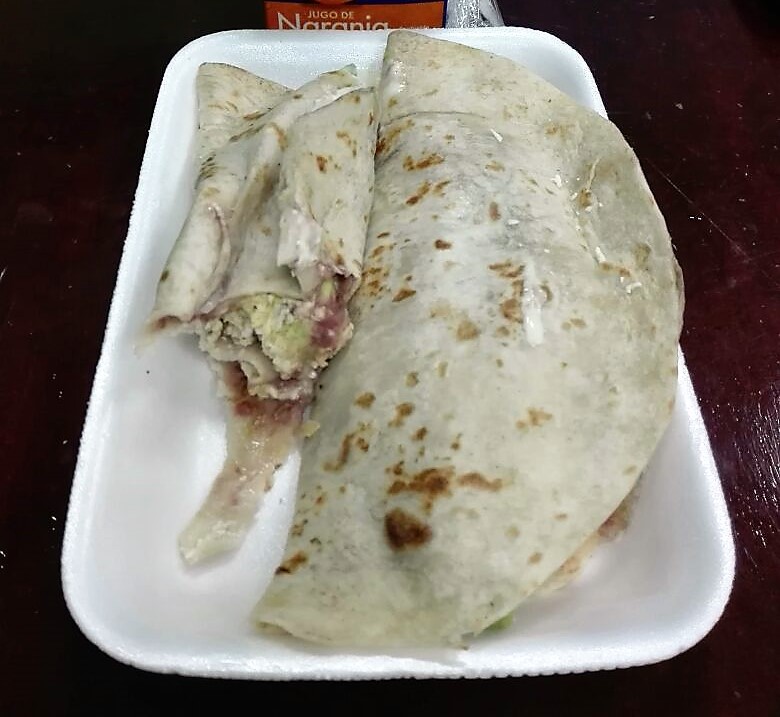
Honduras's national dish fits in one hand. A baleada is a thick, soft flour tortilla spread with refried red beans, crumbled cheese and mantequilla — the local sour cream — and folded in half; a sencilla is that classic version, and "con todo" adds egg, avocado and meat. It was born as banana-worker food on the north coast in the early 1900s, and both La Ceiba and San Pedro Sula claim its invention; the name, folklore insists, honors a La Ceiba vendor who survived being shot (baleada means "shot woman") and was back selling the next day. The dish is so central that Honduras marks a National Baleada Day on the third Saturday of June (observed since 2018). Eat them where they were invented: at painted street stands and baleada chains in La Ceiba and San Pedro Sula, made to order on a comal while you watch, at any hour from breakfast to midnight.
The Caribbean coast cooks from a different pantry. Sopa de caracol — queen conch simmered in coconut milk with yuca, green banana and culantro — is the signature soup of the Garifuna and Afro-Caribbean communities around La Ceiba, Tela and the Bay Islands, a dish famous enough to carry a hit song: Banda Blanca's "Sopa de Caracol" (1991) took it around the world. In Garifuna villages like Sambo Creek and Triunfo de la Cruz, order it with machuca (also called hudut): green and ripe plantain pounded to a dense mash, served in a fish-and-coconut broth. Inland, the plate changes to the plato típico — carne asada grilled over wood, tajadas of fried plantain or green banana, beans, rice, cuajada cheese and corn tortillas — the standard of roadside comedores from Santa Rosa de Copán to Tegucigalpa, with montucas (sweet fresh-corn tamales) and rosquillas en miel, corn-and-cheese rings soaked in honey, as the highland sweets.
Drink what the west grows. Honduras is the largest coffee producer in Central America, and about 95 percent of it comes from small family farms. The national coffee institute IHCAFE divides the country into six producing regions — among them Copán, Opalaca, Montecillos and Agalta — and the town of Marcala holds a distinction no neighbor matched first: its Café Marcala was the first coffee denomination of origin registered in Central America (2005). Order the local harvest in the cafés of Marcala, Santa Rosa de Copán and Copán Ruinas, minutes from the farms themselves.
Picture the place
A La Ceiba baleada stand at 7 a.m.: tortillas puffing on a blackened comal, a ladle of beans, a snowfall of grated cheese, dock workers and schoolkids eating standing up with the tortilla folded in a square of paper.
The easily missed detail
The Honduran breakfast table's "mantequilla" is not butter at all — it is a tangy, pourable cultured cream closer to crème fraîche, and it appears on baleadas, fried plantains and beans alike. Visitors who translate the word literally and expect butter misunderstand half the menu; the other dairy to know is cuajada, a fresh salty curd cheese served in slabs with beans.
A practical rhythm
- Baleadas at a stand, not a sit-down — Order a sencilla first, then a con todo, at a busy north-coast stall where the comal never cools
- The coast for coconut cooking — Save sopa de caracol and machuca for a Garifuna village near La Ceiba or Tela, cooked to order with the day's conch
- Coffee at origin — Drink the current harvest in Marcala or the Copán valley, and buy beans there rather than at the airport
What could complicate the plan
Sopa de caracol is a special-occasion soup: it appears daily in tourist restaurants but is made best — and sometimes only — on weekends and during Lent in Garifuna communities, and it depends on the conch catch. Baleada quality collapses away from a hot comal, so the dish disappoints in hotel buffets. Coffee region names are protected designations; a bag labeled "Honduran" in a souvenir shop may be none of the six regions' coffee at all.
What to do next
Start every north-coast morning with a baleada, plan one Garifuna lunch near La Ceiba for the soup and machuca, and route one afternoon through a Marcala or Copán café.
Sources
- El Heraldo (Honduras) — National Baleada Day, third Saturday of June, observed since 2018; north-coast origin accounts including La Ceiba
- IHCAFE (Instituto Hondureño del Café) — six coffee regions; Honduras as Central America's largest coffee producer, about 95 percent smallholder-grown
- Denominación de Origen Café Marcala — the first coffee denomination of origin registered in Central America, 2005
- Secretaría de Cultura / Garifuna community sources — sopa de caracol and machuca (hudut) as Garifuna dishes of the La Ceiba–Tela coast