Honduras country guide When to visit
When is the best time to visit Honduras for Copan ruins?
The short answer
February — Honduras's driest month nationally, when Copán's plazas are dry underfoot, its mornings are cool, and the Bay Islands are enjoying their clearest diving of the year.
The answer, with local context
Honduras has two weather systems sharing one calendar. The highlands and Pacific slope, including Copán in the far west, run a clean dry season from about November to April, while the Caribbean coast and Bay Islands stay humid year-round with their wettest months in October and November. February is the one month both systems agree on: it is statistically the driest month of the year in Honduras, dive visibility off Roatán and Útila peaks between January and March, and the highland interior is warm by day and genuinely cool at night. A trip built in February can honestly combine Copán, the north coast and the islands without gambling on any of them.
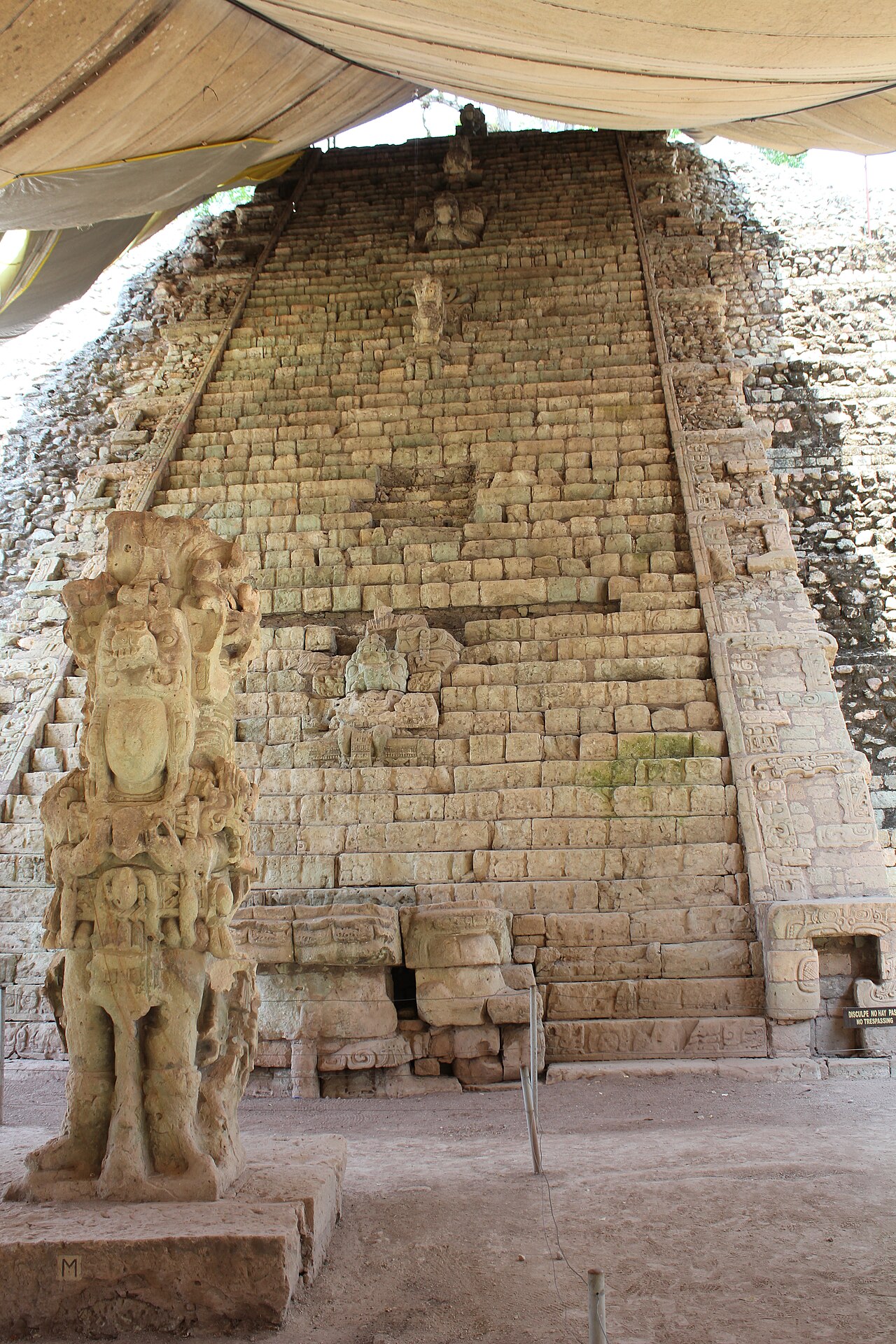
At Copán itself the season matters in specific ways. The ruins sit at about 2,000 feet (600 m) in a river valley in the department of Copán, and dry-season mornings start in the 60s°F before afternoons reach the low 80s°F — comfortable for a site you explore entirely on foot and mostly without shade. The published rules reward an early start in any month: the Copán Archaeological Park, managed by the Honduran Institute of Anthropology and History (IHAH), opens daily from 8:00 a.m. to 4:00 p.m., and the foreign-visitor entry of US$20 covers the archaeological park and Las Sepulturas, with the sculpture museum and the archaeological tunnels charged separately. Arriving at the 8:00 a.m. opening in February means the Great Plaza's stelae in raking morning light, two quiet hours before the day buses, and the Hieroglyphic Stairway before the heat builds under its protective canopy.
The site's dry-season clarity suits what Copán is. UNESCO inscribed the Maya Site of Copán in 1980 under criteria (iv) and (vi), the second of them for the Hieroglyphic Stairway: a 63-step staircase whose risers carry more than 1,800 individual glyphs — the longest inscribed text known from the Maya world, completed in its final form around 755 AD. This is a site you read as much as you look at, and February's dry paths, low grass and sharp light are when the carving repays slow reading.
Picture the place
At 8 a.m. in February the Great Plaza is empty and green, dew still on the grass between the stelae, and the portrait of King 18 Rabbit catches the low sun so that the feathers and jade of his costume stand out of the stone in deep relief.
The easily missed detail
Copán's summer problem is not rain alone — it is the river. The Copán River, which the Maya themselves diverted, has been eroding the eastern edge of the Acropolis for centuries, and the wet season is when the valley floor around the site turns heavy and the site's outlying groups, like Las Sepulturas 1.2 miles away, become mud exercises. Dry months are when the whole valley, not just the main group, is walkable.
A practical rhythm
- Enter at opening — Be at the park gate for 8:00 a.m. and walk the Great Plaza and Stairway first, in the coolest, quietest hours
- Pair the museum with midday — See the Museo de Escultura, with its full-scale replica of the Rosalila temple, when the sun is highest outside
- Build the week around February — Combine Copán with the Bay Islands in the same trip, when diving visibility is at its annual best
What could complicate the plan
Semana Santa and the weeks around Easter are Honduras's peak domestic travel period, and Copán Ruinas town fills. From May the rains return — afternoon storms in the west are routine by June, and October and November can bring serious flooding to the north coast even while Copán stays drier than the Caribbean. The park's 4:00 p.m. close is firm, so a late arrival from San Pedro Sula (about 3 hours by road) can cost you the site entirely for that day.
What to do next
Fix February dates, sleep in Copán Ruinas town the night before your ruins day, and be at the gate for the 8:00 a.m. opening.
Sources
- Instituto Hondureño de Antropología e Historia (IHAH) — Copán Archaeological Park hours, daily 8:00 a.m. to 4:00 p.m., and the US$20 foreign-visitor entry covering the park and Las Sepulturas
- UNESCO World Heritage Centre — Maya Site of Copán, inscribed 1980 under criteria (iv) and (vi); the Hieroglyphic Stairway's 1,800-plus glyphs as the longest known Maya inscription
- Honduran Meteorological Service (Copeco/SMN) climate normals — February as the driest month nationally, with the highland dry season from November to April
- Honduras Institute of Tourism (IHT) — Bay Islands diving visibility peaking January to March