Kigali / Rwanda Things to do
What are the most worthwhile things to do in Kigali on a first visit?
The short answer
Visit the Kigali Genocide Memorial in Gisozi, explore Rwanda's colonial and precolonial history at Kandt House Museum, and walk through the restored Nyandungu wetlands for three substantially different perspectives on the capital.
The answer, with local context
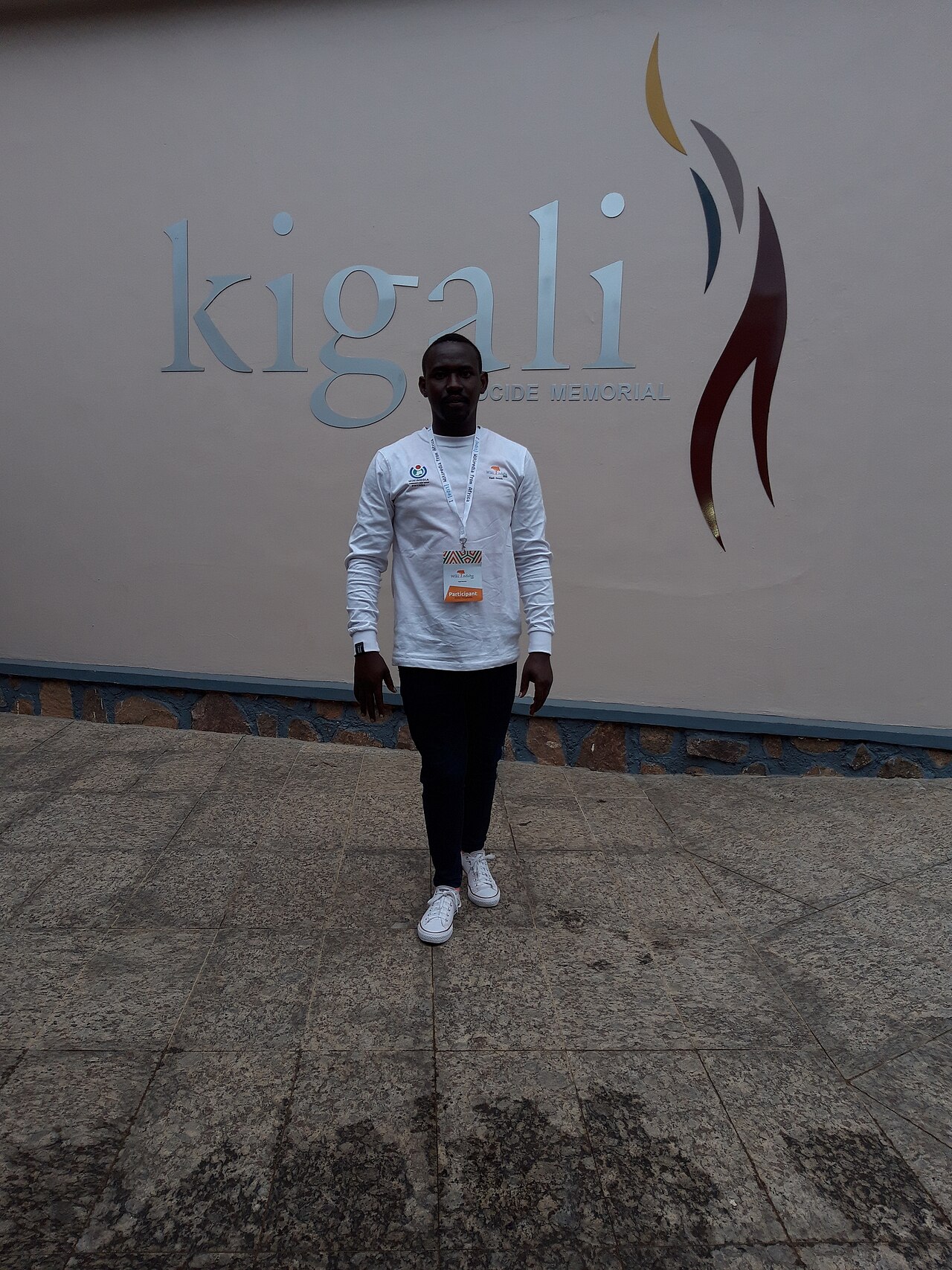
The Kigali Genocide Memorial is both an educational institution and a burial site. More than 250,000 victims of the 1994 Genocide against the Tutsi are buried there. UNESCO inscribed the memorial as part of a four-component World Heritage property in 2023, under criterion (vi). The other components are Nyamata, Murambi, and Bisesero, located elsewhere in Rwanda. The events commemorated took place between April and July 1994, over approximately 100 days.
The memorial stands on Gisozi Hill, with access from KG 14 Avenue. It ordinarily opens from 9 a.m. to 5 p.m., with last admission at 4 p.m. On the final Saturday of each month, the schedule changes to 1–5 p.m. because of Rwanda's community-work tradition, Umuganda. The memorial closes on December 25 and January 1, and ordinarily closes on the morning of April 7 for national remembrance observances. Its visitor guidance recommends at least 90 minutes for a complete visit.
Kandt House Museum offers another chapter of Kigali's history. The Rwanda Cultural Heritage Academy places it on KN 90 Street, approximately one kilometer from downtown. Previously called the Natural History Museum, it officially adopted its present name on December 17, 2017. Its exhibitions examine Rwandan society before colonialism, the German colonial period ending in 1916, and Kigali's own historical development. A small reptile exhibition preserves part of the institution's earlier natural-history identity.
The heritage academy publishes 9 a.m.–5 p.m. as the ordinary operating schedule for national museums, with a noon opening on the last Saturday of each month. Its published Kandt House admission is 15,000 Rwandan francs for an international adult, covering the museum exhibition and reptile display. The corresponding international student admission is 8,000 francs.
To see a different side of Kigali, visit Nyandungu Urban Wetland Ecotourism Park. Rwanda's environmental authority records a restoration project undertaken from 2016 to 2021, with investment of approximately 6.33 billion Rwandan francs. The work restored wetlands and introduced native vegetation, creating an urban conservation landscape rather than another conventional museum.
Picture the place
Gisozi's memorial combines exhibition buildings with landscaped remembrance gardens. Kandt House is a historic property near the city center, while Nyandungu replaces dense buildings with wetland vegetation, ponds, and open green space.
The easily missed detail
The memorial and Kandt House follow different last-Saturday schedules. The memorial opens at 1 p.m., while the national museum network lists a noon opening. Both adjustments relate to Umuganda, but they are not interchangeable. Travelers also need to distinguish the memorial's UNESCO status from Kandt House, which is not one of the four inscribed genocide memorial components.
A practical rhythm
Morning — Kigali Genocide Memorial: Spend at least 90 minutes with the exhibitions, burial grounds, and remembrance spaces.
Midday — Kandt House: Explore the city's early history and the German colonial-period displays.
Another afternoon — Nyandungu: Follow the developed visitor routes through the restored wetland.
What could complicate the plan
Children under 12 are not admitted to the Kigali Genocide Memorial. Eating and drinking are prohibited within its exhibitions and remembrance gardens, although it has a designated café. Parts of the permanent exhibition are accessible only by stairs. Rwanda's national museums also close on April 7, Christmas Day, and New Year's Day. Museum photography and commercial filming require separate approval under the heritage academy's published rules.
What to do next
identifies the drier months for the outdoor portions of this itinerary. explores local food and coffee after a visit to Kigali's cultural institutions.
Sources
- UNESCO World Heritage Centre, Memorial Sites of the Genocide — 2023 inscription, criterion, historical context, and four component sites.
- Kigali Genocide Memorial, Know Before You Go — hours, entry restrictions, accessibility, and visitor conduct.
- Rwanda Cultural Heritage Academy, Museum and Heritage Sites — Kandt House history and exhibits.
- Rwanda Cultural Heritage Academy, Visit National Museums — museum admission, hours, and closures.
- Rwanda Environment Management Authority, Nyandungu Project — restoration period, investment, and ecology.