Kigali / Rwanda Food and drink
Where should I eat in Kigali, and which local food or drink is worth trying?
The short answer
Try isombe made from pounded cassava leaves, grilled brochettes, and matoke made from green cooking bananas, then visit a Kigali coffee house to experience Rwanda's locally produced coffee.
The answer, with local context
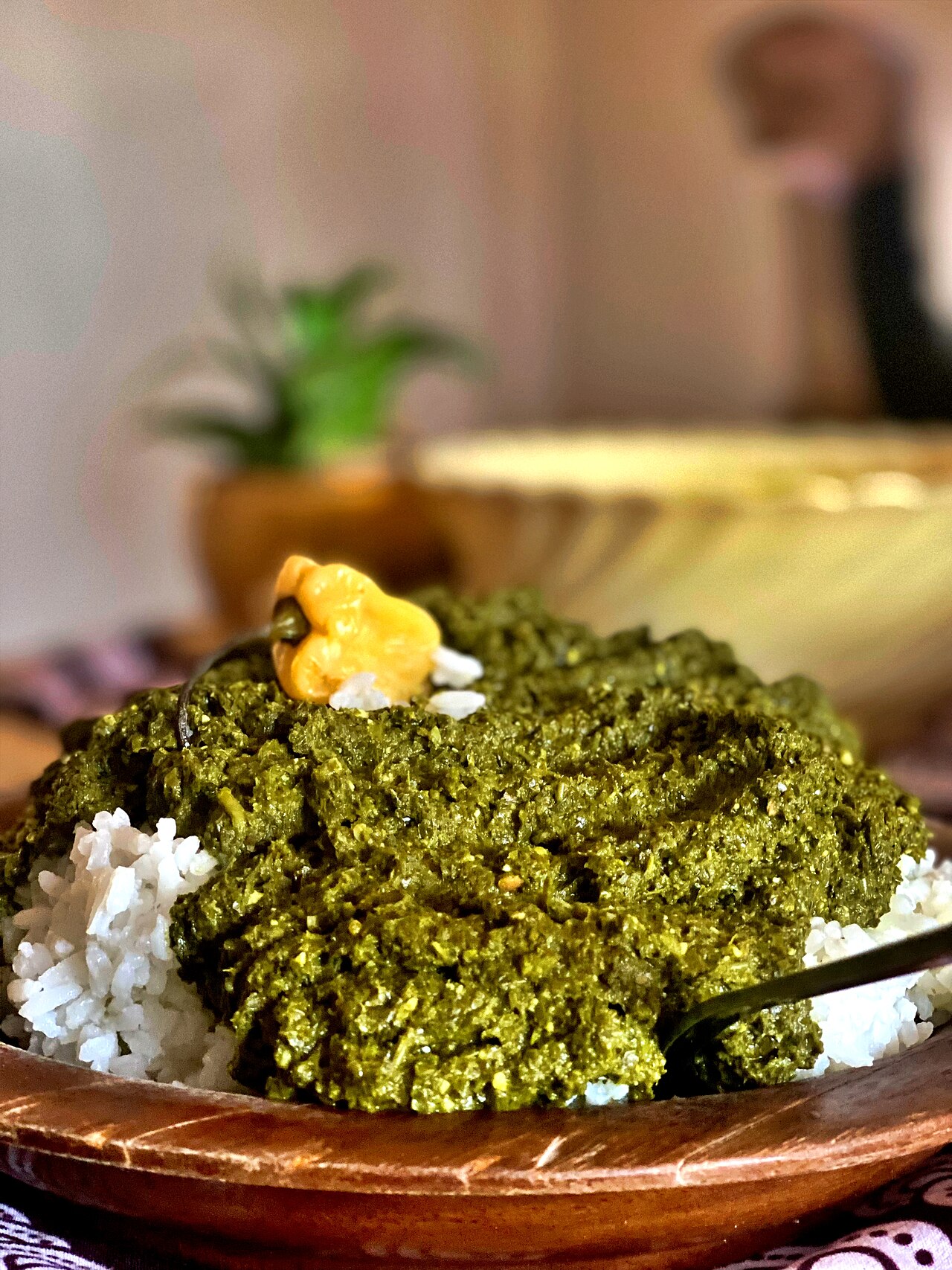
Rwandan cuisine uses several starchy staples and leafy vegetables, but the preparation methods vary considerably. Isombe consists of cassava leaves pounded into a paste and cooked slowly. A United Nations tourism publication on Rwandan gastronomy documents versions using onions, peppers, stock, peanut butter, and palm oil. The finished preparation can accompany rice or a firmer staple such as ugali.
Ugali, also called ubugali, is a thick porridge prepared from maize or cassava flour. Its consistency allows it to be served alongside stews and sauces. Matoke uses green cooking bananas, traditionally steamed or cooked before being mashed. Agatogo is another substantial dish involving plantains and vegetables, sometimes with meat. These dishes demonstrate how cassava, maize, and bananas serve different roles in Rwandan cooking.
For grilled food, seek brochettes. The Rwandan gastronomy guide identifies beef, goat, fish, and pork among possible skewer ingredients. The meat or fish may be seasoned with chilies and grilled with onions or peppers. A skewer labeled simply “brochette” therefore does not identify the protein; the type should appear on the menu or be stated by the restaurant.
Kigali's markets provide another way to understand the ingredients. The tourism publication identifies Kimironko and Nyabugogo as places where visitors can find fresh spices and other foods. A different regional preparation, sambaza, uses small fish associated with Lake Kivu. Although Kigali restaurants may serve them, they originate in a different geographical food setting.
For a documented place to eat, Nature Kigali has published menu examples including isombe with beef, vegan isombe, and vegetarian agatogo. Its descriptions specify that the isombe preparations use cassava leaves and peanut sauce. These examples establish actual dishes offered in a published restaurant menu, although individual menu availability may change.
Coffee provides a final Kigali-specific stop. Question Coffee operates a coffee center in Gishushu, at KG 8 Avenue No. 8, offering a café, tasting room, and coffee education. Its official website lists weekday hours of 7 a.m.–6 p.m. and weekend hours of 8 a.m.–5 p.m. The coffee center is a practical urban introduction to an agricultural product that is important to Rwanda's export economy.
Picture the place
Isombe is a deep-green preparation of finely pounded leaves, while matoke has the softer texture of cooked plantains. Brochettes arrive browned from the grill, and a local meal may pair them with a dense portion of ugali.
The easily missed detail
An isombe dish made entirely from vegetables can still contain peanuts. The published recipes use peanut butter for richness, and some versions include beef, chicken, or fish stock. Nature Kigali's distinction between vegan isombe and isombe with beef illustrates why the preparation needs to be identified rather than assumed from its appearance.
A practical rhythm
Lunch — Traditional meal: Order isombe with rice or ugali, or try a plantain-based agatogo.
Late afternoon — Coffee tasting: Visit Question Coffee in Gishushu for Rwandan coffee.
Dinner — Local grill: Choose goat, beef, fish, or another specifically identified brochette preparation.
What could complicate the plan
Isombe may contain peanuts, palm oil, or meat stock; brochettes may contain meat or fish, and sauces vary between kitchens. Some restaurants make dietary versions of traditional dishes, but a dish name alone does not establish the ingredients. Question Coffee's hours and restaurant menus are operational details, and the CDC's international food guidance recommends particular care with raw or improperly stored foods and untreated water.
What to do next
identifies cultural and historical attractions to explore before a meal. covers the months that are most comfortable for walking between Kigali's different districts.
Sources
- UN Tourism, A Tour of African Gastronomy: Rwanda — isombe, ugali, matoke, brochettes, and markets.
- Nature Kigali, Published Restaurant Menu — specific isombe and agatogo preparations.
- Question Coffee, Visit — café address, tasting facilities, and hours.
- U.S. Centers for Disease Control and Prevention, Food and Water Precautions — food-handling considerations.