Kyoto / Japan When to visit
When should I visit Kyoto to enjoy temples without peak crowds?
The short answer
Be at the gate at 6:00 — Kiyomizu-dera's published schedule opens daily at 6:00, which puts you inside one of Kyoto's busiest temples several hours before the coach groups and the day-trip rail arrivals.
The answer, with local context
The temple's own 2026 schedule makes the shape of the day explicit. Gates open at 6:00 every day. Closing is 18:00 for January 1 to March 26, April 6 to June 30, September 1 to November 20 and December 1 to 31, and moves to 18:30 from July 1 for the height of summer. A temple that opens at six and closes at six is open for twelve hours, and the crowd is not spread evenly across them — the first two are the quietest access you will get to a site of this profile anywhere in Kyoto.
The second lever is the night-viewing calendar, which does the opposite of what you might expect. Kiyomizu-dera runs special night viewing in 2026 for March 27 to April 5, August 14 to 16 and November 21 to 30, staying open until 21:30 with admission closing at 21:00. Those windows are deliberately placed on cherry blossom, Obon and autumn color — the three peak periods — so they are extensions of the busiest days rather than escapes from them. Knowing the exact dates lets you choose: arrive early on a normal day, or accept the crowd and get the illuminated precinct.
The third lever is money, and it now cuts both ways. Kyoto City's accommodation tax was revised with effect from March 1, 2026, and is charged per person per night on a band of the room rate: 200 yen below 6,000 yen, 400 yen from 6,000 to 19,999 yen, 1,000 yen from 20,000 to 49,999 yen, 4,000 yen from 50,000 to 99,999 yen and 10,000 yen at 100,000 yen and above. Because the bands follow the nightly rate, peak-season pricing pushes the same room into a higher tax bracket — so visiting outside the blossom and autumn windows reduces two costs at once.
Picture the place
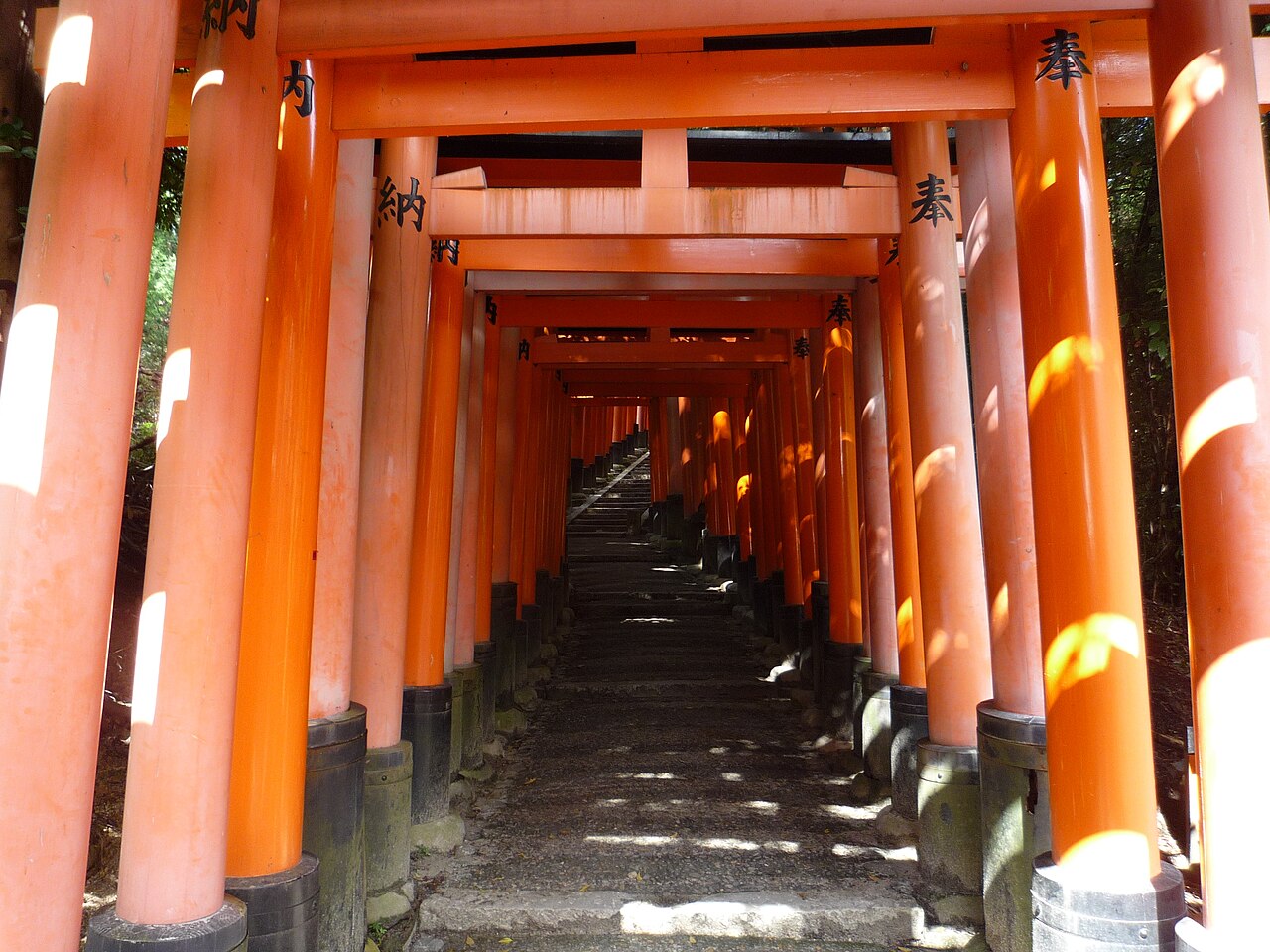
Kiyomizu-dera stands on a wooded slope in the eastern hills, and its main hall is carried on a timber platform projecting out over the hillside. At six in the morning the approach lanes below it are still shuttered, and the precinct is reached before the shops that line the climb have opened.
The easily missed detail
The published night-viewing dates are the most actionable crowd information Kyoto gives out, because they are specific rather than seasonal. March 27 to April 5, August 14 to 16 and November 21 to 30 are the periods when a single temple deliberately stays open to 21:30. Every day outside those ranges is a normal 18:00 or 18:30 close — and the quiet hours are at the other end of the day.
A practical rhythm
- 6:00 to 8:00 — Inside the precinct before the approach lanes open for business.
- Midday — Elsewhere. This is the window the schedule concedes to everyone else.
- Before closing — 18:00 for most of the year, 18:30 from July 1, with the night-viewing dates the only exceptions.
What could complicate the plan
Published temple schedules are set annually and specific dates shift, and the gaps in Kiyomizu-dera's own closing-time list — March 27 to April 5 and April 1 to 5 among them — exist because those days are governed by the night-viewing rules instead. On the trip around it, US citizens have a 90-day visa exemption for short stays in Japan under the Ministry of Foreign Affairs' list, and the State Department has Japan at Level 1, Exercise Normal Precautions, issued May 15, 2025 — so the only real planning risk here is a hotel rate that crosses an accommodation-tax band.
What to do next
The Kyoto when-to-visit question in this chapter gives the climate and festival calendar behind these dates, and the things-to-do question covers the other sectors of the World Heritage property where early arrival pays off just as well.
Sources
- Kiyomizu-dera Temple, access and hours — 2026 opening and closing times and the night-viewing periods
- Kyoto City Tourism Association, accommodation tax revision — revised tax bands and the March 1, 2026 effective date
- Ministry of Foreign Affairs of Japan, visa exemptions — 90-day exemption for US nationals
- US Department of State, Japan travel advisory — advisory level and issue date