Ladakh / India Food and drink
Where should I eat in Ladakh, and which local food or drink is worth trying?
The short answer
Eat the high-desert canon: skyu and chutagi, the hand-made pasta stews; thukpa in Leh's cafés; salted butter tea churned the way it has been for centuries; and everything the apricot can become — fresh, dried, jammed and juiced — in the valley that grows more of them than anywhere else in India.
The answer, with local context
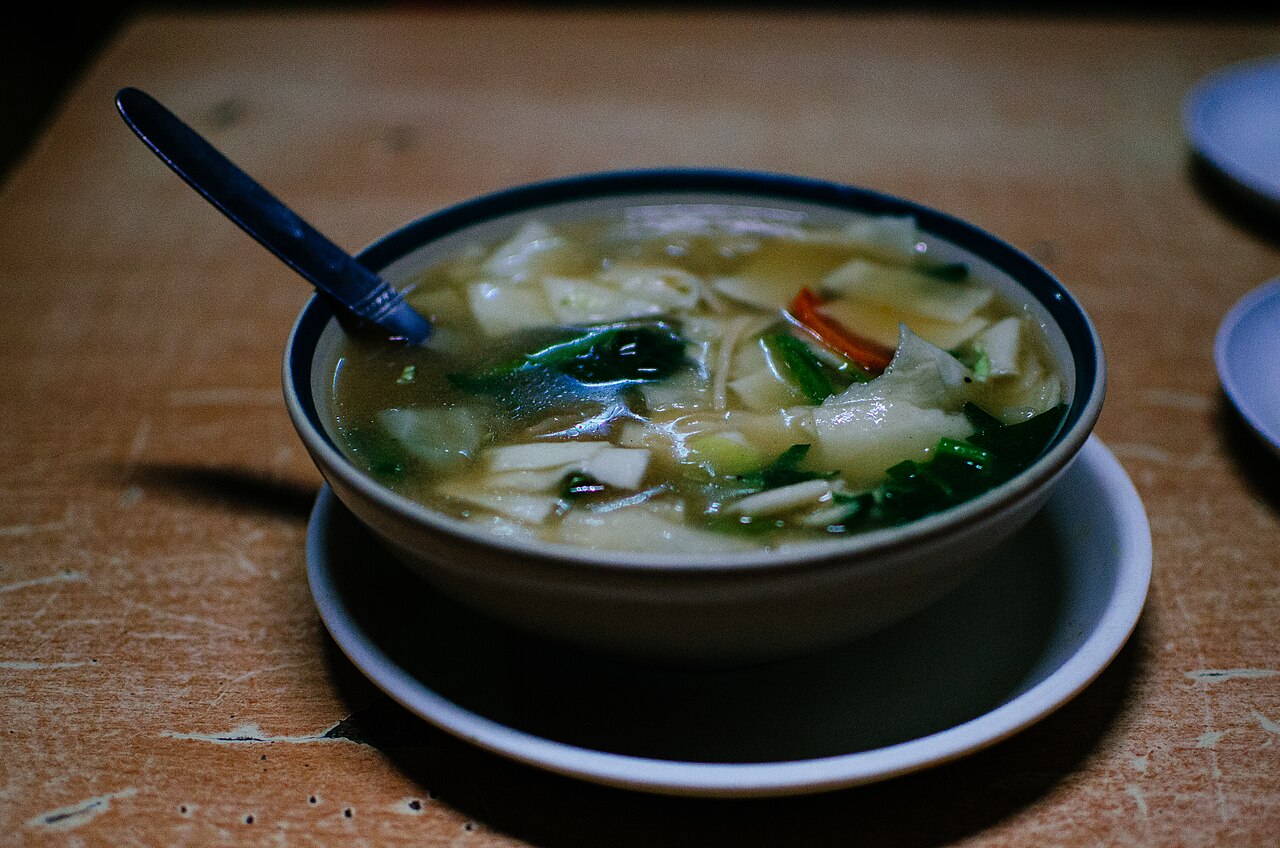
Ladakhi cooking is the cuisine of a place that must store a year in a short summer, and its backbone is barley and wheat. The dishes that are Ladakh's alone are two pasta stews: skyu, in which thumb-pressed caps of wheat dough are simmered with root vegetables and meat in a rich broth, and chutagi, "water-bread" in Ladakhi — chu for water, tagi for bread — bow-tie pasta cooked in a thick vegetable sauce. Around them stands the Tibetan table Leh does so well: thukpa, the noodle soup that is the region's default comfort; thenthuk, its hand-pulled flat-noodle cousin; tingmo, plain steamed bread for mopping; and mokmok, the local word for momos, steamed dumplings of mutton, chicken or spinach and cheese. In Leh, the places built to teach this canon are Alchi Kitchen and Namza Dining, which serve Ladakhi set meals; beyond them, the homestays of the valleys — in Zanskar, in Nubra, along the Indus — cook the same dishes without menus, which is the point.
The drink is butter tea, gur-gur cha, named for the sound of its churn: tea leaves boiled, salted, and churned with yak butter into a pinkish, savory broth that is less a refreshment than a heating system, refilled from the thermos all day. Barley appears at every level of the culture — roasted and ground into tsampa, the flour kneaded with tea into dough; baked into khambir, the thick local bread that Leh's Old Town bakers, in the lanes near the Gurudwara Datun Sahib, sell warm each morning; and fermented into chhang, the mild barley beer of celebrations. The hard, dried yak cheese called chhurpi, chewed like gum for altitude energy, and dastuk, a breakfast porridge of rice, yak milk and butter, complete the stored-food logic.
Then there is the fruit that redeems the desert. Ladakh grows more than 40 varieties of apricot and is India's largest apricot-producing region, at some 15,000 tonnes a year; its finest, the Raktsey Karpo — a white-fleshed, exceptionally sweet apricot — received a Geographical Indication tag in 2022, the region's first. Apricots are eaten fresh in July and August, dried for winter, stewed into the compote chemush, jammed as chulli, and their kernels ground into tapu and oil. The desert's second gift is sea buckthorn, the tart orange berry sold in Leh's bazaars as juice and jam under its local name, Leh berry — "Ladakh gold." For the fullest expression, go west and north: the Balti village of Turtuk, Indian only since 1971 and opened to tourists in 2010, where apricot orchards run down to the Shyok river and the kitchens add a Balti accent found nowhere else in Ladakh.
Picture the place
In a Turtuk courtyard in late July the apricots come down by the basketful — gold fruit shaken from the tree onto sheets, the sweetest ones eaten on the spot, the rest split for the drying roofs — while the Karakoram fills the end of the lane and the Shyok runs milky-green below the orchards.
The easily missed detail
Butter tea is a technology before it is a taste: at 11,500 feet, in air too dry and cold for comfort, a churned emulsion of fat, salt and hot liquid delivers calories, hydration and lip protection in a single cup, which is why refusal confuses hosts — the thermos is the household's central heating, offered on the same logic. Drink the first cup as fuel and respect; by the third, most visitors find the logic has become flavor.
A practical rhythm
- Morning — Mornings start with the bakers: warm khambir from the Old Town lanes near the Datun Sahib gurudwara, eaten with butter tea — the Ladakhi working breakfast, and the right fuel before a monastery morning.
- Midday — Midday is thukpa hour in Leh's cafés and the set-meal kitchens: a steaming bowl restores what the altitude spends, and the apricot juice of the bazaar stalls makes the local second course.
- Evening — Evenings belong to the slow dishes: skyu or chutagi at a Ladakhi kitchen or homestay table, a glass of chhang where it is offered in a village home, and dried apricots and chhurpi bought in the Main Bazaar for the road days ahead.
What could complicate the plan
The canon is seasonal and geographic: fresh Raktsey Karpo apricots exist only in high summer, the valley kitchens that cook the true skyu are homestays rather than restaurants with hours, and beyond Leh the menus narrow fast — in Nubra and the Changthang, expect the lodge's set dinner and be glad of it. Butter tea and chhang carry their own etiquette: the tea is savory, not sweet, and the beer is a social offering in a Buddhist and Muslim region where many abstain — follow the house. Finally, altitude dulls appetite and digestion alike; the rich pasta stews are best earned after the first acclimatized days, not attempted off the flight.
What to do next
In Leh, book one Ladakhi set meal at Alchi Kitchen or Namza Dining, breakfast once on warm khambir and butter tea in the Old Town, and drive to Turtuk in apricot season with an empty bag for the dried fruit.
Sources
- Geographical Indications Registry, Government of India — the Raktsey Karpo apricot's GI registration in 2022, the first for Ladakh; the region's 40-plus apricot varieties
- UT Ladakh administration / horticulture reporting — Ladakh as India's largest apricot-producing region, at some 15,000 tonnes a year; Turtuk's opening to tourists in 2010
- Alchi Kitchen and Namza Dining, Leh — the Ladakhi set-meal kitchens serving skyu, chutagi, khambir and apricot preparations; the Old Town bakeries near Gurudwara Datun Sahib