Langkawi / Malaysia Food and drink
Where should I eat in Langkawi, and which local food or drink is worth trying?
The short answer
Eat Kedah: laksa Kedah in a Kuah coffee shop, gulai ikan at a Malay family restaurant, grilled stingray and prawns by the kilo at the Cenang seafood row — and chase the rotating pasar malam night market, which lands in a different village every evening and is the island's best cheap dinner.
The answer, with local context
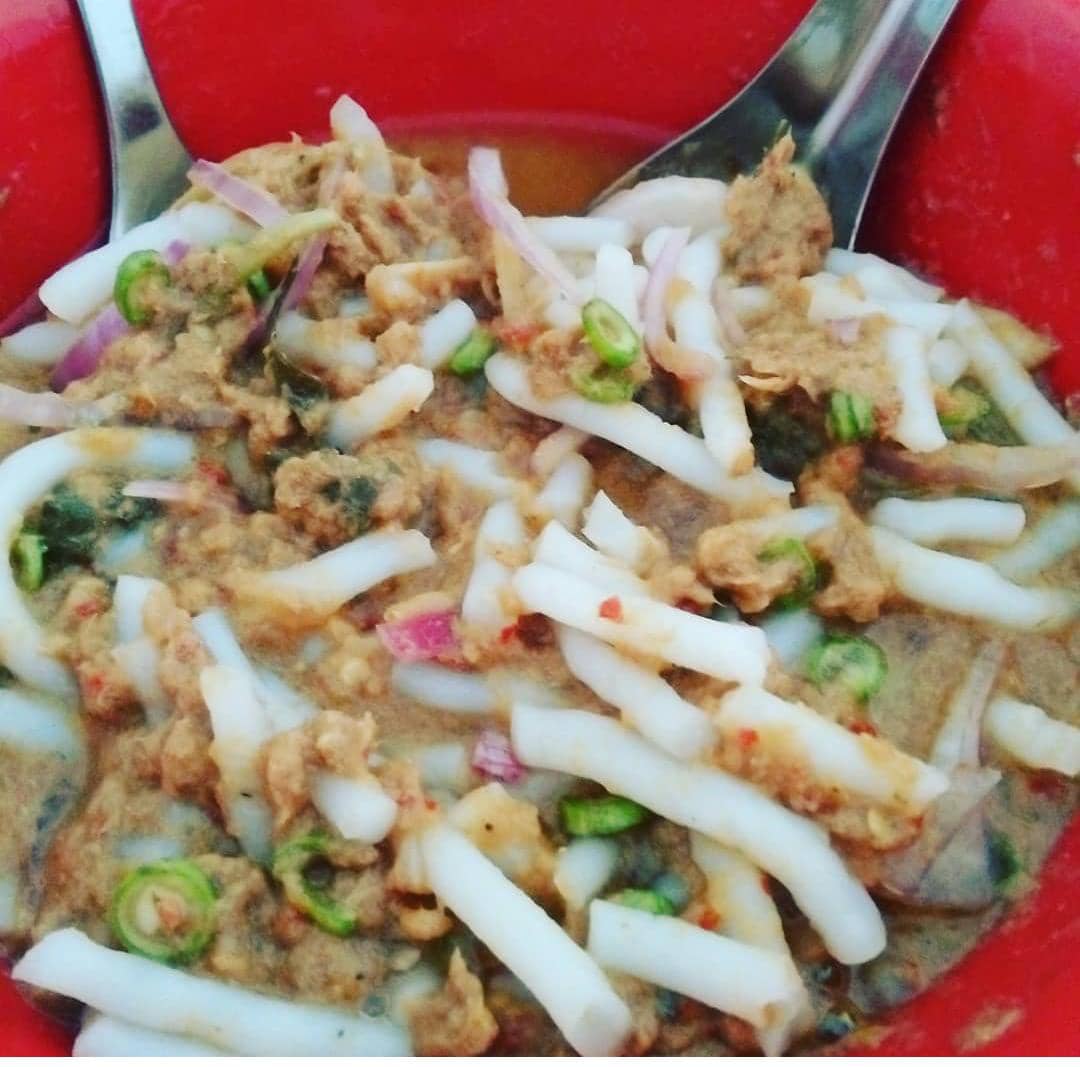
Langkawi cooks in the Kedah tradition of Malaysia's north: a cuisine built on fresh fish, coconut milk, tamarind and turmeric, plainer and more rural than Penang's famous hawker food an hour away. Its signature bowl is laksa Kedah — rice noodles in a broth of flaked fish simmered with lemongrass, galangal and daun kesum, the Vietnamese mint that gives the north its herbal edge, finished with sliced raw onion, cucumber and chili. It is a cousin of Penang's asam laksa but its own dish: the gravy leans on freshwater and mackerel fish and garden herbs rather than Penang's sour tamarind punch. The curry to order is gulai ikan, fish — red snapper or threadfin from the day's boats — simmered in a turmeric and coconut gravy, eaten with rice at the family-run Malay restaurants of Kuah and Kedawang where the island's own lunch crowd goes.
The evening belongs to the grill and the market. Along Pantai Cenang's strip and Kuah's waterfront, the seafood restaurants display the catch on ice — tiger prawns (udang galah), squid, crab and whole fish — priced by weight and cooked to order: grilled in banana leaf with sambal, none better than ikan pari bakar, stingray wing whose firm flesh stands up to the chili paste; or with butter and garlic, or salted egg. The night markets do it cheaper and livelier. Langkawi's pasar malam rotates villages nightly — Kuah hosts the island's largest on Wednesday and Saturday evenings, the Temoyong market serves Pantai Cenang on Thursdays with more than 50 stalls from 5 p.m., and Kedawang, Ayer Hangat and Padang Matsirat take Tuesday, Friday and Sunday respectively — so there is a market dinner somewhere almost every night of a stay. At Temoyong, seek the Kedahan specialty the tourist menus skip: boiled squid served with rice in a coconut-milk broth, alongside satay at around a ringgit a stick and nasi lemak bungkus, the banana-leaf parcels of coconut rice with sambal, anchovies, egg and peanuts that start from about RM2.
Breakfast is its own institution: roti canai, the flaky griddle-fried flatbread, with dhal and curry to dip, at the mamak stalls from early morning. And the drink with a footnote: Langkawi has been a duty-free port since 1987, so beer, spirits and chocolate cost markedly less in Kuah's duty-free shops than anywhere else in Malaysia — but this is a Muslim-majority island, and most Malay eateries and market stalls serve no alcohol at all; the licensed beach bars of Cenang are the exception, not the pattern.
Picture the place
At the Temoyong market on a Thursday the light goes at seven and the charcoal takes over: rows of stalls under string bulbs, squid and satay smoking on the grills, banana-leaf parcels stacked beside vats of laksa gravy, and the whole village eating standing up with plastic stools for tables.
The easily missed detail
The rotating market is the island's real restaurant guide, and its geography is the tell: the pasar malam comes to each village once a week, so the stalls cook for neighbors, not tourists, and prices and recipes stay honest. A traveler who eats only on the Cenang strip pays beachfront prices for the island's most generic food, while the same evening's market — a ten-minute drive inland — serves the boiled squid, laksa and grilled fish that Langkawi's families queued for first.
A practical rhythm
- Morning — Breakfast like the island: roti canai and a teh tarik at a mamak stall in Kuah or Cenang before the day heats up — the flatbread is fried to order and gone by mid-morning.
- Midday — Lunch is the Malay set meal: gulai ikan with rice at a Kuah family restaurant, or a bowl of laksa Kedah, when the lunch crowd of office workers and fishermen guarantees the gravy is fresh.
- Evening — Evenings run on the rotation: check which village hosts tonight's pasar malam and eat standing at the stalls, or book the Cenang seafood row for a grilled stingray and prawns weighed in front of you.
What could complicate the plan
Seafood by weight is the island's classic misunderstanding: the price quoted is per 100 grams or per kilogram before cooking, so confirm the weighed price of your fish, crab or prawns before they reach the grill and the bill will hold no surprises. The markets keep their own calendar — the rotation shifts on public holidays and during Ramadan, when daytime eating in Malay areas quiets and the markets become iftar feasts instead. And the duty-free bargain has a legal edge: the cheap alcohol is for consumption on the island and within customs allowances when leaving, and it will not appear beside your laksa in a Malay restaurant however politely you ask.
What to do next
Anchor one dinner to the market rotation — Kuah on Wednesday or Saturday, Temoyong on Thursday — order laksa Kedah once in Kuah at lunch, and let one Cenang evening be the weighed-and-grilled seafood splurge.
Sources
- Langkawi Development Authority (LADA) — Langkawi's duty-free status since 1987; the island's pasar malam rotation across Kuah, Temoyong, Kedawang, Ayer Hangat and Padang Matsirat
- Temoyong (Pantai Cenang) Night Market and Kuah Night Market — the Thursday market's 50-plus stalls from 5 p.m. and its Kedahan boiled-squid specialty; Kuah's Wednesday and Saturday market as the island's largest
- Pantai Cenang and Kuah seafood restaurants — the by-weight pricing of the displayed catch, ikan pari bakar and udang galah preparations, and set-meal pricing at the island's Malay restaurants