Latvia country guide Places and experiences
What should a first-time traveler see in Latvia beyond the obvious highlights?
The short answer
Kuldīga and the Gauja National Park — one is Latvia's newest World Heritage property, inscribed in 2023, and the other is a 91,786-hectare river park founded on 14 September 1973 that most Riga visitors never leave the city to see.
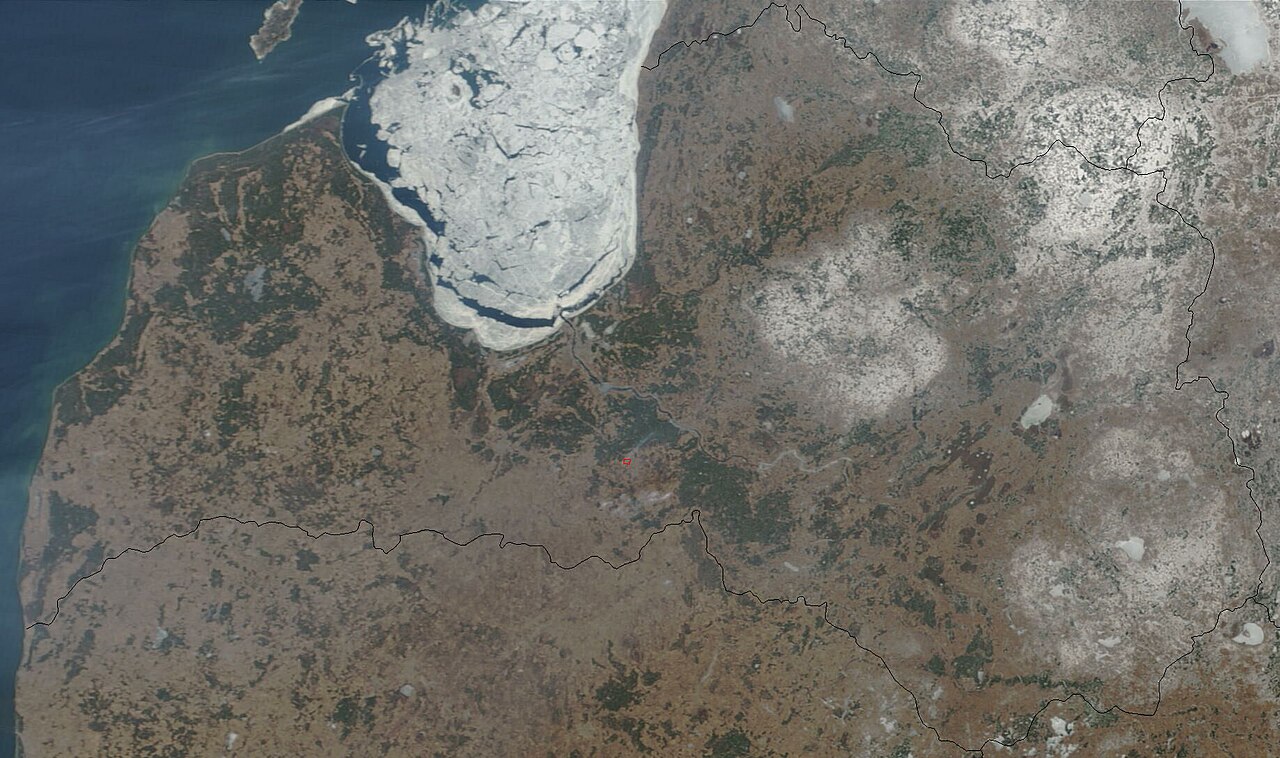
The answer, with local context
Latvia has 3 World Heritage properties and 3 Tentative List sites, and it accepted the Convention on 10 January 1995. The Historic Centre of Riga, inscribed in 1997, is the famous one. The other 2 are the interesting ones for a repeat or a slow traveler.
The Old town of Kuldīga was inscribed in 2023 under criterion (v), by decision 45COM 8B.18 — a listing for a traditional settlement and its relationship with its environment rather than for monumental architecture. It is Latvia's most recent addition and remains far less visited than Riga. The Struve Geodetic Arc, inscribed in 2005, is a transnational property: a chain of survey stations running across 10 countries, of which Latvia holds a share, and visiting it means finding markers rather than buildings.
For landscape, the Nature Conservation Agency of Latvia manages Gauja National Park, founded on 14 September 1973 and covering 91,786 hectares. The agency records more than 800 vascular plant species, 149 bird species and 48 mammal species within it, with forests over 47 percent of its area. The park is divided into 5 functional zones, and visitors are not permitted inside its nature reserves — Nurmies Hollow, Rochs Forest, Inciem Sennok and the Suda bog — which are fully protected from economic activity. Everything else is open: more than 100 km of walking paths, water tourist camps and motorist camps, and the Līgatne nature paths.
Living heritage points to a third itinerary. The Suiti cultural space was inscribed by UNESCO on the Urgent Safeguarding List in 2009 — not the Representative List — which marks it as a tradition under genuine threat, in a small Catholic community in otherwise Lutheran western Latvia. Timber rafting, inscribed in 2022, connects directly to the river country the national park protects.
Picture the place
The Gauja is a slow river in a sandstone valley, and the park's 47 percent forest cover means that for long stretches the only built thing in sight from the water is a campsite.
The easily missed detail
Not every part of a Latvian national park is open ground. The Nature Conservation Agency states that the nature reserves inside Gauja — a small but particularly valuable part of the park — are closed to visitors outright, while the remainder permits only economic activity that does not significantly alter the historical landscape structure. The 5-zone structure is the thing to read before planning a route, because a trail that looks continuous on a tourist map may cross a boundary that is not open to walkers.
A practical rhythm
- Gauja valley — Base near Sigulda for the neighborhood trails and the Līgatne nature paths, working from the more than 100 km of marked walking routes.
- Kurzeme, west — Kuldīga's 2023 inscription anchors a western loop that can also take in the Suiti communities listed in 2009.
- Survey markers — The Struve Geodetic Arc, inscribed in 2005, is a deliberately low-key pursuit: stone-marked points rather than visitor centers.
What could complicate the plan
Forest and river country is tick country. The CDC's Yellow Book places Latvia among the countries with the highest recent incidence of tick-borne encephalitis and notes that most infections follow tick bites during exactly these activities — hiking, camping, cycling, fishing, birdwatching, and collecting mushrooms, berries or flowers — with transmission from April to November and a June-to-August European peak. Severe disease risk rises with age, with particular concern for people aged 60 and older. The vaccine, TICOVAC, approved by the FDA in 2021 and sold in Europe as FSME-IMMUN, needs a 3-dose primary series that takes months, so it is a decision made well before departure, not at the trailhead. Away from the city, the State Department notes ambulances are mainly an urban service.
What to do next
The Latvia when-to-visit answer in this chapter covers Riga's own seasonal case; the food answer explains why the Gauja lamprey season runs from August to February.
Sources
- UNESCO World Heritage Centre, Latvia States Parties page and Kuldīga records — property and tentative counts, Convention acceptance date, Kuldīga inscription year, decision code and criterion, Struve Geodetic Arc year
- Nature Conservation Agency of Latvia, Gauja National Park — founding date, area, species counts, forest share, zoning, reserve access rules, path network
- CDC Yellow Book 2026, Tick-Borne Encephalitis — activity-linked risk, season, age risk, vaccine name and schedule
- UNESCO Intangible Cultural Heritage, Latvia — Suiti cultural space list type and year, timber rafting year