Medellín / Colombia Food and drink
Where should I eat in Medellín, and which local food or drink is worth trying?
The short answer
Eat the Paisa canon where the city itself eats it: mondongo at Mondongos, the restaurant named for the soup and serving it since 1976; a bandeja paisa at a traditional house like Hatoviejo (since 1982); and one night at El Cielo, whose chef made his Washington kitchen the first Colombian restaurant ever to earn a Michelin star.
The answer, with local context
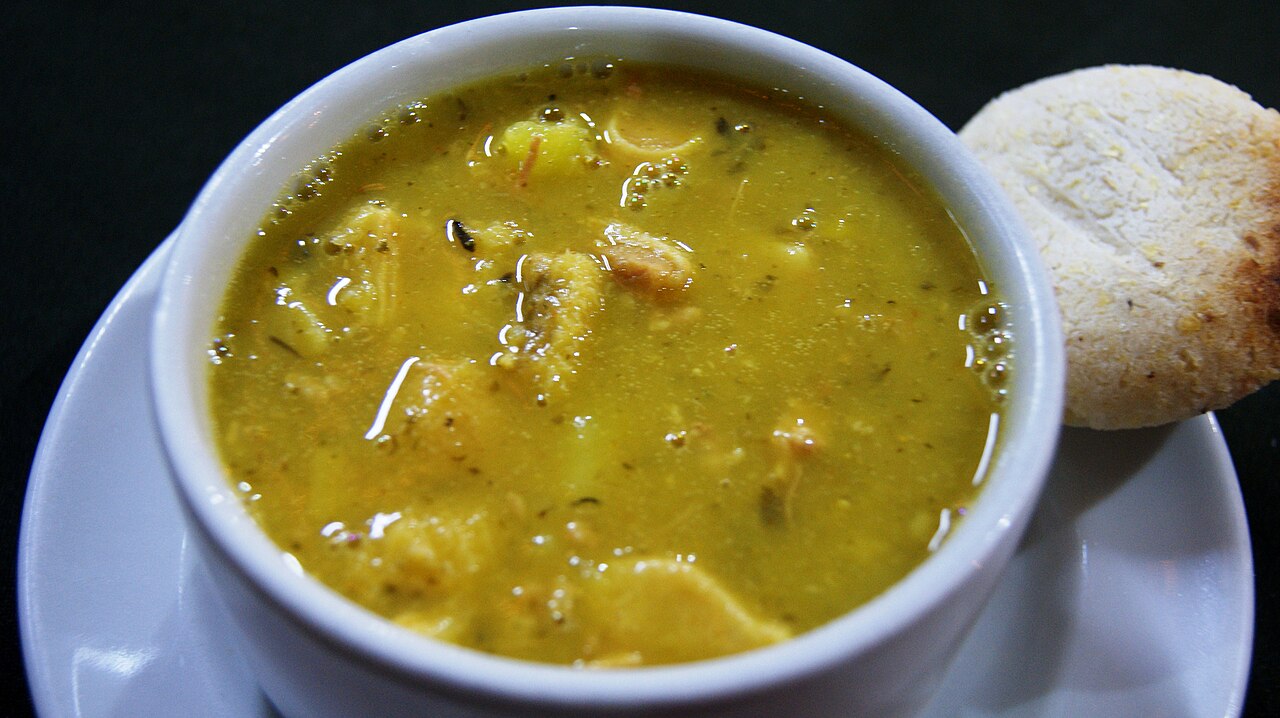
Medellín eats in two registers, and a first visit should sample both in the right buildings. The traditional register is Antioquia's farmhouse cooking, scaled for a city: the mondongo, a slow-simmered soup of tripe and pork with potato and yuca, is the dish Paisas defend most personally, and its temple is Mondongos — founded in 1976, now in El Poblado and Laureles — where the soup arrives as a full feast: rice, avocado, sweet plantain, fresh cilantro, hot arepas and the house ají arranged around the bowl. The bandeja paisa, this library's national answer introduces, is in Medellín a Sunday institution rather than a daily one: beans, rice, ground beef, chicharrón, chorizo, fried egg, plantain, avocado and arepa on one platter, served at traditional houses such as Hatoviejo, cooking since 1982, and Hacienda Junín, whose downtown dining room has fed the center since 1991. Colombia publishes no Michelin guide — a fact that shapes the second register below.
The small dishes carry the day between the feasts. Arepas de choclo — sweet corn cakes griddled with cheese — are the street standard, sold at stands from Pueblito Paisa's replica village square to the market doors; aguapanela con queso, hot sugarcane water with a slab of fresh cheese dropped in to melt, is the highlander's answer to coffee; and the drink with legal personality is aguardiente antioqueño, the anise spirit of the department, drunk in shots with picadas — shared platters of chicharrón, empanadas and potatoes — at places like El Social, a Provenza corner store that opened in 1969 as a neighborhood tienda and never entirely stopped being one.
The modern register is El Poblado's tasting-menu row, and its headline is El Cielo. Chef Juan Manuel Barrientos opened the original here in 2007, building a "sensory" menu of some 21 moments from Colombian ingredients and avant-garde technique — courses eaten with the hands, chocolate poured over the fingers to be washed away — and in April 2021 his Washington, D.C. kitchen became the first Colombian restaurant in history to earn a Michelin star; the guide still publishes no Colombia edition, so Medellín's own room carries no star and needs none. Carmen, a few streets away, runs the same project at a calmer tempo. Together they explain the city's food map: Provenza and El Poblado for the tasting menus, Laureles for the neighborhood restaurants along its two park grids, the center for the traditional houses — and everywhere, fruit juices of lulo, maracuyá and guanábana doing the work wine does elsewhere.
Picture the place
Sunday at Mondongos runs like a family wedding in a cafeteria: three generations at the long tables, the waiters landing trays in choreographed sequence — the soup, the rice, the avocado, the plantain, the arepas still steaming — and the room's applause reserved for the grandfather who finishes the whole bandeja and orders coffee.
The easily missed detail
The mondongo's accompaniments are the dish's grammar: the avocado goes in the soup, the sweet plantain alternates bites to cut the richness, the ají is dosed by the eater, not the kitchen — and the arepa, in Antioquia, is served plain and unsalted by design, a deliberate blank against the region's maximal cooking. Salt your arepa and the table will know you are from somewhere else.
A practical rhythm
- Morning — Start as the city does: an arepa de choclo and a tinto at a street stand, or chocolate with cheese in a Laureles café, before the day heats up.
- Midday — The Paisa lunch is the day's main meal: mondongo or bandeja at one of the traditional houses, eaten at one o'clock with the office crowds and the families, with a fruit juice standing in for wine.
- Evening — Evenings divide by ambition: the El Cielo or Carmen reservation, booked ahead, or the El Social pattern — aguardiente, a picada to share, and salsa at full volume in Provenza.
What could complicate the plan
Sunday is the traditional houses' summit and their queue: Mondongos after church fills with the whole city, and the wait at one o'clock can stretch past the hour — go at noon or accept the line as part of the liturgy. The tasting menus book out on weekends and during the August festival, and El Cielo's experience runs long — do not schedule it against an early flight. Finally, mind the bandeja's arithmetic: it is engineered for a mule-driver's working day, and ordering it at dinner is a rookie error the whole table will pay for.
What to do next
Reserve El Cielo for the trip's best night, give Sunday lunch to Mondongos, and let one Laureles evening run on arepas de choclo, aguapanela and whatever the juice board offers.
Sources
- Michelin Guide — El Cielo Washington, D.C., awarded a star in April 2021, the first Colombian restaurant to earn one; the guide publishes no Colombia edition
- Mondongos (restaurant, Medellín) — founded in 1976; its sopa de mondongo served with rice, avocado, sweet plantain, cilantro, arepas and house ají, with branches in El Poblado and Laureles
- Hatoviejo (restaurant, Medellín) — serving traditional Antioquian cooking, including the bandeja paisa, since 1982; Hacienda Junín's downtown house dates to 1991