Melbourne / Australia Food and drink
Where should I eat in Melbourne, and which local food or drink is worth trying?
The short answer
Espresso at Pellegrini's on Bourke Street, where Melbourne's coffee culture opened for business in 1954 — then dinner in one of the migrant dining strips that genuinely feed this city: Lygon Street for Italian, Chinatown for yum cha, or Victoria Street, Richmond, for Vietnamese.
The answer, with local context
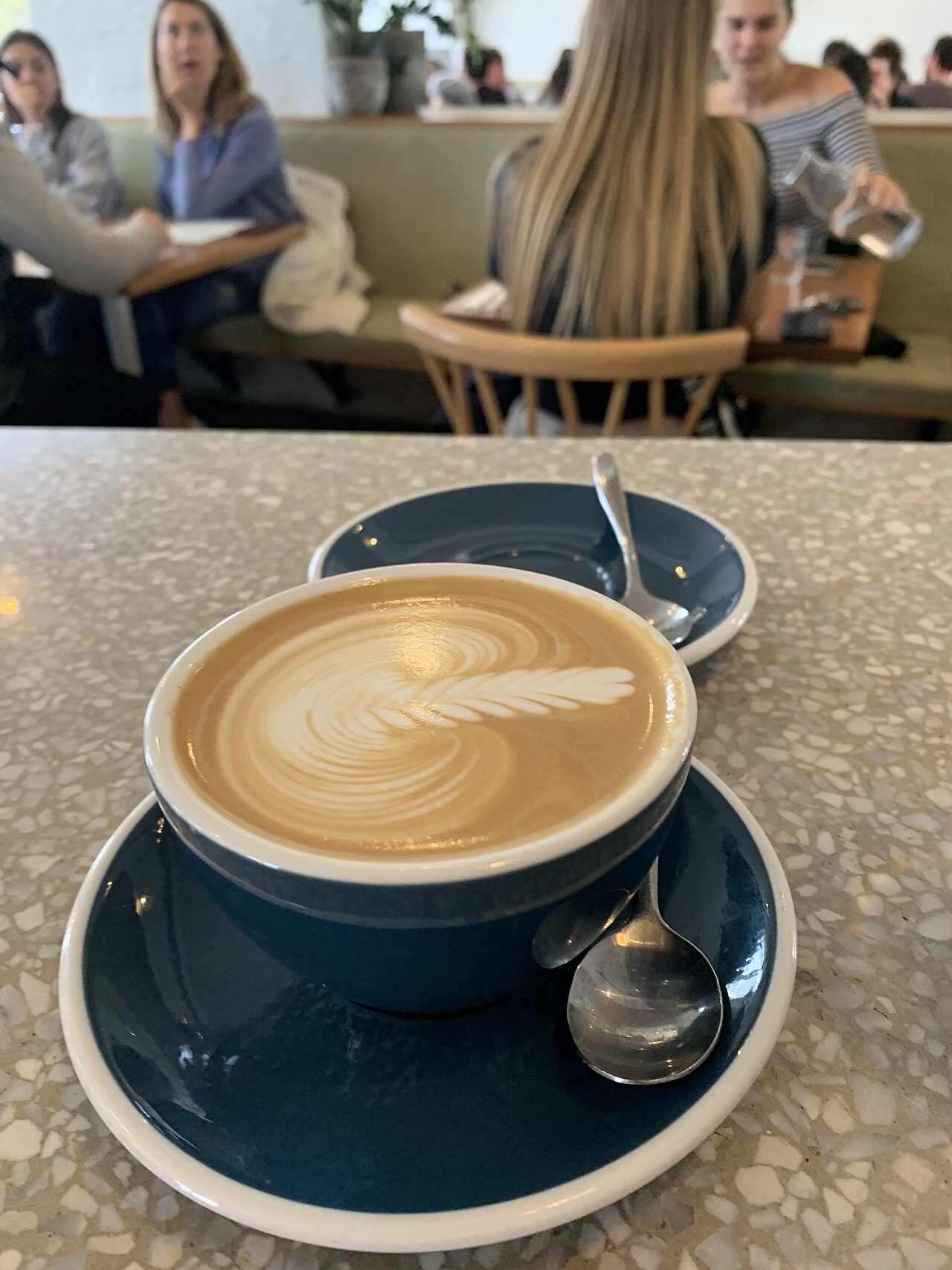
Coffee here is not a beverage category; it is a founding story with an address. Pellegrini's Espresso Bar, at 66 Bourke Street, was opened in 1954 by brothers Leo and Vildo Pellegrini, and the City of Melbourne's own register of the city's oldest businesses calls it Melbourne's first espresso bar. It still works the old way — a long counter, coffee taken standing or on a stool, and a menu of lasagne and watermelon granita alongside the espresso. The prehistory is on Little Collins Street, where Quists had been roasting beans since 1938; the city credits it as Melbourne's first coffee roaster. Between those two dates, post-war Italian migration rebuilt Melbourne's palate, and everything else in this answer follows from it.
The Italian strip is Lygon Street in Carlton. The University Café opened there in 1952, the street became one of the first in Australia to adopt outdoor dining, and its fixtures read like a census of the migration: King and Godfree, the Italian grocer trading since 1884, and Jimmy Watson's, a wine bar since 1935. Across the grid, Chinatown runs along Little Bourke Street from its beginnings in the 1850s gold rush — it is the longest continuously operating Chinatown in the Western world, and its set-piece meal is a yum cha lunch. A few blocks south, the Lonsdale Street precinct anchors the Greek side of the same story: Melbourne's Greek community is widely described as the largest of any city outside Greece itself.
For eating as the locals schedule it, two fixtures matter. On Victoria Street in Richmond, a mile of Vietnamese restaurants and bakeries serves the city's default pho and bánh mì. And at the Queen Victoria Market, the American Doughnut Kitchen van has been frying hot jam doughnuts at the market since 1950 — order them by the bag and eat them walking; on Wednesday evenings in season the same market grounds reopen as the Night Market, given over to street-food stalls. The modern fine end of the scene concentrates along Flinders Lane, but the strips above are where a first visit should spend its appetite.
Picture the place
Inside Pellegrini's the room is one long counter running the depth of a narrow bar, stools along it, the espresso machine working at the far end and a glass of scarlet watermelon granita sweating next to a short black — a 1954 interior that has never once been redecorated into nostalgia, because it never closed long enough to become it.
The easily missed detail
Order a "magic." It is Melbourne's own coffee — a double ristretto topped with steamed milk in a small cup, stronger and tighter than a flat white — and it exists on café menus here while remaining largely unknown in Sydney, let alone overseas. Asking for one is the fastest way to stop being served like a tourist, and the strongest small coffee in the city's repertoire.
A practical rhythm
- Morning — A standing espresso at Pellegrini's when it opens, then a slow second coffee in a laneway café — Melbourne's cafés mostly close by mid-afternoon, so the coffee day is front-loaded.
- Midday — Yum cha in Chinatown, where the trolleys run at lunch and not at dinner, or pho on Victoria Street if the day takes you east.
- Evening — Lygon Street for the full Italian progression — antipasti, pasta, a Jimmy Watson's glass — or the Night Market on a Wednesday when it is in season.
What could complicate the plan
The market keeps market hours: the Queen Victoria Market's day trading traditionally closes on Mondays and Wednesdays, and the Night Market is seasonal, so both need a check against the market's calendar before becoming a plan. The famous Flinders Lane dining rooms book out days ahead during event weeks, and Melbourne's café culture runs early — a traveler hunting a great coffee at 5 p.m. will mostly find the chairs already stacked.
What to do next
Put Pellegrini's at the start of a morning, pick one strip per evening rather than grazing across all of them, and read the timing question in this group before fixing dates — festival weeks change every reservation in the city.
Sources
- City of Melbourne (What's On) — the city's oldest-businesses register: Pellegrini's Espresso Bar (1954) as Melbourne's first espresso bar, and Quists (1938) as its first coffee roaster
- Visit Victoria — Lygon Street's Italian dining history, Chinatown's gold-rush origins on Little Bourke Street, and the Greek precinct on Lonsdale Street
- Queen Victoria Market — the American Doughnut Kitchen's presence at the market since 1950 and the seasonal Wednesday Night Market