Muscat / Oman Things to do
What are the most worthwhile things to do in Muscat on a first visit?
The short answer
Begin at Sultan Qaboos Grand Mosque in the morning, then spend the late afternoon in Old Muscat and Mutrah, because the mosque's visitor window is short and the old waterfront rewards cooler light.
The answer, with local context
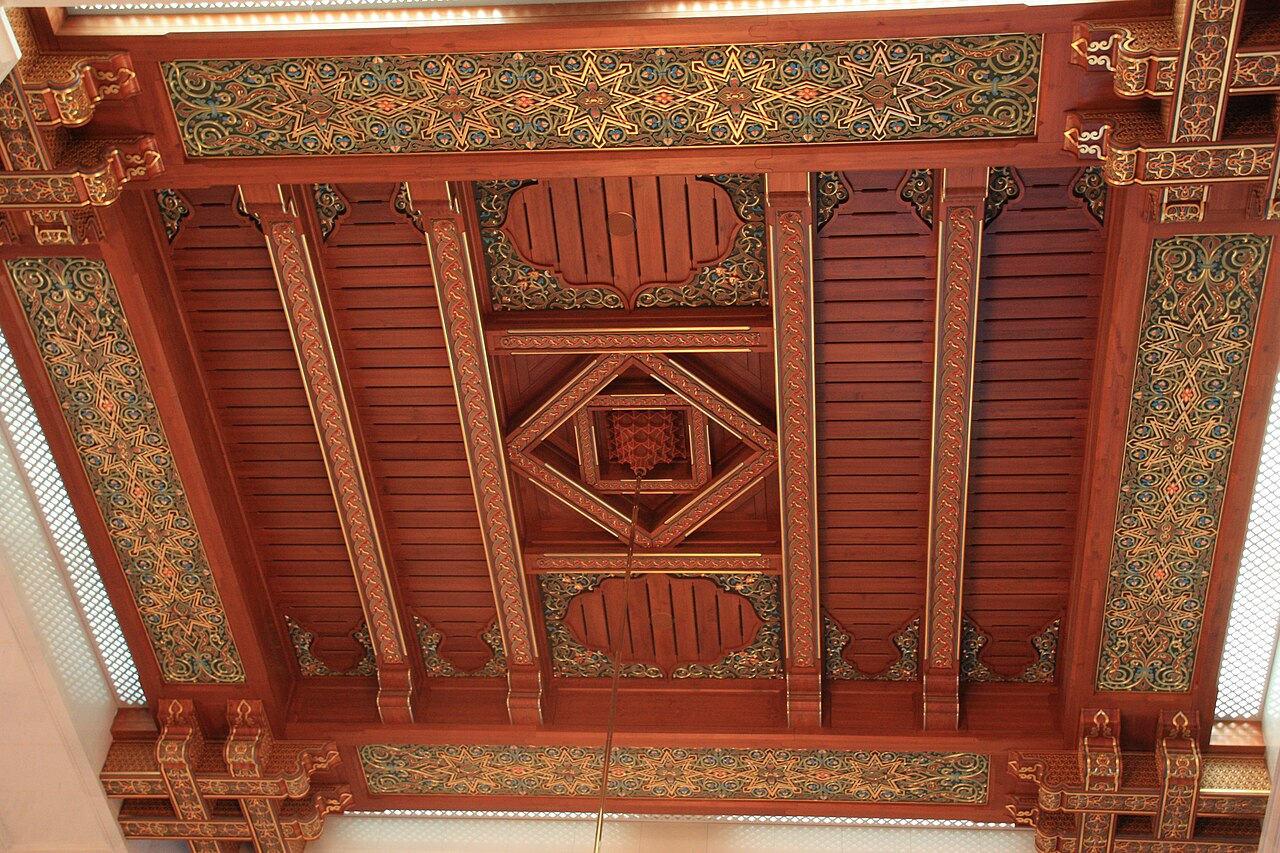
Sultan Qaboos Grand Mosque, inaugurated on May 4, 2001, sets the scale for a first visit. It was built from 300,000 tonnes of Indian sandstone, its main minaret rises 90 meters and its central dome rises 50 meters above the floor, and the main prayer hall holds 6,500 worshippers within a total capacity of 20,000. The prayer carpet covers 4,343 square meters, contains 1,700,000,000 knots, weighs 21 tonnes, and took four years to produce. Non-Muslim visitors are admitted Saturday through Thursday from 8:00 a.m. to 11:00 a.m., so the mosque belongs at the start of the day, with modest dress covering shoulders, arms, and legs and women covering their hair.
The modern cultural pair sits in different districts. The Royal Opera House Muscat opened on October 12, 2011, with a production of Turandot, and its auditorium accommodates a maximum of 1,100 people. The National Museum of Oman, established by royal decree in 2013 and opened to the public on July 30, 2016, holds around 12,500 artifacts tracing Oman's heritage from its earliest settlement to the present. Together they explain the city in a way a single monument cannot: one is a living performance house, the other is the national collection.
Mutrah and Old Muscat complete the circuit at street level. Mutrah Souq, one of Oman's oldest markets, sells frankincense, spices, silver jewelry, textiles, and handicrafts in covered lanes beside the harbor. In Old Muscat, Al Alam Palace, the Sultan's ceremonial palace with a blue and gold facade, was rebuilt as a royal residence in 1972 and is viewed from outside, flanked by the 16th-century forts of Al Jalali and Al Mirani, which are not open to the general public.
Picture the place
Inside the Grand Mosque, a vast arched hall opens under a chandelier, with the patterned carpet spreading across the floor in a single unbroken field of color and geometry.
The easily missed detail
Old Muscat is largely an exterior visit. The palace interior stays closed, the two harbor forts stay closed, and the reward is the ensemble itself: palace, forts, harbor, and square seen together from the public space in front, rather than any single ticketed interior.
A practical rhythm
- Morning — Arrive at the Grand Mosque inside its 8:00 a.m. to 11:00 a.m. visitor window, allowing at least ninety minutes for the hall, courtyard, and grounds.
- Afternoon — Visit the National Museum in Old Muscat, then look across its square toward Al Alam Palace and the two forts.
- Evening — Finish in Mutrah Souq and along the Corniche, when the market lanes and the waterfront are at their busiest.
What could complicate the plan
The mosque's morning window is unforgiving: arriving after 11:00 a.m. leaves only an exterior view, and Friday is outside the Saturday-to-Thursday pattern. Dress rules are enforced at the entrance, so shorts or uncovered shoulders can end a visit before it starts, and the distances between the mosque, the opera house district, and Old Muscat mean a taxi or car is needed between stops.
What to do next
After the souq, eat on the same route, starting with the feast dish and the sweet-and-coffee ritual in the next answer.
Sources
- Sultan Qaboos Grand Mosque — inauguration date, sandstone tonnage, minaret and dome heights, prayer-hall and total capacities, carpet knots, weight, production time and area, and non-Muslim visitor hours
- Royal Opera House Muscat — opening date of October 12, 2011, opening production, and 1,100-person capacity
- National Museum of Oman — royal decree in 2013, public opening on July 30, 2016, and around 12,500 artifacts
- Oman Ministry of Heritage and Tourism — Mutrah Souq as one of Oman's oldest markets and its frankincense, spice, silver, textile and handicraft trade, plus Al Alam Palace and the harbor forts