Nepal country guide When to visit
When is the best time to visit Nepal for Kathmandu Valley?
The short answer
November — the monsoon has fully withdrawn, Kathmandu records its driest month of the year, and the Kathmandu Valley's seven UNESCO monument zones can be walked in cool, clear air while the high trails are still open.
The answer, with local context
Nepal's year is governed by one event. The Department of Hydrology and Meteorology sets the normal monsoon onset at June 13 and the normal withdrawal at October 2 — a 112-day season that delivers roughly 80 percent of the country's annual rain. Those dates divide everything: from June to September, roads in the hills are cut by landslides, the Terai floods, and cloud erases the Himalaya for weeks at a time; from October onward the air is washed, the rivers drop, and the mountains return. A first trip planned against that hinge, rather than against a holiday calendar, succeeds or fails on it.
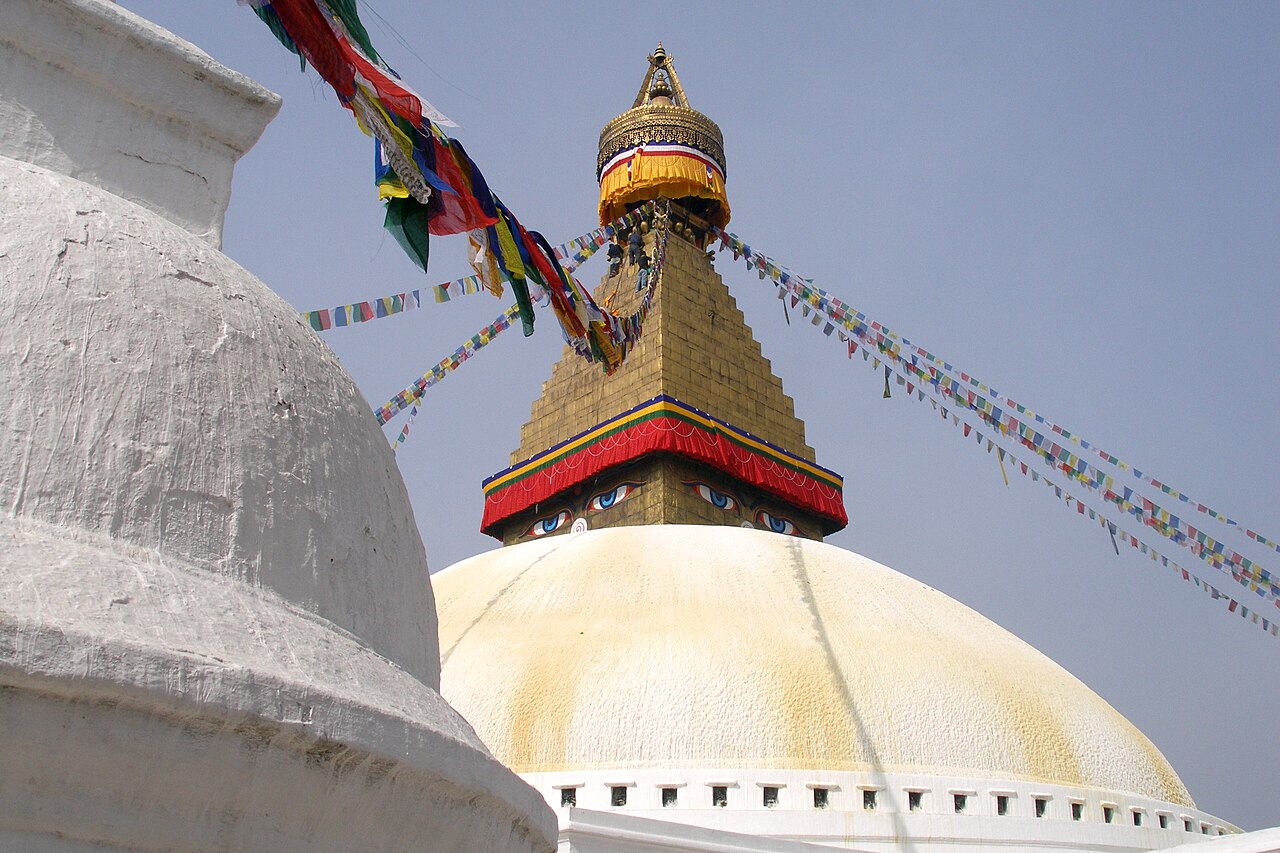
The anchor makes the case in numbers. Kathmandu sits at about 4,386 feet (1,337 meters), the elevation of its Tribhuvan Airport weather station, and its 1991–2020 normals show November as the driest month of the year with about 0.2 inches (6 mm) of rain, against roughly 14.4 inches (366 mm) in July, the wettest. November days in the capital average a high of 75°F (23.6°C) and nights a low of 47°F (8.4°C), while October is warmer at 81°F (27.2°C) but still carries 1.7 inches (43 mm) of rain and the tail of the retreating monsoon. The Kathmandu Valley property itself was inscribed by UNESCO in 1979 as a single site of seven monument zones — the Durbar Squares of Kathmandu, Patan and Bhaktapur, the stupas of Swayambhunath and Boudhanath, and the temples of Pashupatinath and Changu Narayan — and November is the month when all seven can be strung together on foot and by short drives without heat, haze or rain interrupting the sequence.
The national picture follows the same curve with altitude corrections. In the Everest region, Namche Bazaar at 11,286 feet (3,440 meters) averages an October high of 54°F (12.5°C) and a November low of 25°F (-3.8°C), so the high passes are at their most dependable in the first half of November and increasingly serious after it. Autumn also holds the festival peak: Dashain, the country's largest festival, runs for 15 days in September or October, and Tihar, the festival of lights, follows about three weeks later, so an early-November arrival often catches Tihar's lamps in the valley's old cities. Spring, March to April, is the genuine second window — warmer valley days and rhododendron bloom in the mid-hills — but the pre-monsoon haze builds through April and the mountain views soften week by week.
Picture the place
From Swayambhunath's hill on a November morning the valley lies open below the stupa's eyes: three old cities' temple roofs stepping down into the haze-free bowl, and beyond the rim, the white wall of the Langtang and Ganesh Himal standing in a single unbroken line.
The easily missed detail
October's reputation is better than its first fortnight. Because the monsoon's normal withdrawal date is October 2 — and in recent years it has lingered well past that — early October still behaves like the wet season in the valley, with flooded lanes and clouded viewpoints. The month the brochures sell and the month the normals support are separated by about four weeks, and November sits on the right side of that line.
A practical rhythm
- First days — Give the valley the start of the trip: the three Durbar Squares and the two great stupas in November's morning light, while legs and lungs adjust to 4,400 feet before any trek.
- Middle — Move uphill in the second week, when the post-monsoon clarity is at its peak and the high trails have their driest surfaces of the year.
- Last days — Drop to the Terai at the end, where November's cooler nights take the edge off the lowland jungle and the grass is still short enough for wildlife viewing.
What could complicate the plan
Dashain empties the cities and closes offices for days, and transport fills around both great festivals, so a trip straddling them needs its bookings made early. November nights turn cold quickly at altitude — Namche's average low is already below freezing — and a trek that drifts into December trades clear skies for empty lodges and serious cold above 13,000 feet (4,000 meters). Winter in the valley itself, December to February, stays dry but brings January nights near 36°F (2°C) and a dust haze that hides the mountains many mornings.
What to do next
Book the valley days and any trek for November, in that order, and use the beyond-the-highlights answer next to decide where the non-trekking days belong.
Sources
- Nepal Department of Hydrology and Meteorology — the normal monsoon onset of June 13 and withdrawal of October 2 over 112 days, the monsoon's roughly 80 percent share of annual rainfall, and the 1991–2020 Kathmandu normals (November 75°F / 6 mm against July's 366 mm) via the WMO station archive
- UNESCO World Heritage Centre — Kathmandu Valley inscribed in 1979 as one property of seven monument zones: the three Durbar Squares, Swayambhunath, Boudhanath, Pashupatinath and Changu Narayan
- Nepal Tourism Board — Dashain's 15 days and Tihar following about three weeks later in the autumn festival season, and the spring rhododendron season in the mid-hills