New Zealand country guide Food and drink
What local dishes should I try in New Zealand, and where should I look for them?
The short answer
Follow the seasons and the coasts: Bluff oysters in autumn, whitebait fritters on the West Coast in spring, green-lipped mussels in the Marlborough Sounds, crayfish at Kaikōura, a hāngī in Rotorua — and sauvignon blanc from Marlborough, the wine the country sends to the world.
The answer, with local context
New Zealand's table is a calendar before it is a menu. The year's most anticipated opening is the Bluff oyster season: from March into August, dredge boats work the wild oyster beds of Foveaux Strait and land their catch at Bluff, at the bottom of the South Island, where the season is celebrated with a festival each May. The spring equivalent is whitebait — the translucent juveniles of native galaxiid fish, folded through egg into a fritter and eaten on white bread. On the West Coast, where the tradition runs deepest, the Department of Conservation sets a season of just September 1 to October 30, and the catch is rationed, regulated and priced accordingly.
The shellfish map continues north. The green-lipped mussel — sold as Greenshell — is a species found only in New Zealand waters, farmed on longlines in the Marlborough Sounds and the Coromandel; the Sounds town of Havelock styles itself the green-lipped mussel capital and serves them in the local cafés within sight of the rafts. At Kaikōura the signature dish is in the town's name: kai means food, kōura means crayfish, and the rock lobster is still sold from caravans and small restaurants along the shore it was caught from. Pāua, the local abalone with its iridescent shell, appears as fritters and in pies under strict size and catch rules set by Fisheries New Zealand.
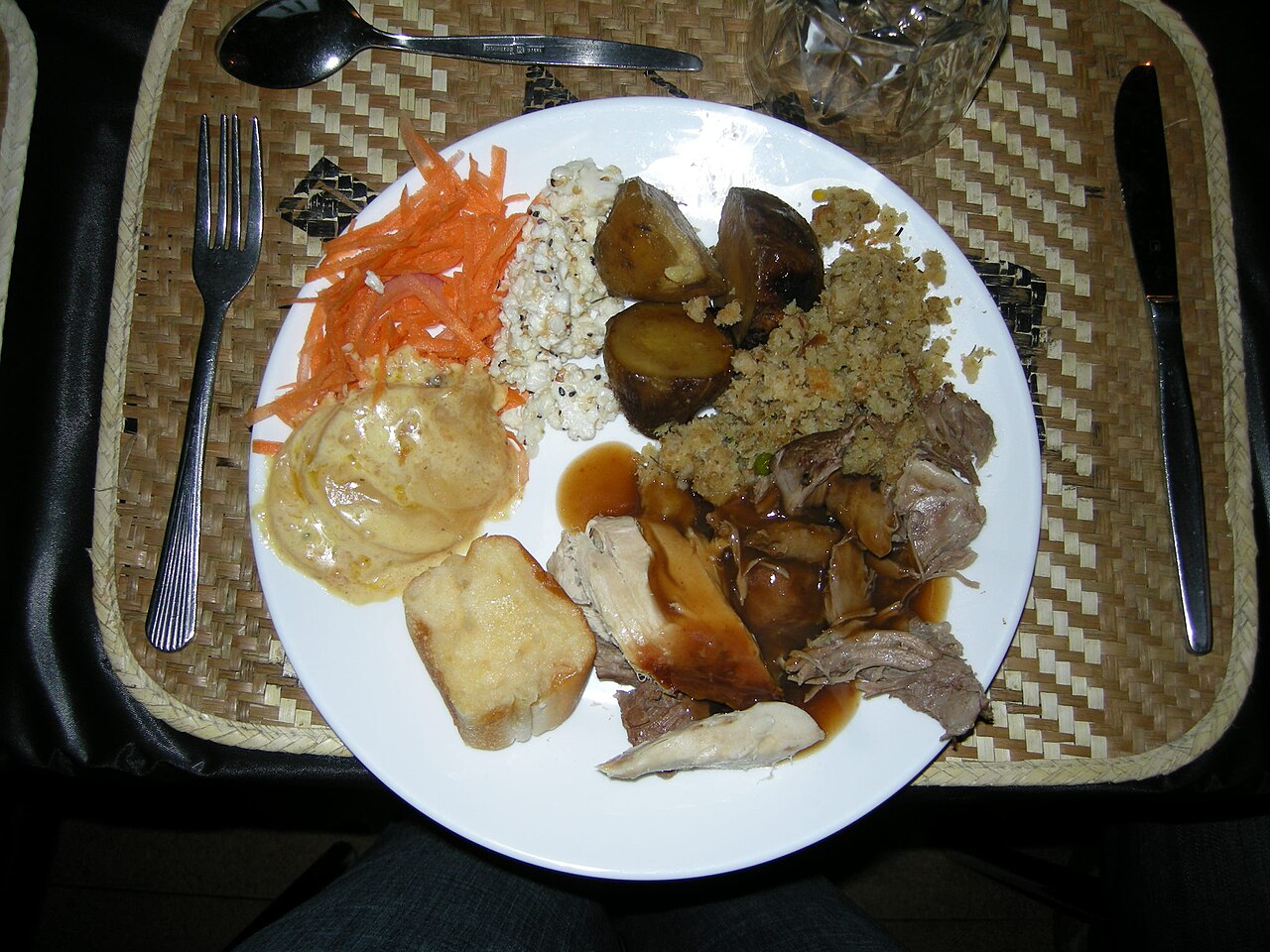
Two dishes carry the country's history. The hāngī — meat, kūmara and root vegetables slow-cooked in an earth oven over heated stones — is Māori cooking in its oldest form; in Rotorua it is served at Māori cultural evenings, and at Whakarewarewa the geothermal version is cooked by the ground itself, with sweetcorn boiled in the alkaline hot pools. Kūmara, the sweet potato at the hāngī's heart, is itself a voyager: it crossed the Pacific in Polynesian canoes centuries before Europeans arrived, and its modern growing center is around Dargaville in Northland.
For the glass and the finale: Marlborough, at the top of the South Island, is the heartland of the country's sauvignon blanc — New Zealand Winegrowers credits the variety with more than 80 percent of the nation's wine exports — while Hawke's Bay pours the reds, syrah above all, from the Gimblett Gravels. Dessert is pavlova, claimed fiercely by Australia too, though University of Otago food historian Helen Leach traced recipes under that name in New Zealand print to the late 1920s, earlier than any yet found across the Tasman. The ice-cream counter's local is hokey pokey — vanilla ice cream studded with honeycomb toffee — routinely described as the country's second-favorite flavour after vanilla itself.
Picture the place
At a West Coast whitebait stand in October the fritter comes off the hotplate the size of a saucer, the fish showing through the egg like silver stitching, eaten standing up with a squeeze of lemon while the river that produced it runs grey-green out of the mountains behind the town.
The easily missed detail
The most theatrical cooking in New Zealand has no kitchen. At Whakarewarewa in Rotorua, guides lower sacks of sweetcorn into the boiling alkaline pools in the morning and lift them out cooked for lunch — a method the village's residents have used for generations, in the same geothermal field where the hāngī's steam rises. The corn tastes faintly of the earth it was cooked in, which is the point.
A practical rhythm
- Morning — Bakery first: the country's cafés and bakeries set the day's tone, and a pie or a cheese roll in the Southland style is breakfast as much as lunch.
- Midday — Match the meal to the map: mussels in Havelock, crayfish in Kaikōura, fish and chips where the boats land — eaten within sight of the water whenever the route allows.
- Evening — The hāngī belongs to the evening, at a Rotorua cultural performance where the lifting of the earth oven is the ceremony; book it as the day's main event, not an afterthought.
What could complicate the plan
The calendar is unforgiving: outside March to August there are no Bluff oysters worth the name, outside the short spring season the whitebait fritter disappears or arrives at a price that needs explaining, and pāua and crayfish carry seasonal closures and strict limits that reputable operators observe. Travelers who build a food trip around a single ingredient should set the dates by that ingredient first — the timing answer in this group gives the seasons their order.
What to do next
Choose one seasonal pilgrimage — Bluff in autumn or the West Coast in spring — and let the rest of the menu come to you along the road.
Sources
- Fisheries New Zealand (Ministry for Primary Industries) — the regulated seasons and limits behind Bluff oysters, whitebait and pāua
- Department of Conservation — the West Coast whitebait season of September 1 to October 30
- New Zealand Winegrowers — Marlborough's place in the industry and sauvignon blanc's share of more than 80 percent of wine exports
- Tourism New Zealand — the hāngī tradition, geothermal cooking at Whakarewarewa, and the regional dishes of Kaikōura and the Marlborough Sounds