Okavango Delta / Botswana Things to do
What are the most worthwhile things to do in Okavango Delta on a first visit?
The short answer
Experience the Okavango by guided mokoro, boat and wildlife drive, choosing a camp or reserve that can actually offer your preferred combination rather than assuming every island permits every activity.
The answer, with local context
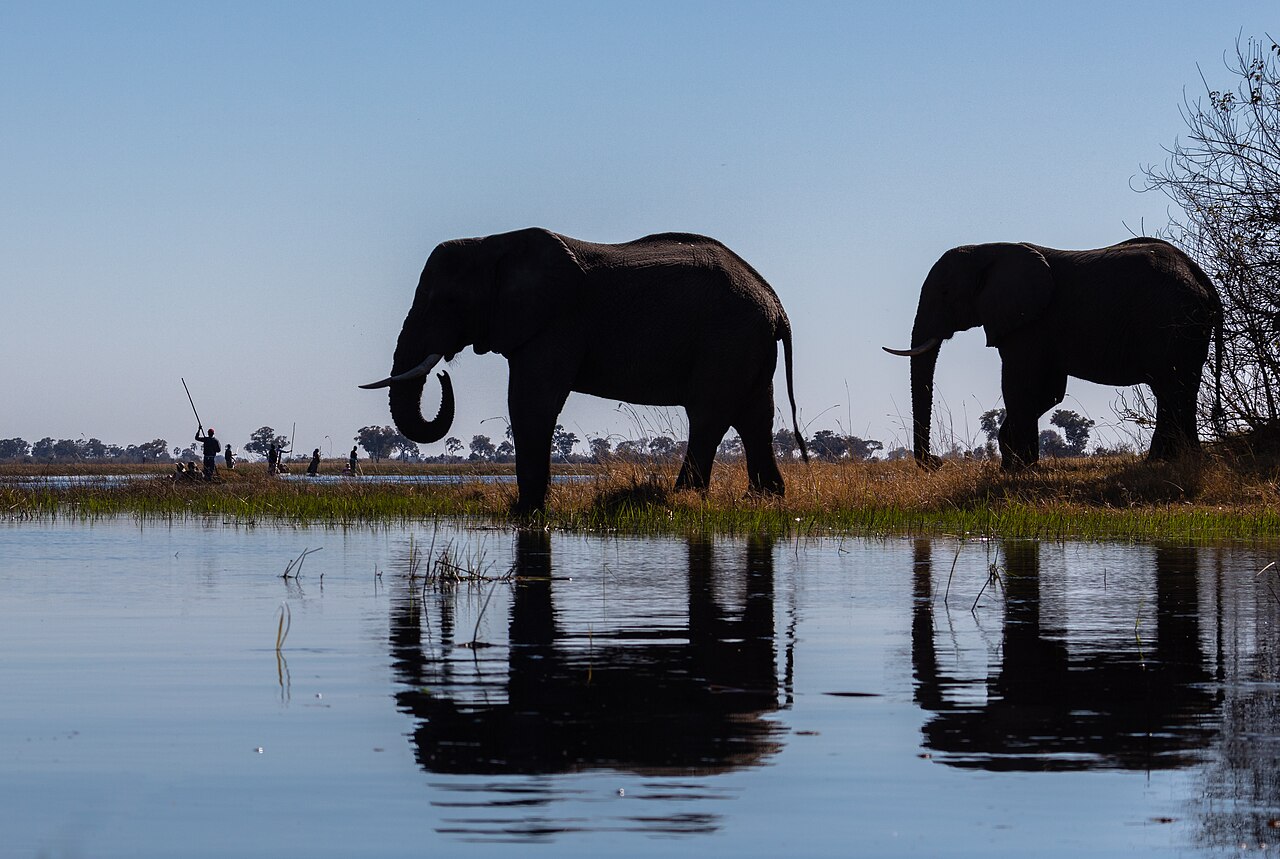
The traditional mokoro canoe is a signature Okavango experience. A local guide moves quietly through shallow water and reeds, allowing views of the wetland at water level. Motorboats use larger channels, while walking safaris and vehicle drives depend on the concession, the guide and the applicable park or reserve rules. Botswana Tourism identifies the delta as habitat for mammals, birds, fish and reptiles, with 444 bird species noted in its destination account. Species associated with the wider system include elephant, hippopotamus, lion and African wild dog, but no single excursion guarantees a sighting.
For a land-focused safari, Moremi Game Reserve is important. The reserve was established in 1963, is approximately 3,900 square kilometers, and protects a mixture of floodplain, woodland and islands. Its roads and accessible sectors are not the entire delta. Game-viewing drives in Moremi need proper park entry and should respect designated routes; being driven on an unofficial track is not a harmless shortcut.
If time allows, contrast a water-based camp with a place where vehicle-based drives are possible. The annual flood arrives during the local dry season, which means there may be plenty of water even when there is little rain falling at camp. That unusual rhythm is why the protected delta was added to UNESCO’s World Heritage List in 2014. The listing is specific about it: UNESCO inscribed the delta under criteria (vii), (ix) and (x) across 2,023,590 hectares, with a buffer zone of a further 2,286,630 hectares, and the citation turns on the flood pulse arriving in the dry winter season, with the delta's plants and animals having timed their life cycles to it.
Picture the place
From a mokoro, papyrus and reeds stand nearly at eye level; from a vehicle, the same landscape becomes a sequence of open floodplains and treed islands.
The easily missed detail
Moremi and the broader delta are related but not synonymous. Your route, permit, available transport and wildlife activity all depend on which one you have actually booked.
A practical rhythm
- First outing — Choose a qualified guide for a mokoro or channel-boat excursion in an active water area.
- Second outing — Use a legal drive route in Moremi or a concession that expressly permits game viewing.
- Extra time — Spend part of a morning observing birds and smaller wetland life rather than focusing only on large mammals.
What could complicate the plan
Cropping distances near large animals and floating near hippopotamus require professional guidance; independent boating is not appropriate. Moremi entry is regulated, road conditions can require four-wheel drive, and isolated camps may rely on air transfers and advance reservations.
What to do next
To choose the season for these activities, see . explains why food options are unlike those of an ordinary town destination.
Sources
- UNESCO World Heritage Centre, Okavango Delta — inscription criteria (vii), (ix) and (x), the 2,023,590-hectare property with its 2,286,630-hectare buffer zone, and the dry-season flood pulse
- Botswana Tourism Organisation, Okavango — mokoro, boating, birdlife and species
- Botswana Tourism Organisation, Moremi — reserve extent, legal distinction and establishment
- Botswana Wildlife Conservation and National Parks Regulations — permit and park-entry conditions; statutory text, verify current amendment before quoting fees
- U.S. State Department — entry and remote-area transport constraints