Okavango Delta / Botswana When to visit
When should I visit Okavango Delta, Botswana, for the best experience?
The short answer
June through August is an excellent period for the Okavango Delta’s high-water safari experience, because a flood pulse from upstream reaches the inland wetland during Botswana’s relatively dry winter.
The answer, with local context
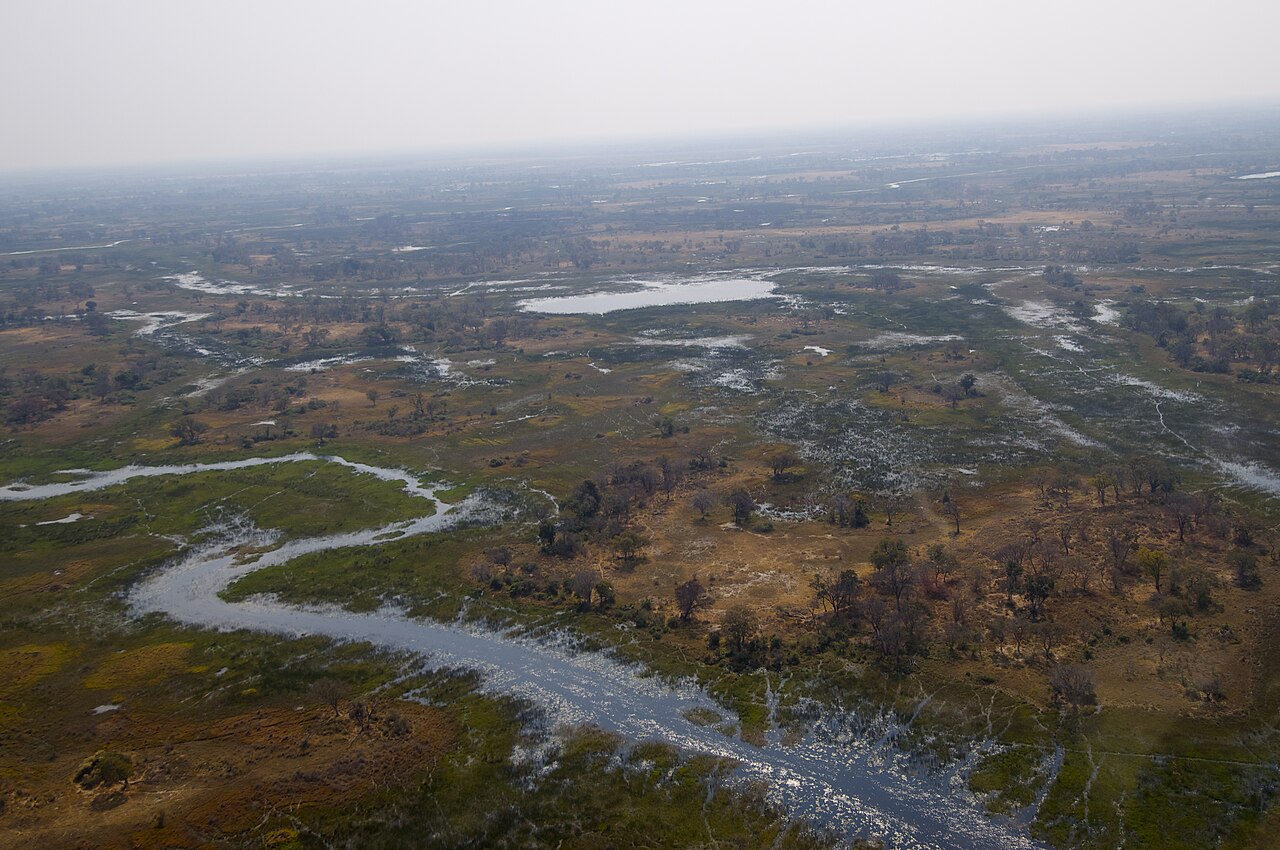
The Okavango behaves differently from a conventional rainy-season wetland. Rain falling in the Angolan highlands travels through the river system and spreads across Botswana’s inland delta months later. UNESCO, which inscribed the Okavango Delta in 2014, highlights the remarkable fact that the annual flooding peaks in the dry season. That creates a landscape of permanent channels, seasonal floodplains and islands. High water often favors mokoro canoe and boat excursions, while seasonal dry ground offers wildlife drives where access is permitted.
The term “Okavango Delta” covers far more than a single gate-controlled national park. Moremi Game Reserve, established by local Batawana communities in 1963, protects about 3,900 square kilometers of the delta and includes areas associated with Chief’s Island and Third Bridge. Entry to Moremi is subject to reserve permits and regulated access, whereas private concession lodges operate under their own arrangements. A lodge marketed as an “Okavango safari” is not necessarily located inside Moremi.
May through September tends to have cool or cold mornings and lower rainfall. Late winter into spring may be appealing for wildlife around remaining water, but boat routes can change as channels recede. Botswana Tourism describes the delta as habitat for more than 400 bird species, alongside large mammals and a diverse freshwater fish community. The optimal choice depends on whether a traveler values a traditional canoe journey, a land game drive or a combination of both.
Picture the place
Reeds line narrow channels, and low islands rise above shallow water while the surrounding season can be dry; the wetland’s green patches contrast strongly with the wider Kalahari environment.
The easily missed detail
Flooding at the driest time of year is the delta’s defining planning fact. Choosing dates by the local rainy season alone can lead to the wrong expectation about canoe access.
A practical rhythm
- Morning — Take a guide-led mokoro excursion from a camp in an operating channel area.
- Midday — Rest during the stronger sun or look for wildlife from a shaded authorized boat.
- Late day — Join a permitted wildlife drive in a suitable concession or reserve zone.
What could complicate the plan
Moremi requires the relevant entry authorization, and remote camps often involve light aircraft or specialized road transfers. Water levels are variable by channel and year; a mokoro cannot be guaranteed from every camp. U.S. visitors are generally visa-free for stays up to 90 days but must meet Botswana passport-entry requirements.
What to do next
covers the most rewarding activities in the delta, and explains the realities of dining in remote safari camps.
Sources
- UNESCO World Heritage Centre — dry-season flood pulse and wetland ecology
- Botswana Tourism Organisation, Okavango — mokoro, boating, birdlife and species
- Botswana Tourism Organisation, Moremi — reserve extent, legal distinction and establishment
- Botswana Wildlife Conservation and National Parks Regulations — permit and park-entry conditions; statutory text, verify current amendment before quoting fees
- U.S. State Department — entry and remote-area transport constraints