Oman country guide When to visit
When is the best time to visit Oman for Muscat?
The short answer
January — Muscat and the northern mountains, deserts and wadis are in their cool, dry prime, even though Oman's green south runs on the opposite calendar and must be saved for summer.
The answer, with local context
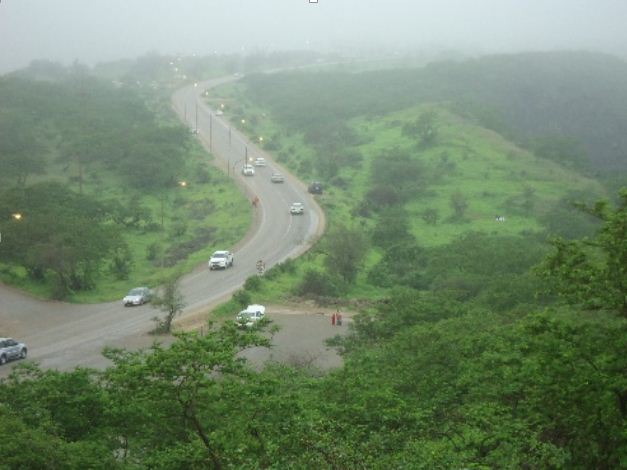
Oman is the rare country with two high seasons that never meet. The north — Muscat, the Al Hajar Mountains, the Sharqiyah desert — belongs to winter, when the heat breaks and the interior opens up. The south, Dhofar, belongs to the khareef, the southwest monsoon whose official season runs from June 21 to September 21 under the Dhofar authorities: for those three months mist and drizzle wrap Salalah, temperatures sit between 68°F and 82°F (20–28°C) while the rest of Arabia swelters, the hills turn green and the waterfalls run. The season's pull is measured by the National Centre for Statistics and Information, which counted 1,116,051 visitors to Dhofar between June 21 and August 31 in the 2026 khareef alone. A traveler can have the green south or the cool north at their best, but not on the same trip.
January is when the anchor city and everything behind it align. Muscat stretches for roughly 31 miles (50 km) along its coast, and January is the month when that whole string of districts — Mutrah, Old Muscat, the modern western suburbs — can be covered on foot in morning and evening without the day collapsing at noon. Inland, the altitude ladder rewards the same choice: the Saiq Plateau on Jebel Akhdar stands at about 6,562 feet (2,000 meters), high enough for frost on the terraces in January, while Jebel Shams, at 9,872 feet (3,009 meters), is the highest ground in the country according to the Ministry of Tourism. Winter is also wadi season and desert season in the north, when the Sharqiyah camps operate in cool nights and the canyon tracks are dry.
What January gives up is specific and worth naming. The khareef's green Dhofar is five months away and brown by winter — Salalah in January is a pleasant beach town, not the misty anomaly. The turtles of Ras al Jinz, where up to 20,000 green turtles nest in a year along the eastern beaches, peak between July and September, though nesting and hatching straggle across the summer half of the year. And Jebel Akhdar's famous second act, the Damask rose harvest that fills the plateau villages with distilling rosewater, runs from late March to mid-April by the agriculture ministry's reporting — a spring trip's prize, not a winter one. January wins because it is the only month when the capital, the mountains, the desert and the wadis are all simultaneously at ease.
Picture the place
Winter light on the northern coast is hard and clean: white fort walls against brown mountains, the sea a flat blue plate, and by four in the afternoon the shadows of the Al Hajar already reaching across the coastal plain toward Muscat.
The easily missed detail
The khareef is a monsoon, which means Oman's green season is its wet season — the one part of Arabia where summer visitors pack for drizzle, fog and closed sea swimming rather than heat. Travelers who book Salalah in July expecting the Gulf's usual blue skies have read the temperature chart and missed the phenomenon entirely.
A practical rhythm
- North in January — Build the trip as Muscat, then the interior forts and mountains, then a desert night, in that order, while the whole northern arc is in season at once.
- South separately — Treat Dhofar as its own journey between late June and mid-September, peaking in late July and August when the green and the waterfalls are fullest.
- Spring alternative — If roses outrank turtles and khareef, shift the northern trip to late March and take Jebel Akhdar's harvest instead of January's frost.
What could complicate the plan
Winter rain, when it comes to the north, arrives as short violent bursts that flood wadis and close mountain tracks for hours — the same dry channels that make January walking so good become dangerous in a storm, and Civil Defence warnings govern those days absolutely. January is also peak demand in the north, so desert camps and mountain hotels carry their highest rates of the year. Ramadan, which moves through the calendar, quiets daytime eating everywhere in the country while making evenings festive; its dates, not the weather, decide how a trip in that month feels.
What to do next
Fix January for the Muscat-based northern trip, and use the next answer to choose which of Oman's older, stranger sights fill the interior days.
Sources
- Dhofar Municipality and Oman Ministry of Heritage and Tourism — the official khareef season of June 21 to September 21, with Salalah temperatures of about 68–82°F (20–28°C) in the monsoon
- National Centre for Statistics and Information, Oman — 1,116,051 visitors to Dhofar between June 21 and August 31 in the 2026 khareef season
- Oman Ministry of Tourism — Jebel Shams at 3,009 meters as the country's highest mountain, and the Saiq Plateau of Jebel Akhdar at about 2,000 meters
- Ras al Jinz Turtle Reserve — up to 20,000 green turtles nesting annually, with peak activity from July to September