Palau country guide Trip planning
How can I plan a memorable first trip to Palau without rushing?
The short answer
Give Palau 8–10 days on a Koror base: 3 lagoon days spread apart, 1 Babeldaob road day, 1 Peleliu day, and slack built in for weather and boats — Palau is small (about 18,000 people, 16 states) but its pleasures are scheduled by tides, permits and a handful of weekly flights, and rushing it wastes all 3.
The answer, with local context
The plan's spine is access. Palau has 1 international airport (Roman Tmetuchl, on Airai, Babeldaob) reached on a short list of lifelines: United from Guam (the workhorse route, near-daily) and from Manila, China Airlines from Taipei, and seasonal/regional services that shift by year — there is no daily redundancy, so the itinerary is built inside the flight days, and a missed connection costs a day, not an hour. Entry (covered in this guide's first answer) is simple for Americans: no visa for up to 1 year, passport valid 6 months, the online Palau Entry Form within 72 hours, the Pledge signed at immigration, the $100 environmental fee already inside the ticket. Base in Koror: the town holds the hotels (Palau Royal Resort and the West Plaza/Penthouse tier down to diver lodges), the dive and tour operators, the restaurants and the museum — everything offshore Palau is done as a day trip out of Koror, and the liveaboard alternative (for divers) trades the town for the far southern sites and should be chosen only if diving is the whole point.
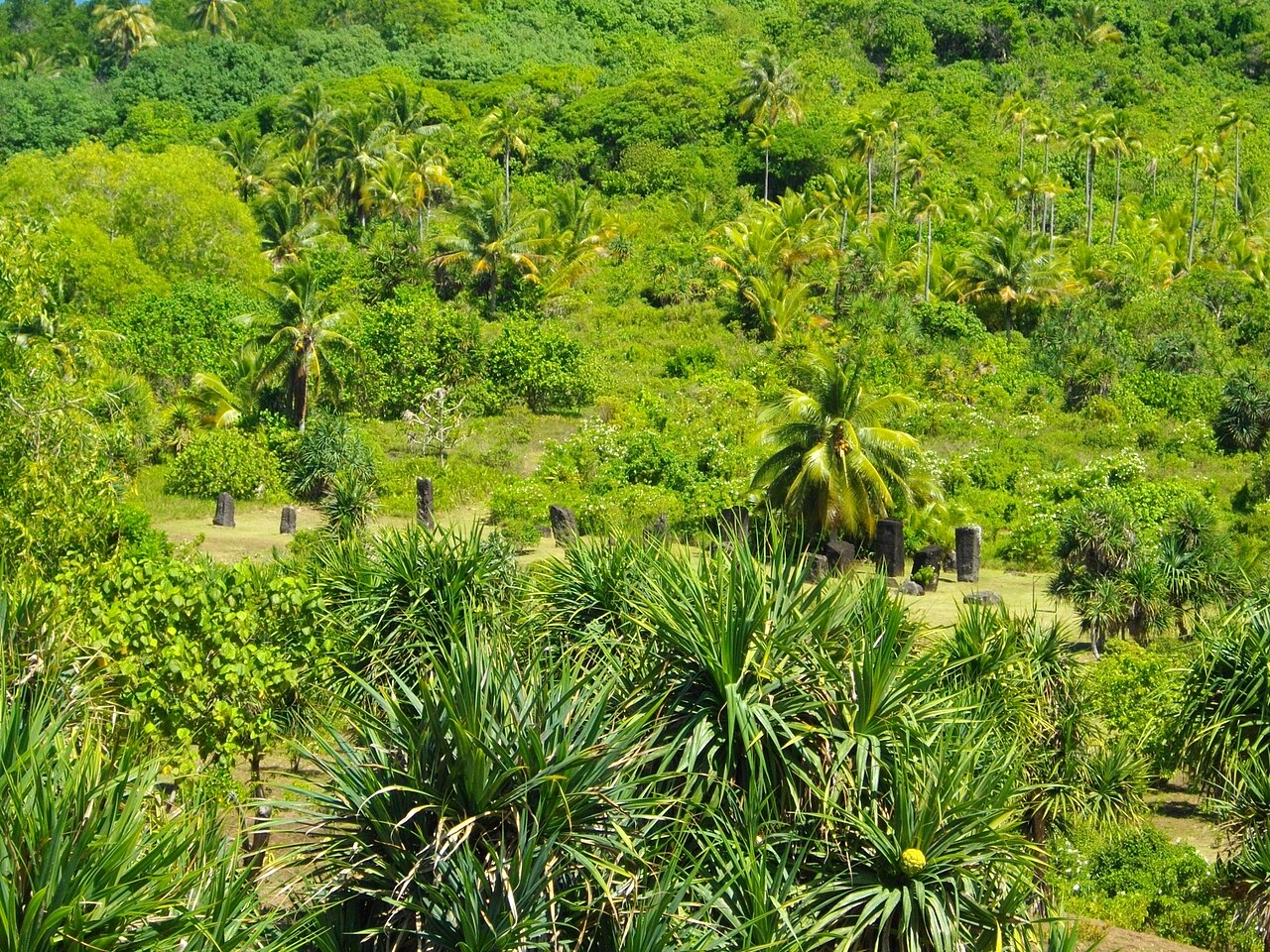
Sequence the days by energy and weather logic. Day 1: land, the museum, permits bought through your operator (the $100 Jellyfish Lake permit if the lake is on the list, valid per Koror State's schedule — align its validity window with your lagoon days, not your arrival day). Days 2–4: the lagoon trilogy, spaced: a dive/snorkel day on the outer walls (Blue Corner, German Channel), a Rock Islands classic day (Jellyfish Lake, Milky Way's white-mud lagoon, the long beach picnics), a kayak or slow-boat day among the mushroom islands. Days 5–6: the land — the Compact Road circuit of Babeldaob (Airai bai, Ngardmau Falls, Badrulchau, Ngerulmud, Lake Ngardok) and the Peleliu battlefield day, each a full excursion, each weather-contingent in opposite directions (falls after rain, Peleliu in calm seas). Days 7–8+: the returns and the remainders — a second Blue Corner in different tide, Kayangel atoll to the far north if boats are running (Palau's northern frontier, a half-day's boat each way and often an overnight in practice), an Ngemelis wall snorkel, or simply Koror at local pace: the aquarium (Palau International Coral Reef Center), the night market, a chief's bai visit arranged through the museum. Population is about 18,000 (2020 census), some two-thirds of them in Koror state — the whole nation is a small town with an ocean, and unhurried travelers who learn 6 faces will be greeted by name by day 4, which is Palau's real souvenir.
Money and mechanics: USD throughout (cash for state permits and trailheads; cards in Koror's hotels and larger restaurants), driving on the right if you rent, no public transport worth planning around (hotel shuttles and taxis), and connectivity good in Koror, thin offshore. Medical: Koror's Belau National Hospital handles the routine; anything serious is a medevac to Guam or Manila, and the State Department's Level 2 note for the Rock Islands (no emergency infrastructure) makes evacuation cover and dive insurance the trip's most adult purchase.
Picture the place
The 8th evening, unplanned: the night market's taro stalls, your boat captain's family at the next table, and the lagoon going violet behind them — the day the schedule left blank turning out to be the one you describe at home.
The easily missed detail
Sequence the permits, not just the days: because the Jellyfish Lake permit's validity window runs from purchase (10 days on Koror State's fact sheet; operators have reported 5), a 9-day trip that buys it on arrival can watch it expire before the lake day arrives — operators know this and sell against your boat days; let them. The second detail is the calendar's chiefly layer: Palau's states hold traditional events, funerals and council days that close sites and still whole villages without online notice; the museum and your operator read this calendar natively, and asking "what is on this week" on day 1 quietly protects days 5 and 6.
A practical rhythm
- Flights frame everything — Build the trip inside the Guam/Taipei/Manila timetables, with a buffer day at the end
- 3 lagoon days, never consecutive — Walls, lake, kayak: variety plus weather insurance
- 1 island, 2 registers — A Babeldaob road day and a Peleliu day for every 3 days on the water
What could complicate the plan
The flight map is the fragility: a handful of weekly rotations on 3 routes means a cancelled service can strand or compress the trip, and the Guam connection (with its own typhoon season, June–November in the Marianas) is the classic break point — buy the buffer day and the insurance. The wet season (May–October) scrambles the offshore plan specifically (Peleliu and Kayangel boats cancel; the falls flourish, perversely) while March-peak pricing scrambles the budget; a trip that must be March should be booked months out, rooms and boats both. Jellyfish Lake's status is a live variable (CRRF counts), permits' validity has been in flux, and state fees multiply in cash — the plan absorbs all 3 by keeping lagoon days movable and the wallet stocked with small bills. Finally, respect is operational here: villages and bais are governed spaces, dress modestly off the beach in Babeldaob's states, ask before photographs of people and meeting houses, and observe the occasional curfews traditional leaders set in Koror — the Pledge you signed is enforced socially, and gladly.
What to do next
Book the flights and Koror room for a March window 3 months out, hold the lake permit purchase until your boat days are set, and leave day 8 empty on purpose.
Sources
- U.S. Department of State, Palau — entry (no visa for U.S. citizens up to 1 year; passport 6 months; Entry Form; $100 fee in ticket); Level 2 note for outlying islands
- Palau Visitors Authority / Koror State — permits and their validity; the operator network; state fees
- Palau National Census 2020 — population about 18,000; Koror's share
- Coral Reef Research Foundation — Jellyfish Lake monitoring
- Airline schedules — United (Guam, Manila) and China Airlines (Taipei) services to Roman Tmetuchl International Airport