Papua New Guinea country guide Food and drink
What local dishes should I try in Papua New Guinea, and where should I look for them?
The short answer
The mumu earth-oven feast above all (pork, kaukau and greens steamed over hot stones in banana leaves), sago in its Sepik forms, Highlands sweet potato and corn, and Port Moresby's hotel tables and markets: PNG food is garden food — cooked in earth, leaf and coconut — and the feast is its highest form.
The answer, with local context
PNG's kitchens are its gardens, and the garden's queen is kaukau — sweet potato, the Highlands' staple since its arrival a few centuries ago remade high-altitude farming (the same Kuk landscape in the last answer grows it today). Around kaukau the country's regions plate differently, and a food trip follows the regions. In the Highlands the celebratory center is the mumu: an earth oven of fire-heated stones, layered with banana leaves, whole pig (the prestige meat, raised for feasts and bride-price as much as dinner), kaukau, cooking bananas, corn cobs and greens (aibika, pumpkin tips), sealed with leaves and earth and steamed in its own juices — the dish of sing-sings, compensations and weddings, and the table a visitor is most honoured to be seated at; tourist lodges and village stays arrange smaller mumus, and show-week in Goroka and Hagen is mumu season. On the Sepik and the lowland rivers, sago is the starch: the pith of the sago palm washed, stored and cooked into pancakes on hot plates or into saksak (sago dumplings in coconut and banana leaf), eaten with river fish and the sago grubs (the palm-weevil larvae, eaten raw or roasted) that are the river's delicacy and the visitor's test of nerve. The coasts plate the Pacific register — fish, taro, yams and coconut cream (with the eastern islands adding the great yam feasts of the Trobriands, where the harvest is wealth, architecture and menu at once).
Port Moresby is where the traveler actually eats most meals, and its geography is hotel-and-market: the big hotels (the Stanley, Airways, Hilton) run the city's serious restaurants, mixing PNG ingredients into international menus (Highlands vegetables, coastal fish, the country's own coffee and vanilla at the end); Gordons Market — the capital's vast produce market — displays the national pantry in one walk (kaukau varieties, sago, greens, betel nut, Highlands coffee beans, bilums of produce), visited with a guide or hotel escort in daylight; and the city's cafés pour PNG coffee with justice — the Highlands grow respected arabica (the Goroka and Mount Hagen belts), and a bag of single-origin beans is the souvenir that survives the trip home. Betel nut (buai), chewed with lime powder and mustard stick, is the national social habit — its red smile is PNG's handshake; partaking is optional, refusing politely is normal, and selling buai built an informal economy of its own. Water: town supplies in hotels are treated; elsewhere bottled — and in village settings, the mumu's own steam is your friend (eat what comes off the stones hot, drink what is boiled or bottled).
Picture the place
A mumu opened at dusk: banana leaves peeled back in a cloud of steam, pork and gold kaukau glistening, the whole village's week of preparation arriving at 1 long sitting.
The easily missed detail
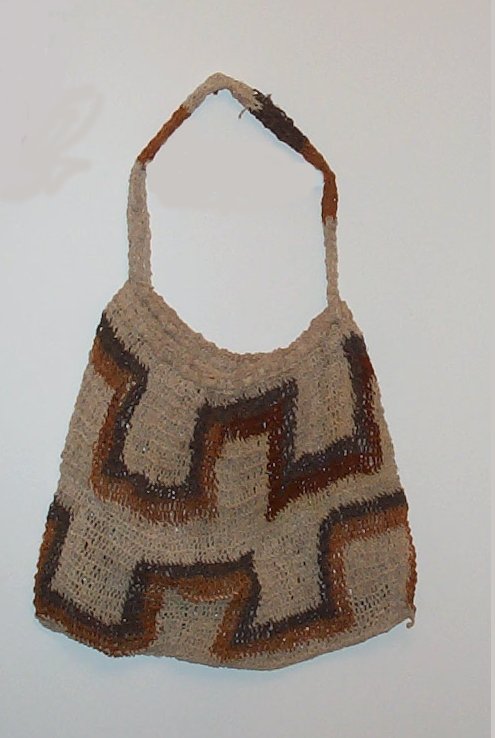
The pig is not dinner, it is currency: in Highlands exchange systems pigs move through bride-price, compensation and feast obligations as stored wealth, which is why mumu pork tastes of ceremony and why a whole-pig mumu is arranged, announced and attended rather than ordered — the tourist version at lodges (a quarter pig, same stones, same leaves) is the honest adaptation, and joining a genuine village mumu, when an operator's invitation lands, outranks any restaurant in the country. The second detail is in the bilum on your shoulder: the string bag that carries every PNG market load is itself women's art and economy (looped from bush fibre or wool, patterned by region) — buying bilums at markets is the food trip's best non-food souvenir, and every kina goes to the maker.
A practical rhythm
- A lodge mumu once — Booked through your Highlands lodge in show week if timing allows
- Markets with a guide — Gordons in Port Moresby and Goroka's market in the cool of the morning
- Coffee as the daily ritual — Highlands arabica at breakfast, beans bought at source in Goroka or Hagen
What could complicate the plan
Markets and movement carry the safety rules of the whole guide: Gordons and the urban markets are visited in daylight with a guide or escort, valuables left at the hotel — the same advisory environment (Level 3) applies to lunch as to everything else. Food safety is the village register: the mumu is safe by its nature (thorough steaming), but raw preparations, stored sago and market ready-foods in the heat ask for judgement, and tap water outside the hotels' treated systems is avoided. Supply shapes menus as everywhere in the Pacific: imported goods ride Air Niugini's freight schedules, restaurant kitchens in the provinces simplify to what the town has, and alcohol service is patchy (licensing varies by province and some areas restrict sales around paydays and elections). Vegetarians actually eat well in the garden register (kaukau, greens, corn, bananas, sago — the mumu layers vegetables by design), but protein beyond garden and egg is pork-shaped, and declaring dietary needs to lodge kitchens a day ahead is the working method.
What to do next
Arrange 1 mumu through your lodge, market-walk Gordons with a guide on a Port Moresby morning, and buy coffee and a bilum where they are made.
Sources
- PNG Tourism Promotion Authority — the mumu tradition; sago and saksak; regional foodways
- Ethnographic record — kaukau (sweet potato) and Highlands exchange systems; Trobriand yam culture; betel nut (buai) practice
- PNG coffee industry record — Highlands arabica (Goroka and Mount Hagen belts)
- U.S. Department of State / FCDO advice — market and movement precautions in Port Moresby