Rotorua / New Zealand When to visit
When should I visit Rotorua, New Zealand, for the best experience?
The short answer
October to the end of June is the widest window, because that is when the Rotorua lakes' sports-fishing season is fully open — the Eastern Fish & Game region's Anglers Notice for 2026 comes into force on 1 October 2026, and lakes Tarawera, Rotoiti and Okataina run from 1 October to 30 June.
The answer, with local context
Rotorua's seasons are not really about heat. NIWA's description of the central North Island, which groups Rotorua with Hamilton and Taupō, puts typical summer daytime maximum air temperatures between 21°C and 26°C (70°F and 79°F) and annual sunshine at 2,000 to 2,100 hours in most places — a regional characterization rather than a Rotorua station normal, and a fairly narrow band either way.
What does change sharply with the calendar is access to water. Lake Rotorua itself is open all year to fly and spin fishing, and so are Rotoma, Ōkāreka, Rotomahana, Rerewhakaaitu, Rotoehu, Tikitapu, Ōkaro, Ngāhewa and Ngāpouri. Rotoma inverts the usual pattern: it is open year-round while its winter shoreline spawning areas close from 1 October to 30 June. On Tarawera, the designated winter shoreline stretches — Tarawera Outlet to Te Tapahoro Bay, and The Landing to Otumutu Lagoon — stay open all year for shoreline fishing, but no trout may be taken from a boat there between 1 July and 1 October. Fishing is prohibited everywhere between midnight and 5:00 a.m.
The geothermal ground runs on no season at all. The Department of Conservation's Waiotapu Boardwalk, about 27 km (17 miles) south of Rotorua off State Highway 5 via Loop Road, sits in the under-1-hour bracket at roughly 2 minutes' walk each way, is rated at the easiest grade and has wheelchair access.
Picture the place
At Waiotapu the pool does the work: steam and gases push up from below and break the surface as mud bubbles that swell and burst. The site was once New Zealand's largest mud volcano, and its original cone stood until 1925; what is left is an eroded crater now filled with water and mud.
The easily missed detail
The fishing calendar, not the weather, is the thing that will actually close a plan. All the streams flowing into Lake Tarawera are shut at all times, along with a long list of streams around Rotoma, Rotoehu, Rotomahana, Rerewhakaaitu, Ōkāreka, Okataina and Rotoiti, with the Ohau Channel and the Kaituna River as the exceptions. The Tarawera Outlet Spawning Sanctuary is closed permanently and boats may not pass through it. The Tarawera River between the outlet and the falls is fly-fishing only, and only from 1 October to 31 May.
A practical rhythm
- First light — No fishing is permitted between midnight and 5:00 a.m., so 5 a.m. is the earliest legal start and worth taking in summer.
- Middle of the day — Hand the hottest hours to the thermal ground; the Waiotapu boardwalk is a 2-minute walk with no shade problem to solve.
- 1 July to 1 October — If you are here in winter, fish Tarawera's shoreline areas from the bank, because the boat ban applies to exactly that stretch in exactly those months.
What could complicate the plan
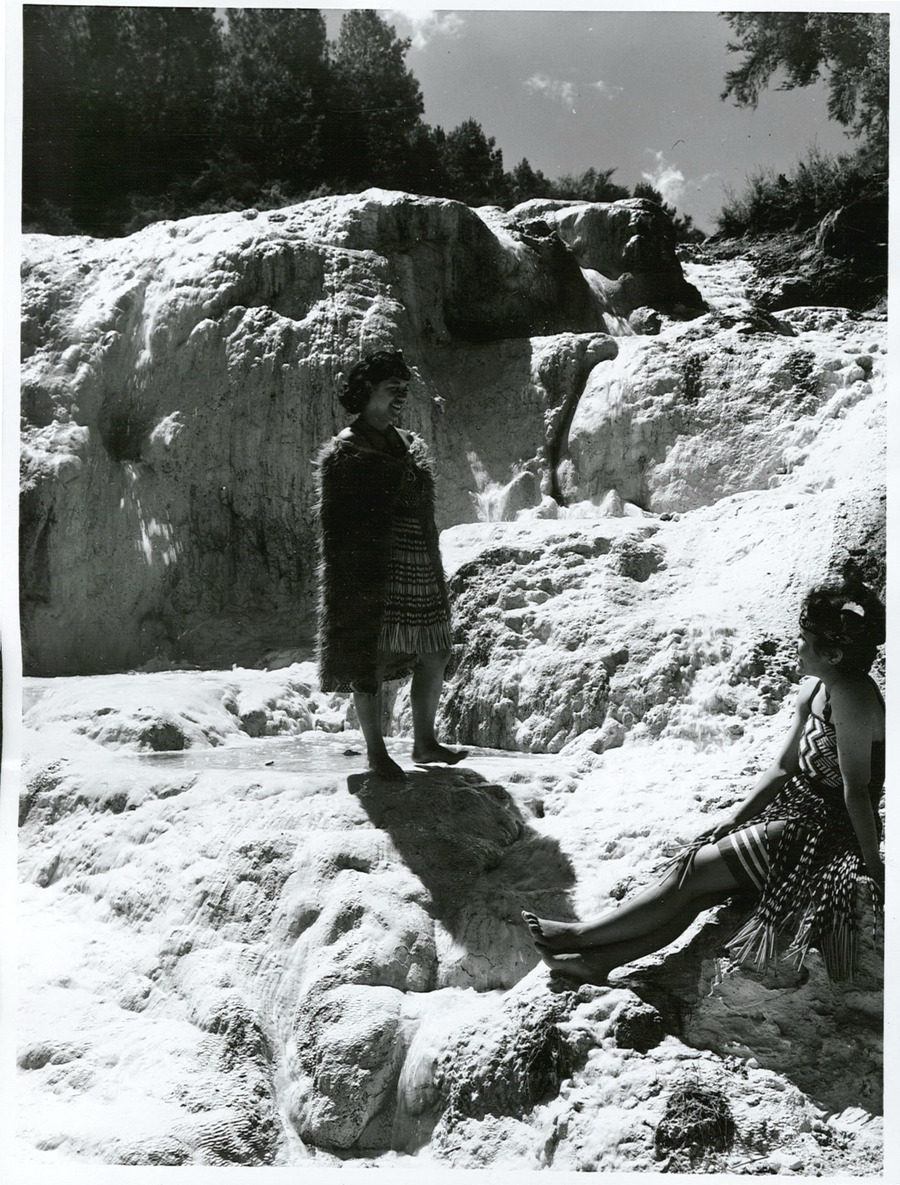
New Zealand's International Visitor Conservation and Tourism Levy is NZD 100 and is charged each time you request an NZeTA or apply for a visa that includes it, and it is not refunded even if the application is declined — so a second request means a second NZD 100. Holders of Australian and New Zealand passports and many Pacific Island passports are exempt, as are passengers transiting through Auckland International Airport and holders of New Zealand resident visas, Australian Resident Visas, Business Visitor Visas or APEC business travel cards. On the ground, the Department of Conservation is blunt about geothermal hazard: thin crust can give way, hot gases and fluids cause burns, and the air can carry dangerous levels of carbon dioxide and sulphur gases, so stay inside managed sites and off the silica terraces.
What to do next
The Rotorua things-to-do answer in this group covers Te Puia and the Whakarewarewa geysers, and the food answer explains why the trout you eat here has to be caught rather than bought.
Sources
- Fish & Game New Zealand, Eastern region sports fishing regulations 2026/27 — the 1 October 2026 Anglers Notice, lake-by-lake season dates, winter shoreline provisions, the midnight to 5:00 a.m. closure, closed streams, the Tarawera Outlet Spawning Sanctuary
- NIWA — central North Island summer maximum temperature range and annual sunshine band
- Department of Conservation — Waiotapu Boardwalk distance from Rotorua, access route, grade and wheelchair access, the 1925 mud-volcano cone, geothermal hazards and conduct rules
- Immigration New Zealand — the NZD 100 levy, when it is charged, non-refundability, and the exemption categories