Scottish Highlands / United Kingdom Food and drink
Where should I eat in Scottish Highlands, and which local food or drink is worth trying?
The short answer
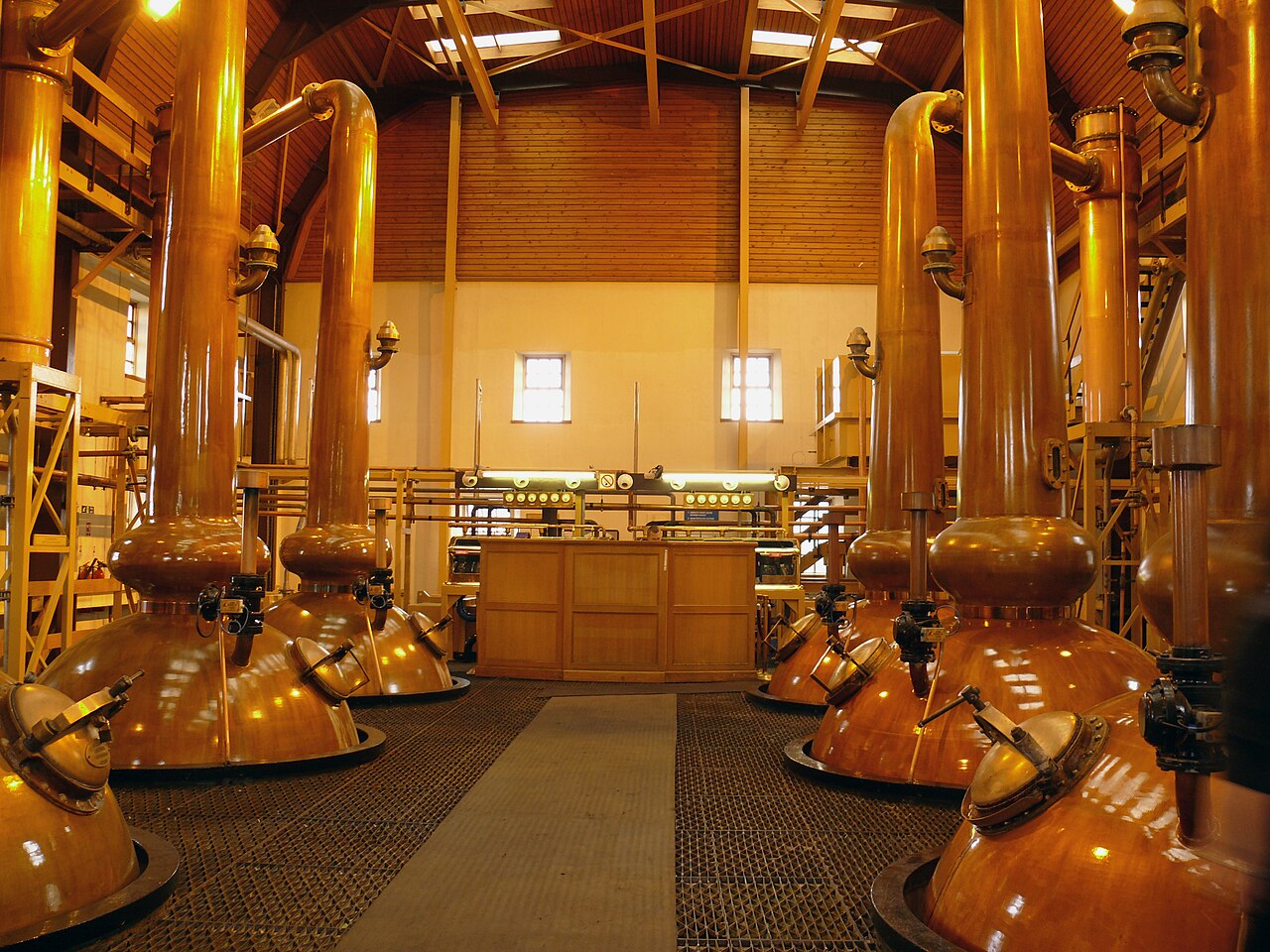
Seafood where it lands — Mallaig, Oban and the Skye harbours; haggis and venison in the inn dining rooms; Cullen skink where it was invented on the Moray Firth — and whisky at the source, in the still houses of Glenmorangie, Oban and Talisker.
The answer, with local context
The Highlands cook from larder and latitude, and the first rule is to follow the boats. The west coast's fishing ports land the region's glory: langoustines, hand-dived scallops, mussels and crab from Loch Linnhe and the Sound of Sleat, eaten within sight of the water — Mallaig, at the end of the Road to the Isles, is a working port whose smokehouses (the Jaffy's smokehouse tradition) perfume the harbor; Oban, the ferry port for the Hebrides, lines its bay with seafood restaurants and the famous green-shack stall by the pier; Skye's Portree and the Stein Inn (the island's oldest inn, at Waternish) pour the Sound onto the plate. The fish course with a postcode is Cullen skink — the smoked-haddock, potato and onion soup of Cullen on the Moray Firth — which the inns of the east Highlands serve in its home waters. Smoking is the region's old preservation art: Arbroath smokies come from further south, but the Great Glen's own smokehouses cure the salmon of the rivers and the kippers of Loch Fyne's tradition.
The inn table carries the canon: haggis — Scotland's national dish, savoury pudding of offal, oatmeal and spice, served with neeps and tatties (swede and potato) and a dram poured over it, at its ceremonial height on Burns Night, January 25, but on Highland menus year-round; venison from the deer forests, grouse in season (the Glorious Twelfth of August opens it), salmon from the Spey and the Tay system. Eat it where the region eats: the drovers' and coaching inns reborn as dining rooms (the Clachaig Inn in Glen Coe, climbers' pub since the coaching days; the King's House on Rannoch Moor's edge, an inn since the 17th century on the old military road), and the destination tables the food world drives for — in recent guides, the Three Chimneys on Skye (at Colbost, overlooking Loch Dunvegan, a croft-house restaurant famous since 1985) and the hotel dining rooms of Torridon and the west. Breakfast is its own institution: the full Scottish adds black pudding (Stornoway's, from the Isle of Lewis, holds PGI status and is the connoisseur's), Lorne sausage and a tattie scone to the fry.
The drink is the answer's headline. Scotch whisky divides by region on the label, and the Highlands are its largest parish: Glenmorangie at Tain (1843), whose stills — at 26 feet (8 m), the tallest in Scotland, "the height of six giraffes" plus one by the distillery's own arithmetic — pour its nectar; Oban (1794), the little town distillery under the cliff; Dalwhinnie (1897), among the highest distillery villages in Scotland at over 1,150 feet (351 m); Talisker on Skye (1830), the island's oldest working distillery, maritime and peppered. Tours end in the tasting room everywhere, drivers beware: Scotland's drink-drive limit is 50 mg per 100 ml of blood, lower than England's — the dram at the distillery is the passenger's privilege, or buy the miniature and taste it at the inn. The sweet close is cranachan — raspberries, toasted oatmeal, honey and whisky folded through cream — and a piece of tablet with the coffee, fudge's harder, better Scottish cousin.
Picture the place
A Mallaig harbor table at 6 p.m.: langoustines still warm from the boat, brown bread, a dram of Talisker, and the gulls running their own restaurant on the pier below.
The easily missed detail
Order the haggis where the whisky list is serious and ask for the dram over it — the inn tradition is a splash of single malt across the haggis at the table (the "whisky sauce" of lesser kitchens is the compromise). The deeper detail is the black pudding: Stornoway black pudding's PGI (granted 2013) protects the recipe of the Isle of Lewis butchers — oatmeal, suet, onions and blood in proportions the island argues about — and it outsells every other pudding at Highland breakfasts for a reason. And for drivers, the distilleries have formalised mercy: the "driver's dram" lets the abstainer take the tasting away in a miniature — ask for it by name and no one thinks less of anyone.
A practical rhythm
- Seafood on the coast days — Mallaig, Oban and Portree harbours for the catch; the inland inns for haggis and venison
- Distillery before lunch — Tours fill from noon in season; the still house in the morning, the dram at the end, the road after food
- Book the famous rooms — The Three Chimneys and the hotel dining rooms reserve weeks ahead in the season; the inns' bars are the walk-in safety net
What could complicate the plan
Distance is the Highland constraint that eats plans. The harbours in this answer sit hours apart on single-track and two-lane roads — Mallaig at the end of one road, Oban on another, Portree over the bridge on Skye — so a trip wanting seafood in 2 of them with a distillery between needs 2 bases rather than 1. Game is seasonal rather than merely fashionable: the grouse season opens on August 12, which makes grouse an autumn item that a June menu will not carry, and venison and salmon move with their own calendars. The destination dining rooms are few and book out, and the inns that catch the overflow keep country hours — in a village with 1 inn it is the kitchen's last orders, not the bar's closing time, that decides whether dinner happens, so ask at check-in rather than at 9 p.m.
What to do next
Plan one harbor lunch (Mallaig or Oban), one inn dinner with haggis and the whisky poured over, and one distillery morning — and let the driver collect driver's drams.
Sources
- Scotch Whisky Association — the Highland region of Scotch and its distilleries; Scotland's drink-drive limit of 50 mg per 100 ml
- Glenmorangie / Oban / Talisker (distillery visitor centres) — founding dates (1843, 1794, 1830) and Glenmorangie's 8-metre stills, Scotland's tallest
- VisitScotland — the regional table: Cullen skink of the Moray Firth, haggis with neeps and tatties, Stornoway black pudding PGI (2013), cranachan
- Historic inns and harbour boards of Mallaig and Oban — the west-coast landings and smokehouses